A Viral Hearing, an FCC Commissioner Under Scrutiny, and the Question of Regulatory Independence
What was scheduled as a routine Senate oversight hearing this week quickly became something else entirely: a flashpoint in the long-running debate over the independence of federal regulators and the political pressures that shape them. At the center of the moment was Brendan Carr, a Republican member of the Federal Communications Commission, whose sharp exchanges with senators have since been clipped, reposted and dissected across social media.
Within hours, short videos from the hearing were trending, accompanied by commentary framing the session as a public grilling that exposed deeper tensions between Congress and the agency charged with overseeing the nation’s communications infrastructure. Viewers reacted to Carr’s measured but sometimes defensive responses as lawmakers pressed him on whether the FCC can credibly present itself as an independent regulator amid increasingly polarized media and political environments.
Carr, who has served on the commission since 2017 and is one of its most outspoken conservatives, has long argued that the FCC should take a more aggressive stance on issues ranging from Big Tech regulation to broadcast standards. During the hearing, senators returned repeatedly to those past remarks, questioning whether they blurred the line between neutral oversight and political signaling.
“The concern here isn’t disagreement,” said one Democratic senator during the exchange. “It’s whether regulatory power is being wielded — or even discussed — in a way that undermines public trust.” Clips of that line, juxtaposed with Carr’s response, spread rapidly online, fueling claims that the hearing represented a broader reckoning for the agency.
Carr pushed back on the premise. He emphasized that his statements reflected policy views, not threats, and argued that vigorous debate is not only appropriate but necessary. “Strong opinions do not equal improper conduct,” he said, adding that the FCC’s decisions are constrained by statute, precedent and judicial review. Supporters quickly echoed that defense, accusing critics of sensationalizing routine oversight to score political points.
Still, the hearing tapped into anxieties that extend beyond any single official. The FCC occupies a uniquely sensitive position, regulating broadcast licenses, telecommunications networks and — increasingly — the digital platforms that shape public discourse. In recent years, both parties have accused the agency of either overreach or abdication, depending on who holds the majority and what decisions are under consideration.
Legal scholars note that oversight hearings often function less as fact-finding exercises and more as stages for signaling broader political concerns. “What you’re seeing is Congress asserting its role as a check,” said a former FCC general counsel. “That can look dramatic on camera, but it doesn’t necessarily mean misconduct has occurred.”
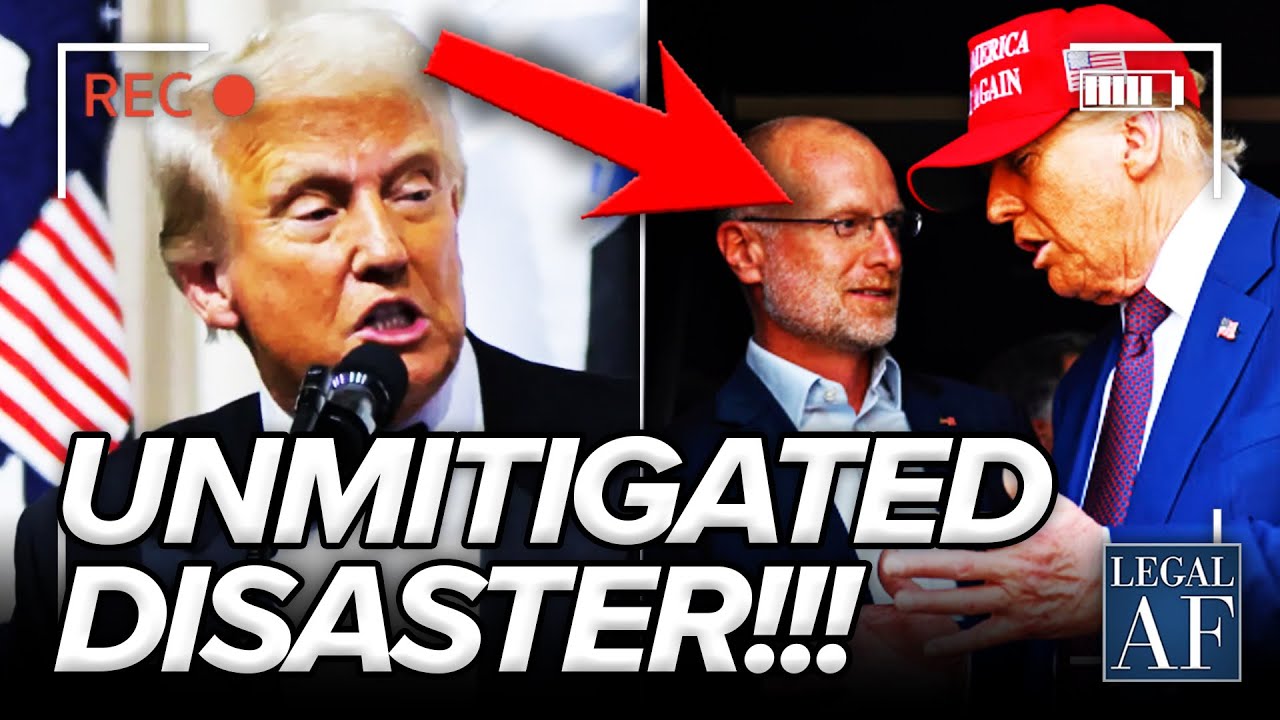
What has amplified this moment is the speed and scale of its online afterlife. Edited clips, stripped of context, have been paired with captions suggesting ethics violations or imminent resignations — claims for which there is, so far, no evidence. No formal ethics investigation has been announced, and Carr remains in his position. The FCC declined to comment beyond pointing to the commissioner’s testimony on the public record.
Inside Washington, however, aides and lobbyists acknowledge that perception matters. Even unsubstantiated narratives can shape how regulators are viewed by lawmakers, courts and the public. “Once something goes viral, it becomes part of the atmosphere,” said a former Senate staffer. “It can influence how aggressively a committee follows up or how cautious an agency becomes.”
The episode also illustrates the precarious balance regulators must strike in an era when nearly every word can be clipped and recirculated. Statements intended for a specialized audience can quickly be reframed for millions of viewers, often with an eye toward outrage rather than nuance. For agencies like the FCC, whose legitimacy depends on appearing evenhanded, that dynamic presents a growing challenge.
Republicans on the committee largely defended Carr, arguing that the hearing exemplified selective scrutiny. They pointed to past instances in which Democratic commissioners expressed strong views without facing similar backlash. “If we’re going to question independence,” one senator said, “we should apply the same standard across the board.”
As the immediate furor subsides, the longer-term implications remain uncertain. Oversight committees may request additional documents or testimony, but such follow-ups are common and do not, by themselves, signal wrongdoing. More consequential may be the way this episode reinforces existing narratives about politicization — narratives that both parties invoke when convenient and dismiss when inconvenient.
For now, the hearing stands as a case study in how modern governance collides with modern media. A procedural moment became a viral spectacle, raising questions that extend beyond one commissioner or one agency. Whether it leads to concrete action or fades into the churn of the news cycle will depend less on the clips already circulating than on what, if anything, emerges to substantiate the claims surrounding them.
In the meantime, the episode serves as a reminder that in Washington, as online, perception can harden into belief long before facts are fully established — and that the line between accountability and amplification has never been thinner.