Michigan’s Warning Sign for Trump
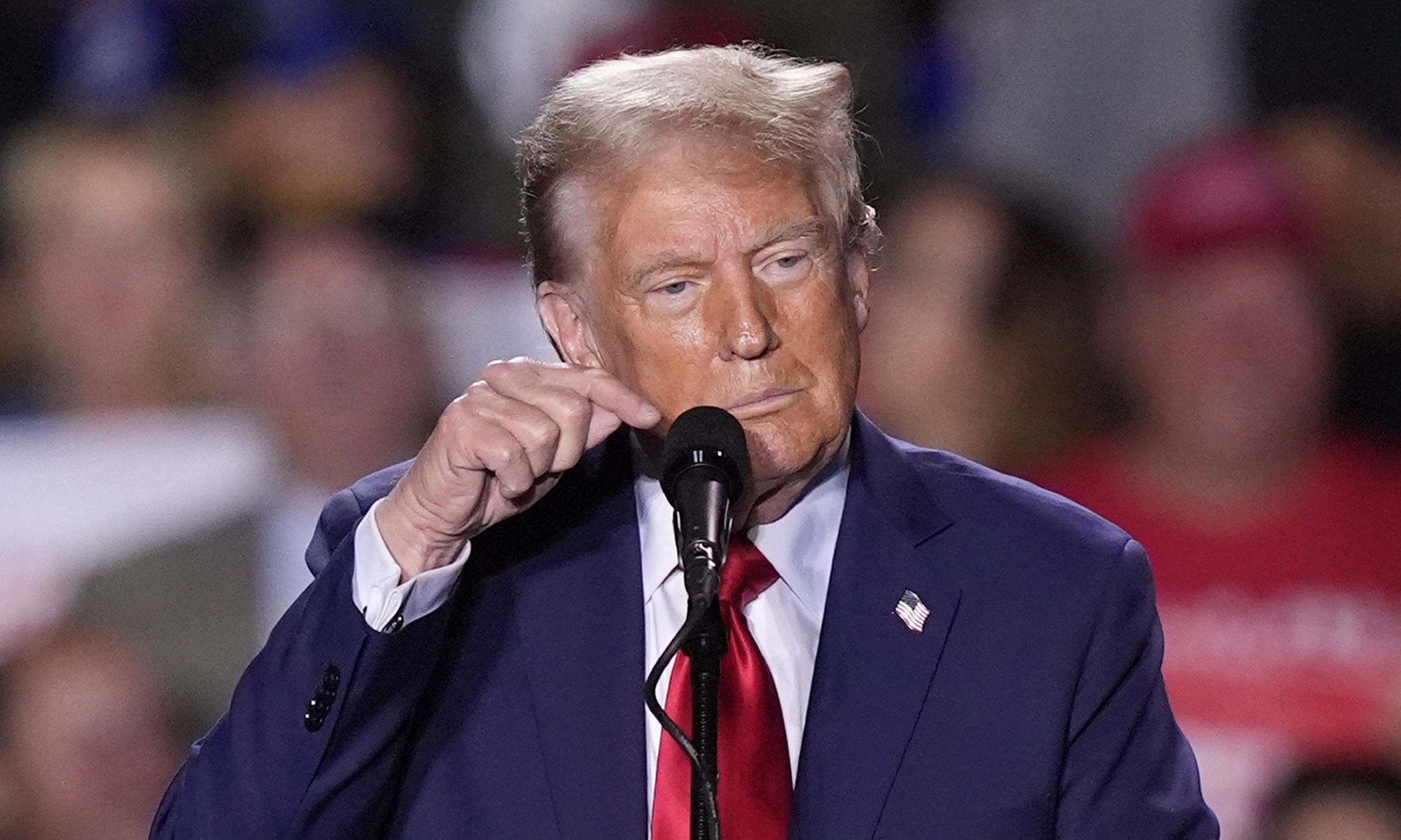
The warning did not arrive with a rally or a dramatic election-night upset. It came quietly, embedded in a poll number that nonetheless landed with force. President Donald Trump’s net approval rating in Michigan, according to a recent YouGov–Economist survey, has slipped further downward, reinforcing a trend that has unsettled even some of his allies. The state he narrowly carried in 2024 is showing signs of strain, frustration, and political fatigue.
Michigan’s discontent is not concentrated in one sector or ideology. It stretches across the state’s economic and social landscape: farmers facing rising costs, manufacturers squeezed by global retaliation, families worried about health care coverage, and communities that rely on cross-border trade with Canada. Taken together, these pressures form a portrait of a state that feels targeted by Washington’s policies and increasingly vocal about the consequences.
For farmers like Robert Reese, a fourth-generation producer in rural Michigan, the economic math no longer works. Fertilizer, machinery, and other essential inputs—many imported—have grown sharply more expensive under tariffs, while crop prices have remained stagnant. “We’ve been below the cost of production for years,” Reese said in testimony echoed by agricultural experts before a state Senate committee. The result is hesitation, not expansion: farmers delaying purchases, cutting back, and bracing for another uncertain season.
Those struggles ripple outward. As production costs rise, food prices follow, burdening consumers already facing inflationary pressure. Food pantry lines in parts of Michigan, local officials say, are longer than at any point since the Great Recession—a statistic that has become a quiet but powerful indicator of economic stress.
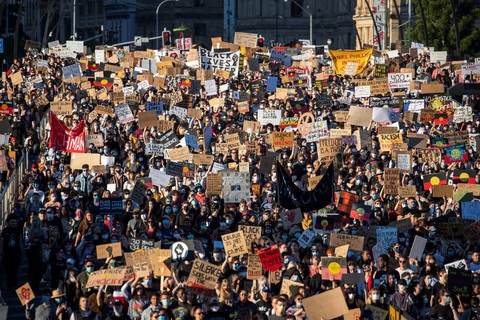
Health care has become another flashpoint. Protests in Lansing, Detroit, and Grand Rapids erupted after federal action threatened Affordable Care Act subsidies that help lower premiums for marketplace plans. Advocacy groups estimate that as many as 175,000 Michigan residents could lose coverage if tax credits expire. For families navigating tight budgets, the prospect has transformed policy debates into personal fears. Nurses and health care workers warn that the loss of coverage could cascade into delayed care and higher long-term costs.
Overlaying these domestic concerns is Michigan’s uniquely close relationship with Canada, a bond shaped by geography, trade, and shared history. Retaliatory measures and hostile rhetoric aimed north of the border have landed uneasily in a state whose economy depends on smooth cross-border commerce. Governor Gretchen Whitmer addressed those tensions directly during a speech in Canada, calling the tone from Washington “unwise” and “unjustified,” while emphasizing that Michigan’s ties to Canada run deeper than any single administration.
Political ramifications are already taking shape. Susanna Shrely, a Democrat running for Michigan Secretary of State, frames the moment as existential—not only for policy outcomes, but for democratic norms themselves. Drawing on her background as a prosecutor and senior official in Whitmer’s administration, Shrely argues that election integrity and public trust are increasingly under threat. She points to Michigan’s experience in 2020, when state officials and law enforcement worked together to block fake electors, as a rehearsal for future challenges.
Her campaign has quickly gained traction, fueled by grassroots fundraising and a message that blends administrative competence with moral urgency. Though the office she seeks is largely procedural, Shrely insists that leadership now requires clarity and resolve. “This isn’t hypothetical,” she has said of authoritarian risks. “We’ve seen how quickly norms can be tested.”
For the White House, Michigan’s mood represents more than a polling dip. It is a reminder that electoral victories do not freeze political sentiment in place. Voters who once supported Trump for economic or cultural reasons are now weighing the cumulative effects of policy decisions on their daily lives. Tariffs, health care changes, and international disputes—abstract in Washington—are tangible in Michigan.
Whether the dissatisfaction hardens into a durable political shift remains uncertain. States are not monoliths, and Michigan has swung before. But the convergence of economic stress, policy backlash, and institutional anxiety suggests that something deeper is underway. For a president who prides himself on loyalty and dominance, Michigan’s growing restlessness may prove to be one of the most consequential signals of the coming political cycle.