🚨 FBI Leadership Under Fire: Allegations of Misused Agents Raise Alarms About Bureau Integrity
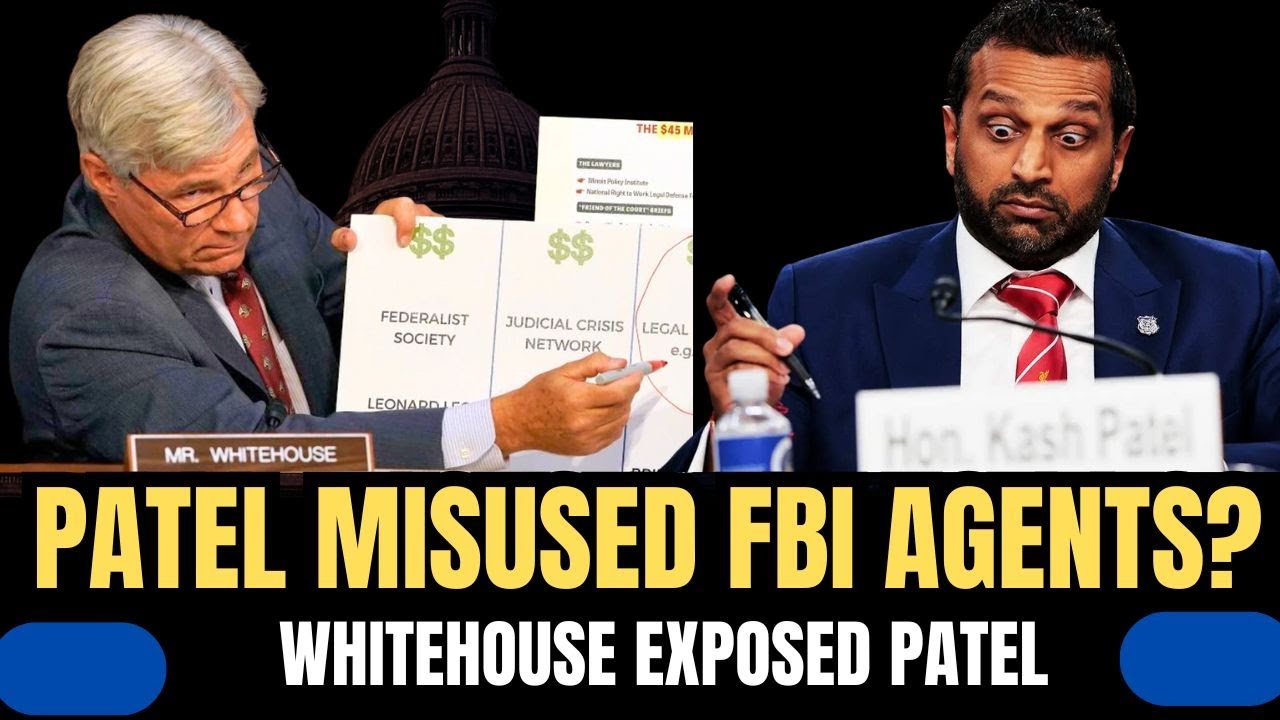
New reporting has sparked serious concern about leadership inside the FBI, after allegations emerged that federal agents may have been diverted from national security duties for personal errands tied to the bureau’s top leadership.
According to multiple sources cited by journalists Kendallian and Carol Leonnig, FBI Director Kash Patel allegedly ordered agents assigned to protect his girlfriend to escort one of her intoxicated friends home following nights out in Nashville. The incidents reportedly occurred more than once.
Sources say Patel’s girlfriend, Alexis Wilkins, asked members of her FBI security detail on at least two occasions to drive her friend home. Agents reportedly objected, warning that it would divert them from their official protective assignment.
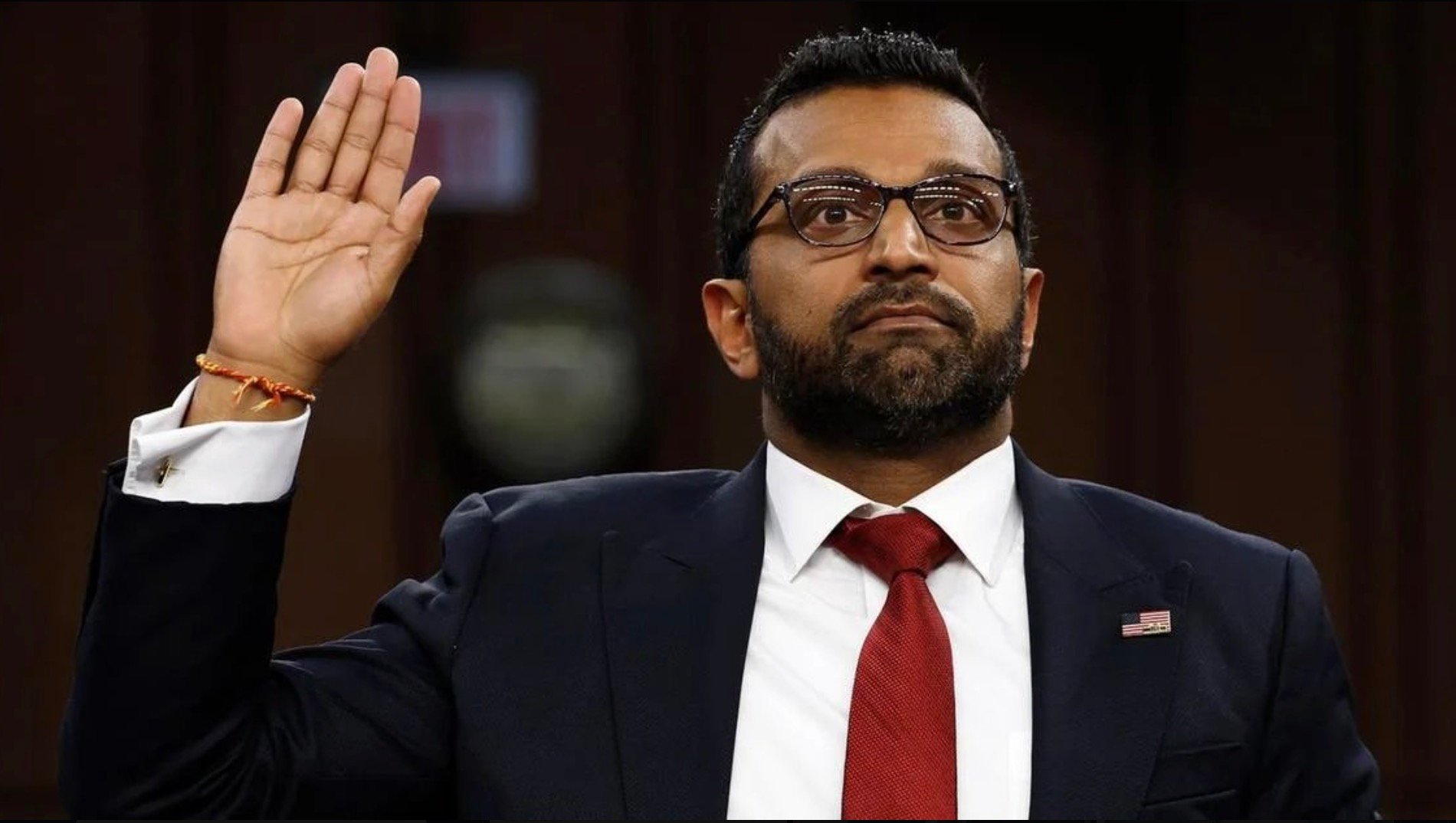
Despite those objections, Patel allegedly insisted the agents comply and, in one instance, called and berated the leader of the security detail. The sources spoke on condition of anonymity because the matters are not public.
An FBI spokesperson strongly denied the allegations, calling the claims “made up” and stating that such events did not occur. Still, the reporting has intensified scrutiny of Patel’s conduct and judgment as FBI director.
Senator Sheldon Whitehouse reacted sharply, calling the allegations a “serious warning sign” about leadership at the bureau. He argued that FBI agents are tasked with counterterrorism and major criminal investigations, not personal favors.
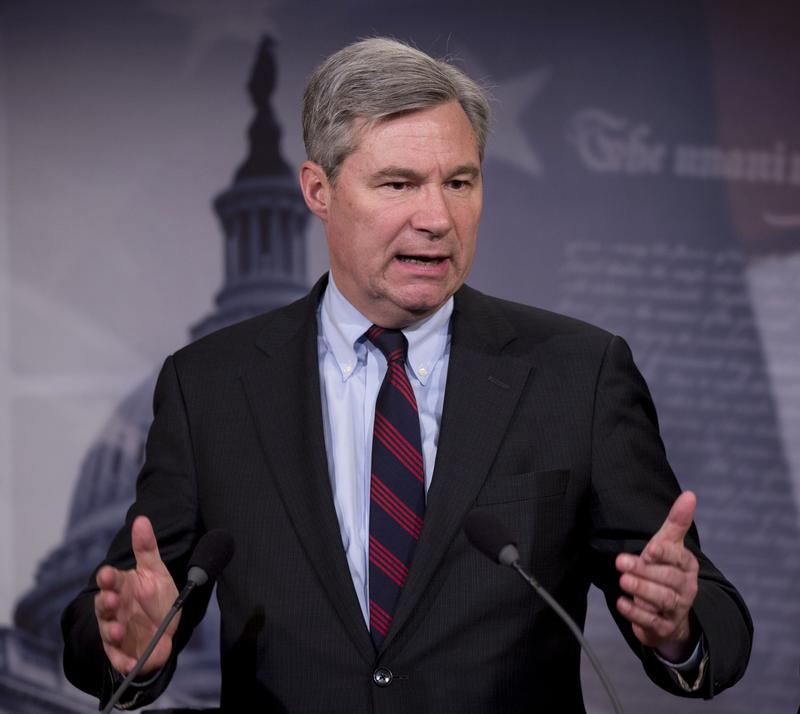
Whitehouse warned that misuse of federal resources reflects a broader pattern of unserious leadership, where high-ranking officials appear more focused on privilege, optics, and personal perks than on public safety and institutional responsibility.
The controversy adds to growing concerns about accountability, ethics, and professionalism across key federal agencies. For critics, the issue is not just one incident, but whether those entrusted with national security are treating their roles as a public duty—or a personal entitlement.