If Lying to Congress Is a Crime, Why Does the Attorney General Get a Pass? A Stunning Double Standard Exposed
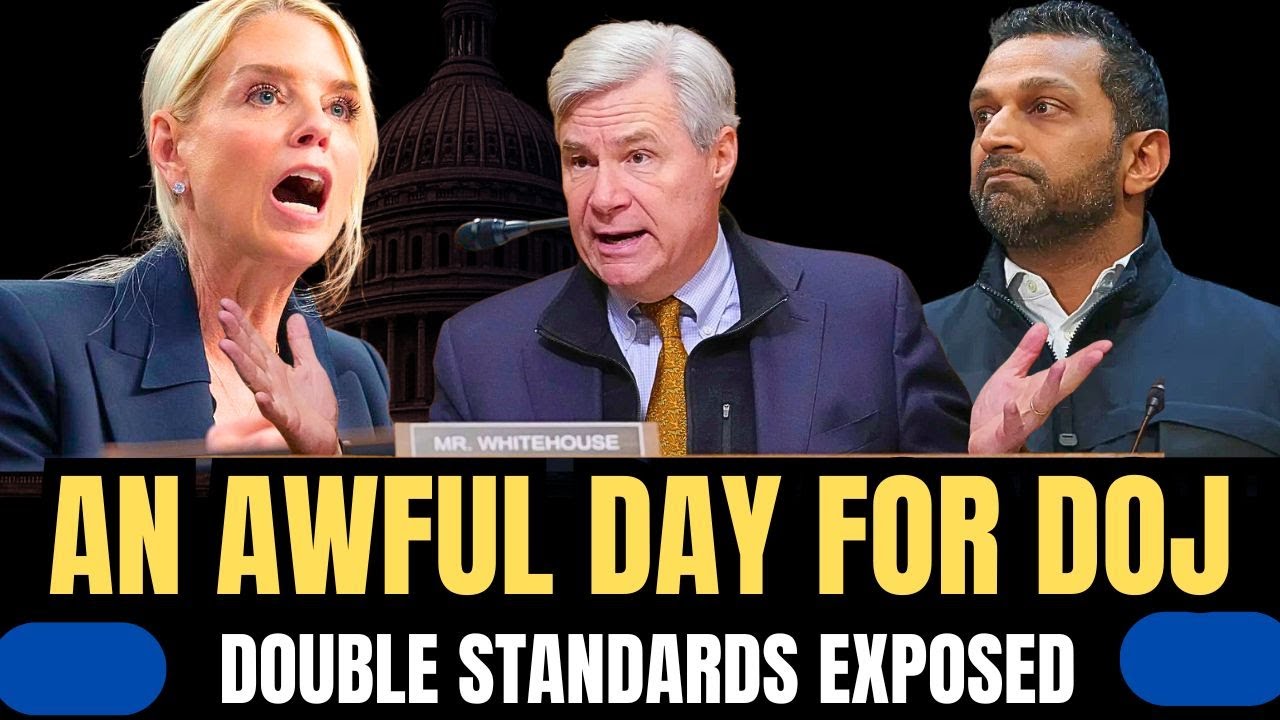
A tense moment in Congress has reignited a fundamental question about accountability at the highest levels of U.S. law enforcement. If making false statements to Congress is illegal, why do some officials face prosecution while others appear untouchable?
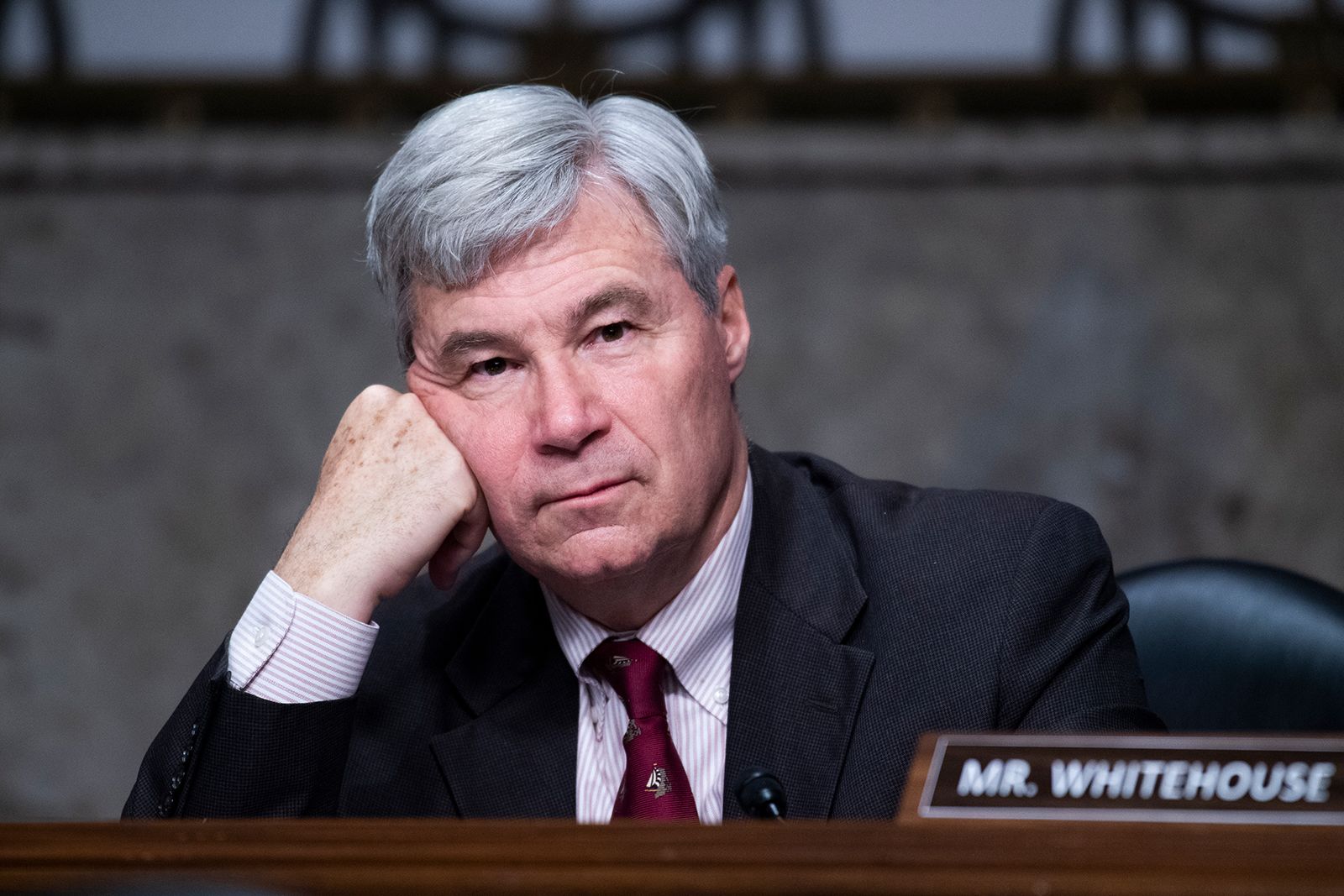
During a heated committee session, a U.S. senator highlighted what he called one of the darkest days in the panel’s history. The concern was not procedural chaos, but a glaring contradiction unfolding in real time before lawmakers and the public.
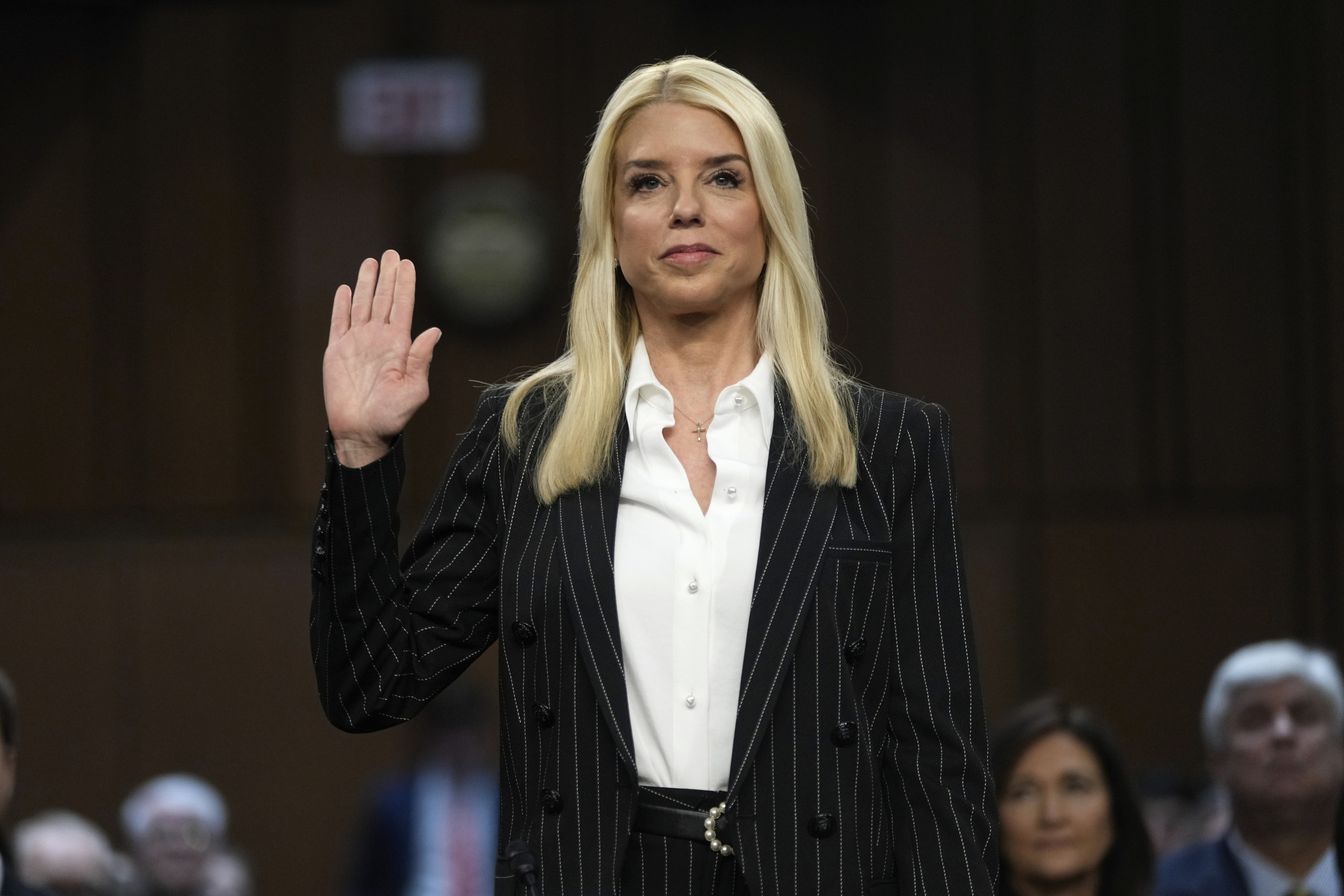
Just one day after the Justice Department arraigned a former FBI director for allegedly lying to Congress, the attorney general herself sat before the same committee and made statements that were demonstrably false. The contrast was immediate, and deeply troubling.
At the center of the controversy were claims about political donations allegedly received by committee members from an Epstein-linked figure. Those accusations, senators noted, were easily verifiable through Federal Election Commission records—and proven false within minutes.
The situation worsened when scrutiny turned to the current FBI director’s testimony in the Mar-a-Lago investigation. He claimed legal restrictions prevented him from discussing his grand jury testimony, citing a sealed record and a court order. Both assertions were later contradicted by the presiding judge.
Despite this, the attorney general declined to correct the record or defend the FBI director’s claims. As a result, multiple false statements to Congress were left unaddressed, raising serious questions about selective enforcement of the law.
Lawmakers argue this pattern mirrors broader concerns within the Justice Department, including accusations of politicized prosecutions and inconsistent standards. When accountability depends on who you are, confidence in the justice system erodes.
The issue goes beyond partisan politics. It strikes at the heart of democratic oversight. If Congress cannot rely on truthful testimony—and if consequences apply unevenly—the rule of law itself is at risk. For the public, the message is clear: transparency and equal accountability are not optional, they are essential.