Congress Sounds the Alarm as Trump Faces Bipartisan Revolt Over Venezuela Military Escalation
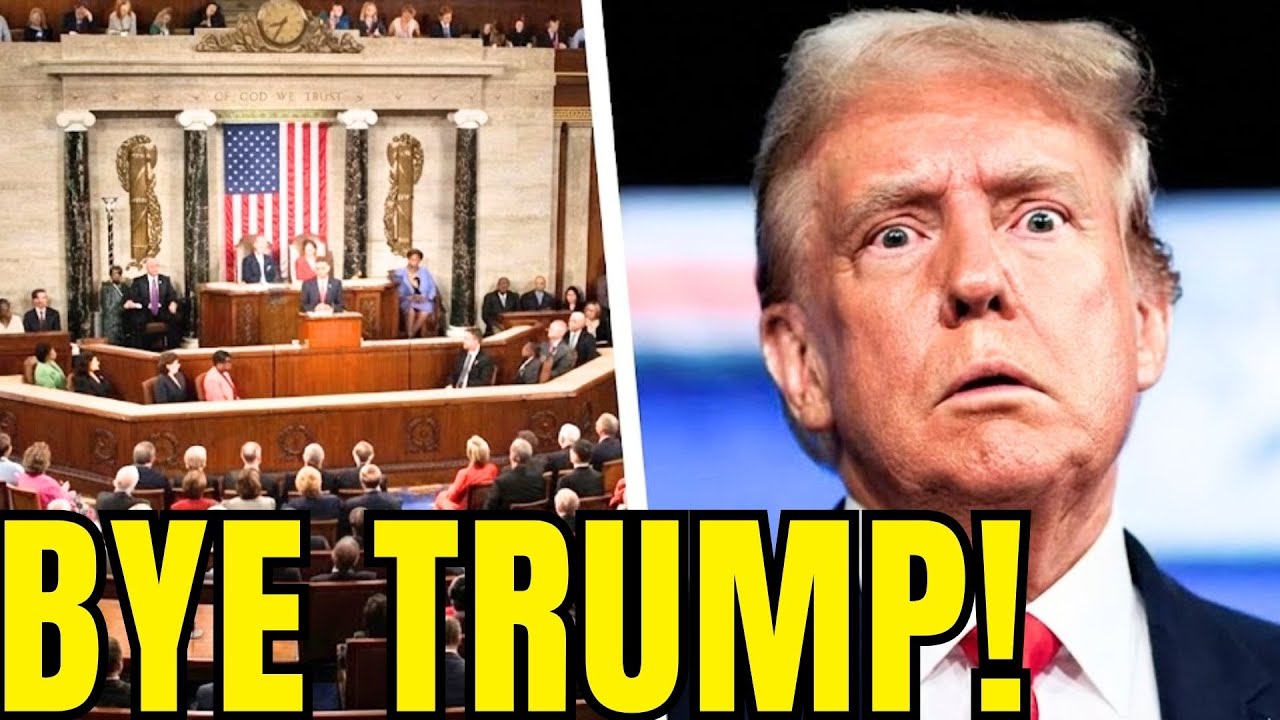
Washington is bracing for a major constitutional clash as lawmakers from both parties push back against what they describe as an alarming escalation by President Donald Trump toward military conflict with Venezuela. Concerns have intensified following reports of strikes, tanker seizures, and rhetoric suggesting regime change, all without clear congressional authorization.
Senior lawmakers say the Defense Department under Secretary Pete Hegseth is operating in chaos, with key leaders fired, inspectors general removed, and transparency evaporating. Critics argue the Pentagon is distracted by political loyalty tests while global flashpoints—from China and Taiwan to Africa and Eastern Europe—demand steady leadership.

The controversy deepened after senators revealed they learned of a supposed “command investigation” not through official channels, but via social media and partisan figures embedded in Pentagon press operations. Several lawmakers said they have received no formal notice from the Department of Defense or the Navy, raising doubts about whether any serious investigation is actually underway.
At the center of the storm is growing unease over U.S. military actions against alleged narco-terror targets linked to Venezuela. Members of Congress who have viewed initial strike footage describe it as “deeply disturbing,” warning that the operations resemble law enforcement missions, not acts of war, and may violate both domestic and international law.

This unease has now turned into legislative action. A bipartisan coalition in the House—including Democrats and staunch conservatives—has introduced a War Powers Resolution aimed at blocking any military action against Venezuela without explicit congressional approval. Supporters say the measure reflects widespread fear that the administration is sleepwalking the country into another Iraq-style conflict.
Lawmakers drawing parallels to past wars warn that claims of an “easy” or “quick” intervention are dangerously familiar. They argue that war games conducted by the U.S. military show no positive outcomes from regime change in Venezuela, instead predicting regional instability, massive costs, and long-term entanglement.

Questions are also swirling around the administration’s true motives. Critics dismiss claims that the operations are about drugs or human rights, pointing out that fentanyl primarily enters through land borders, not maritime routes to Europe and Africa. Many suspect oil interests and financial incentives are driving policy, noting that human rights language has vanished from recent national security reports.
As hearings loom and pressure mounts, Congress is signaling it may finally reassert its constitutional authority over war. Lawmakers from both parties say the stakes are enormous—not just for Venezuela, but for the balance of power in Washington and the principle that no president can unilaterally drag the United States into war.