Washington — Senator Bernie Sanders delivered a stark warning this week about the future of health care in the United States, arguing that renewed efforts by former President Donald J. Trump and his allies to roll back the Affordable Care Act could leave millions of Americans without coverage and strain an already fragile system.
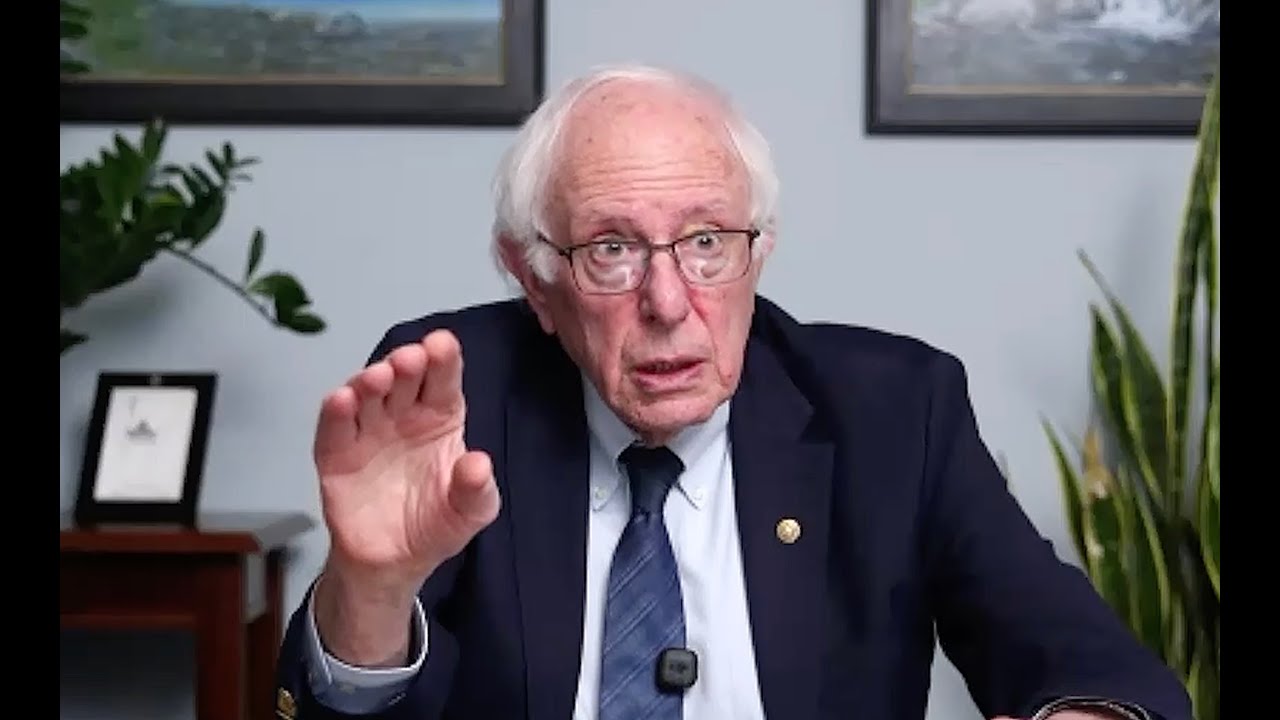
Speaking at a Senate forum on health policy, Mr. Sanders, the independent from Vermont who chairs the Senate Health, Education, Labor and Pensions Committee, said the debate over the Affordable Care Act — often called Obamacare — was no longer theoretical.
“This is not about ideology,” he said. “This is about whether working families can see a doctor without going bankrupt.”
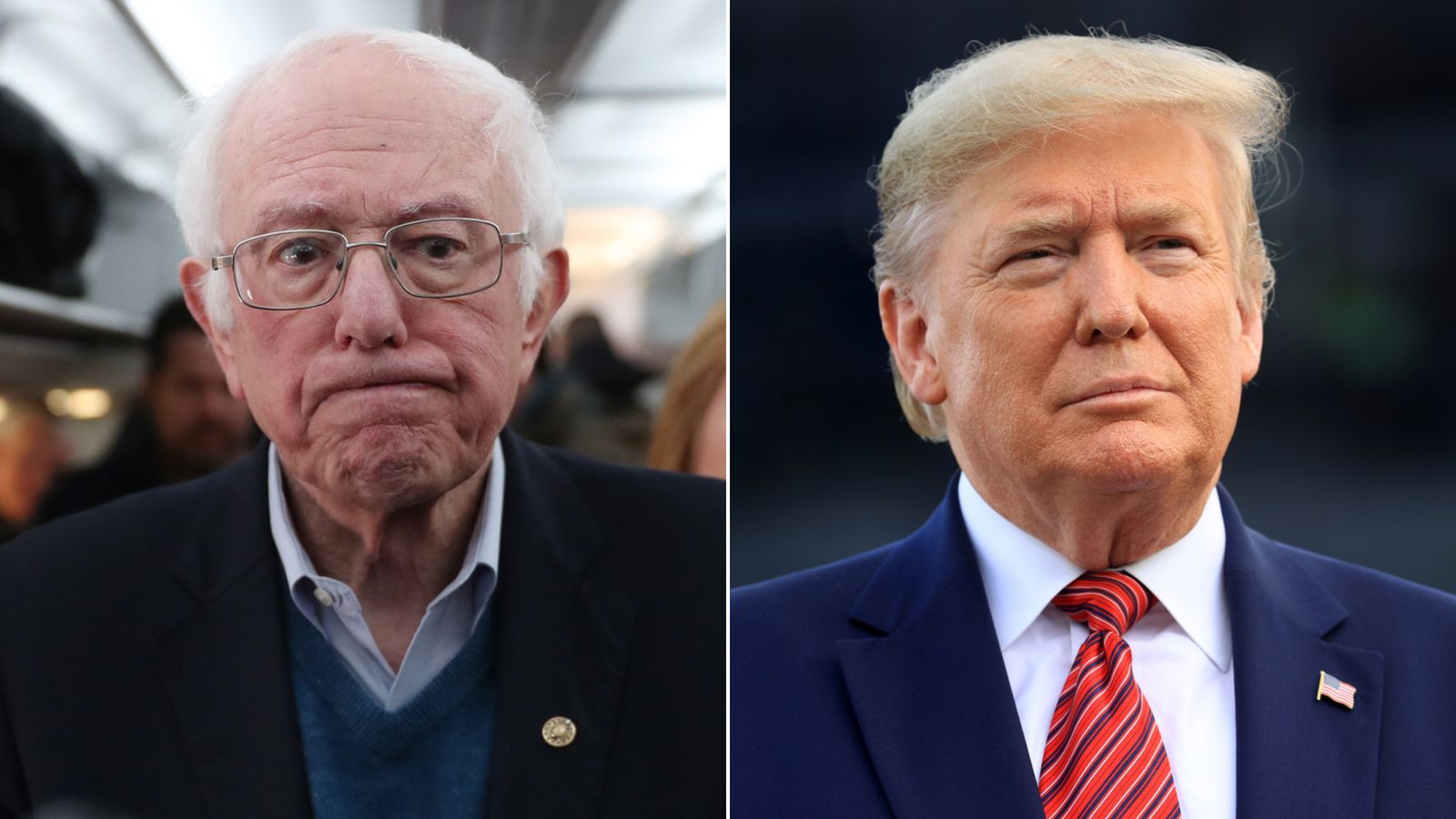
His remarks came as Mr. Trump has again criticized the Affordable Care Act on the campaign trail, describing it as costly and ineffective and signaling openness to repealing or significantly altering it if he returns to office.
The Stakes of Another Health Care Fight
The Affordable Care Act, enacted in 2010, expanded insurance coverage through Medicaid expansion, subsidies for private plans and consumer protections such as bans on denying coverage for pre-existing conditions. While controversial at its inception, it has since become deeply embedded in the health care system.
According to government data, tens of millions of Americans now rely on coverage tied directly or indirectly to the law.
Mr. Sanders and other Democrats argue that undoing those provisions would reverse more than a decade of gains. They point to previous repeal efforts during Mr. Trump’s presidency, which came within one Senate vote of succeeding in 2017.
“People forget how close it came,” said Senator Patty Murray, Democrat of Washington. “That should worry anyone who depends on this law.”
Trump’s Position — Clear Criticism, Fewer Details
Mr. Trump has repeatedly attacked the Affordable Care Act, but has offered limited specifics about what would replace it. During his first term, his administration supported lawsuits seeking to invalidate the law and backed legislation that would have repealed key components without a comprehensive alternative.
In recent remarks, he has said health care should be “cheaper and better,” while criticizing rising premiums and deductibles. His campaign has not released a detailed health care plan.
Republicans argue that the law has driven up costs and reduced choice, particularly in rural areas. They say reforms are needed to increase competition and reduce federal spending.
Sanders Frames the Issue as Moral and Economic
Mr. Sanders has long argued that health care is a human right, and he used the moment to reiterate his broader push for a single-payer system. While Medicare for All lacks the votes to pass Congress, he said defending existing coverage was an immediate priority.
“Whatever you think about broader reform,” he said, “taking health care away from people is unacceptable.”
Health policy experts note that while the Affordable Care Act has expanded coverage, gaps remain, especially in states that declined to expand Medicaid. Those states, many of them Republican-led, could see disproportionate effects from further rollbacks.
Millions at Risk — But Numbers Are Contested
Democrats warn that millions could lose coverage if subsidies, Medicaid expansion or insurance protections are weakened. Republicans counter that such projections rely on assumptions and that alternative policies could mitigate losses.
“There’s no question coverage would change,” said Larry Levitt, executive vice president of KFF, a health policy research group. “The question is how many people would be affected and how quickly.”
A Familiar Political Battle Returns
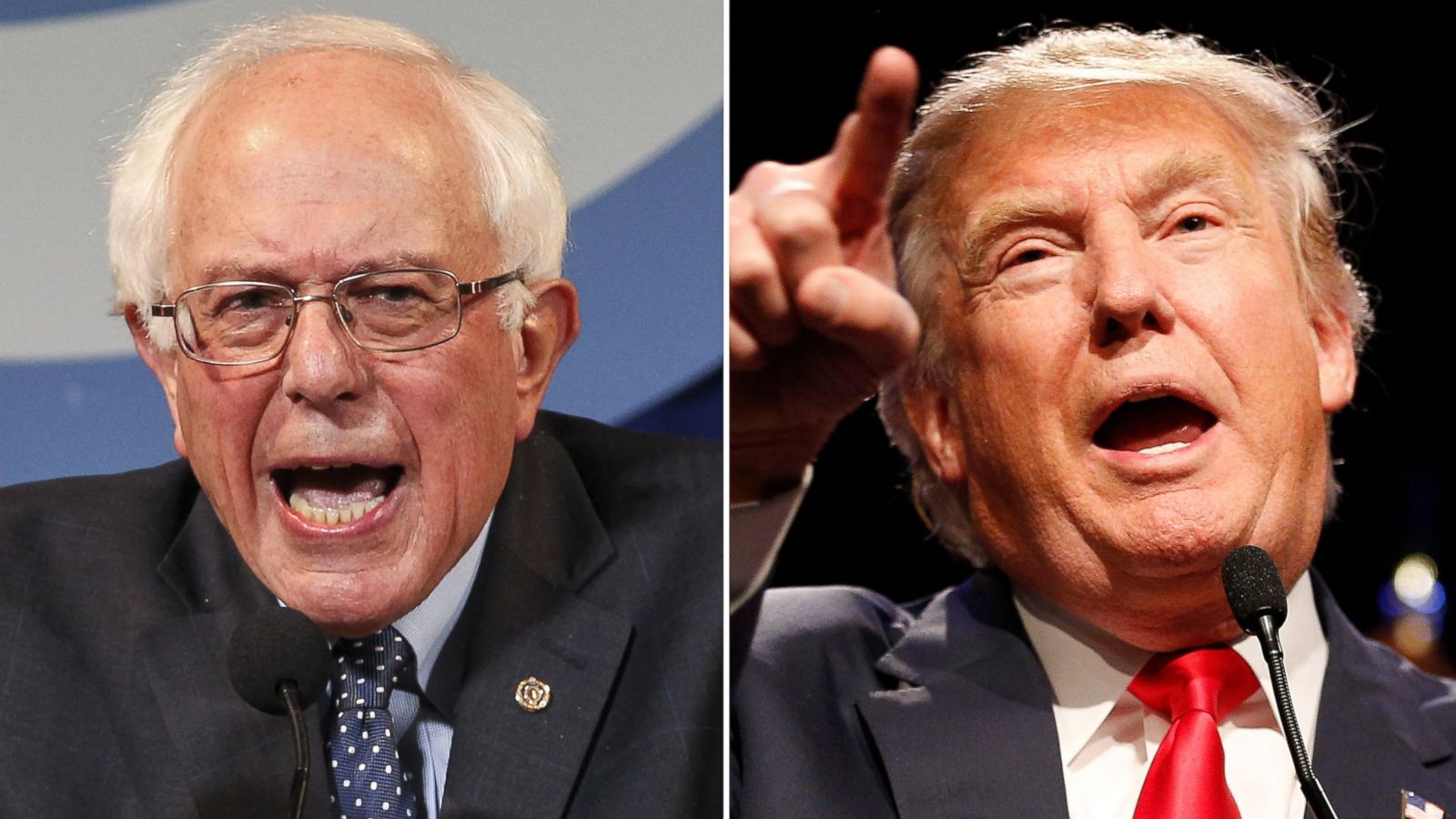
Health care has repeatedly emerged as a decisive issue in American elections, from the passage of the Affordable Care Act to the failed repeal effort and subsequent expansions of subsidies.
What is different now, analysts say, is that the law has had time to entrench itself.
“Undoing it would be more disruptive than ever,” said Levitt. “People have organized their lives around it.”
Public Opinion and Political Risk
Polling suggests that while Americans have mixed views of the Affordable Care Act, major provisions — especially protections for pre-existing conditions — are broadly popular. That has made full repeal politically risky.
Even some Republicans have grown cautious, focusing instead on incremental changes rather than outright elimination.
What Comes Next
For now, no legislation is pending that would repeal the Affordable Care Act. But the renewed rhetoric has sharpened the lines of debate, signaling that health care will once again be a defining issue in national politics.
Mr. Sanders said Democrats must make the stakes clear.
“If people lose their coverage,” he said, “it won’t be an accident. It will be a choice.”
As Congress prepares for another contentious year, the warning from Mr. Sanders underscores a familiar reality in Washington: health care, once again, is not settled — and millions of Americans are watching closely to see what happens next.