Rowan Atkinson Health Hoax Debunked: The Truth Behind the Viral Claim
Thirty minutes ago, a shocking headline spread like wildfire across social media: “SAD NEWS: Mr. Bean comedy king Rowan Atkinson, his wife sadly announced that, at the age of 70, he was battling a terrible disease.” The news, accompanied by images of a frail, bedridden man purported to be Rowan Atkinson, sent fans into a frenzy of concern. The beloved comedian, known for his iconic roles as Mr. Bean and Johnny English, has long been a global symbol of joy and laughter. The thought of him suffering from a devastating illness struck a chord with millions. However, as the dust settles, a closer look reveals a troubling pattern of misinformation, one that has targeted Atkinson before and underscores the dangers of unchecked rumors in the digital age.
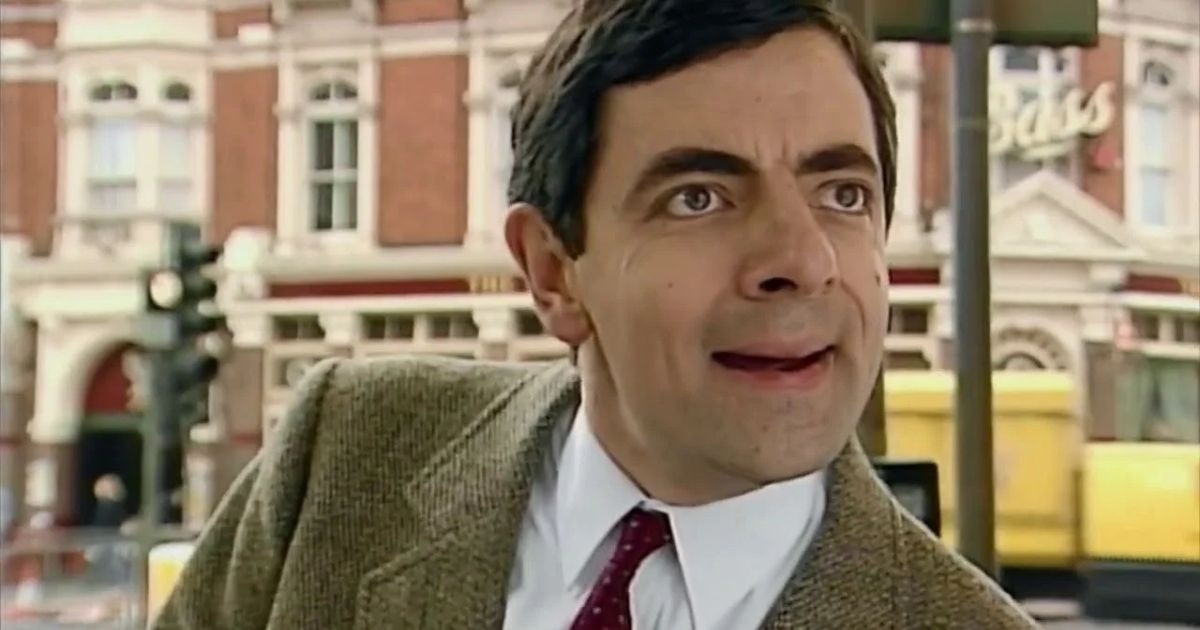
Rowan Atkinson, now 70, has built a legacy on his unique brand of physical comedy and sharp wit. From the silent, bumbling Mr. Bean to the suave yet hapless Johnny English, his characters have transcended cultural boundaries, earning him a place in the hearts of audiences worldwide. His ability to convey humor with minimal dialogue, often relying on expressive gestures and impeccable timing, has made him a legend in comedy. Yet, this same fame has made him a frequent target of hoaxes, with the latest claim about his health stirring widespread panic.
The viral post, which claimed Atkinson’s wife had announced his battle with a “terrible disease,” was amplified by images comparing a healthy Atkinson from the 1990s to a supposed recent photo of him in a hospital bed. The contrast was jarring, and fans expressed heartbreak, flooding social media with messages of support. But something about the story felt off. The lack of credible sources, the vague phrasing, and the sensational tone raised red flags. Fact-checking teams, including Fact Crescendo, quickly stepped in to investigate, and their findings debunked the claim entirely.
The image at the center of the hoax was not of Rowan Atkinson but of Barry Balderstone, an elderly man featured in a 2020 article by The Mirror. The article detailed Balderstone’s tragic death after being denied adequate medical care, and the accompanying photo showed him in a frail state. This image had been digitally altered to resemble Atkinson, a tactic that fueled the rumor’s virality. A reverse image search confirmed the photo’s origins, and no credible news outlet reported Atkinson suffering from any serious illness. In fact, Atkinson was spotted in good health as recently as July 2024 at a Formula One event, engaging in interviews and appearing in high spirits.
This is not the first time Atkinson has been the victim of such hoaxes. In 2012, 2016, 2017, and 2018, false reports of his death circulated online, each time exploiting his popularity for clicks and engagement. The pattern is clear: Atkinson’s global fame makes him an easy target for sensationalist content creators. As one fact-checking source noted, “It was believed that Atkinson’s popularity was one of the factors why he was always being targeted by death hoaxes, as news about his passing always got large impressions from his fans on social media.”
The claim about Atkinson’s health also referenced his wife, but no official statement from Atkinson’s family or representatives has ever corroborated such an announcement. Atkinson, a private individual despite his fame, has historically avoided the spotlight outside his work. His known health struggle—a stammer that affects his speech, particularly with words starting with “B” followed by a vowel—has been openly discussed by the actor himself. In a 2007 interview with Time magazine, he explained how acting allows him to overcome this challenge, saying, “I find when I play a character other than myself, the stammering disappears.” This condition, while impactful, is not a “terrible disease” and has not hindered his career or public appearances.

The spread of this hoax highlights a broader issue: the ease with which misinformation can proliferate online. Social media platforms like Facebook and TikTok, where the fake images gained traction, are fertile ground for such rumors. Fans, driven by genuine concern, share these posts without verifying their authenticity, amplifying the falsehoods. The emotional weight of seeing a beloved figure like Atkinson supposedly suffering makes these stories particularly potent, but it also underscores the need for critical thinking and media literacy.
Atkinson’s recent activities further disprove the claims. In June 2024, production began on Johnny English 4, with filming taking place in Malta and the UK. A bedridden actor would hardly be starring in a major motion picture. Additionally, Atkinson was photographed in May 2024 at a memorial service at Westminster Abbey, looking healthy and engaged. These public appearances, combined with the lack of any official statement about illness, paint a clear picture: Rowan Atkinson is alive, well, and active.
The emotional toll of such hoaxes cannot be understated. For fans, the fear of losing a cultural icon like Atkinson is deeply upsetting. For the actor himself, these rumors invade his privacy and force his team to address baseless claims. The incident also raises questions about the ethics of content creation in the digital era. Sensational headlines and doctored images may generate clicks, but they erode trust and exploit the goodwill of fans.
As the world continues to cherish Rowan Atkinson’s contributions to comedy, it’s crucial to approach such news with skepticism. The next time a headline screams of tragedy, a quick check of reputable sources can make all the difference. Atkinson’s legacy—built on laughter, resilience, and creativity—deserves to be celebrated, not overshadowed by falsehoods. For now, the “King of Comedy” remains a vibrant figure, and fans can rest assured that he is not battling any terrible disease.