WASHINGTON, D.C. — Explosive posts surged overnight claiming that Donald Trump sparked a crisis at the John F. Kennedy Center for the Performing Arts by pushing to rename the venue—triggering artist boycotts, protests, and even “shutdown threats.” The story spread fast, fueled by dramatic captions and short clips. But a closer look at the public record shows a wide gap between viral framing and verifiable facts.
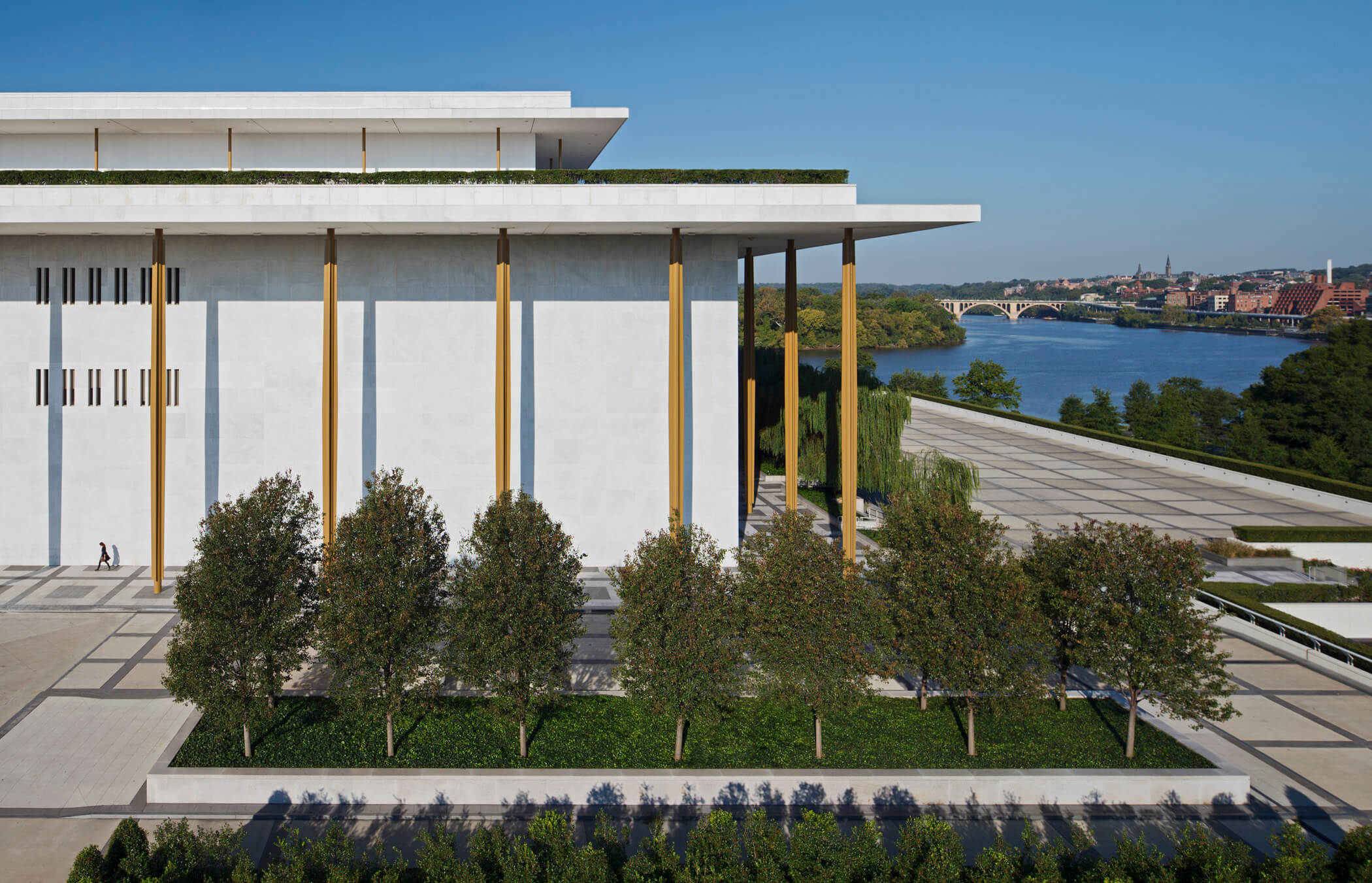
First principles: who can rename the Kennedy Center?
The Kennedy Center is a congressionally chartered institution. Its name—honoring President John F. Kennedy—is set in federal statute. Any official renaming would require an act of Congress, not a unilateral executive action, a board vote, or signage changes. There is no record of legislation introduced or passed to rename the Center to “Trump-Kennedy,” nor any formal rulemaking to that effect.
What’s actually been confirmed
-
No official renaming has occurred.
-
No closure order has been issued by the Center.
-
No congressional action authorizing a name change has been filed.
-
No verified artist boycott list tied to an official renaming exists.
Spokespeople for the Center have not announced cancellations attributable to a renaming, and the venue’s publicly posted calendar remains active.

How the viral narrative formed
The posts that ignited the firestorm rely on three common accelerants:
-
Symbolic edits: Photos or videos of temporary signage, mock-ups, or satirical graphics circulated as if they were official installations.
-
Conflation: Routine criticism or protest—common in cultural politics—was reframed as operational collapse.
-
Urgency cues: Claims that events were being “shut down” or “about to be canceled” prompted rapid sharing before verification.
Media analysts note that arts institutions are particularly vulnerable to this framing because protests and statements by artists can be mistaken for institutional action.
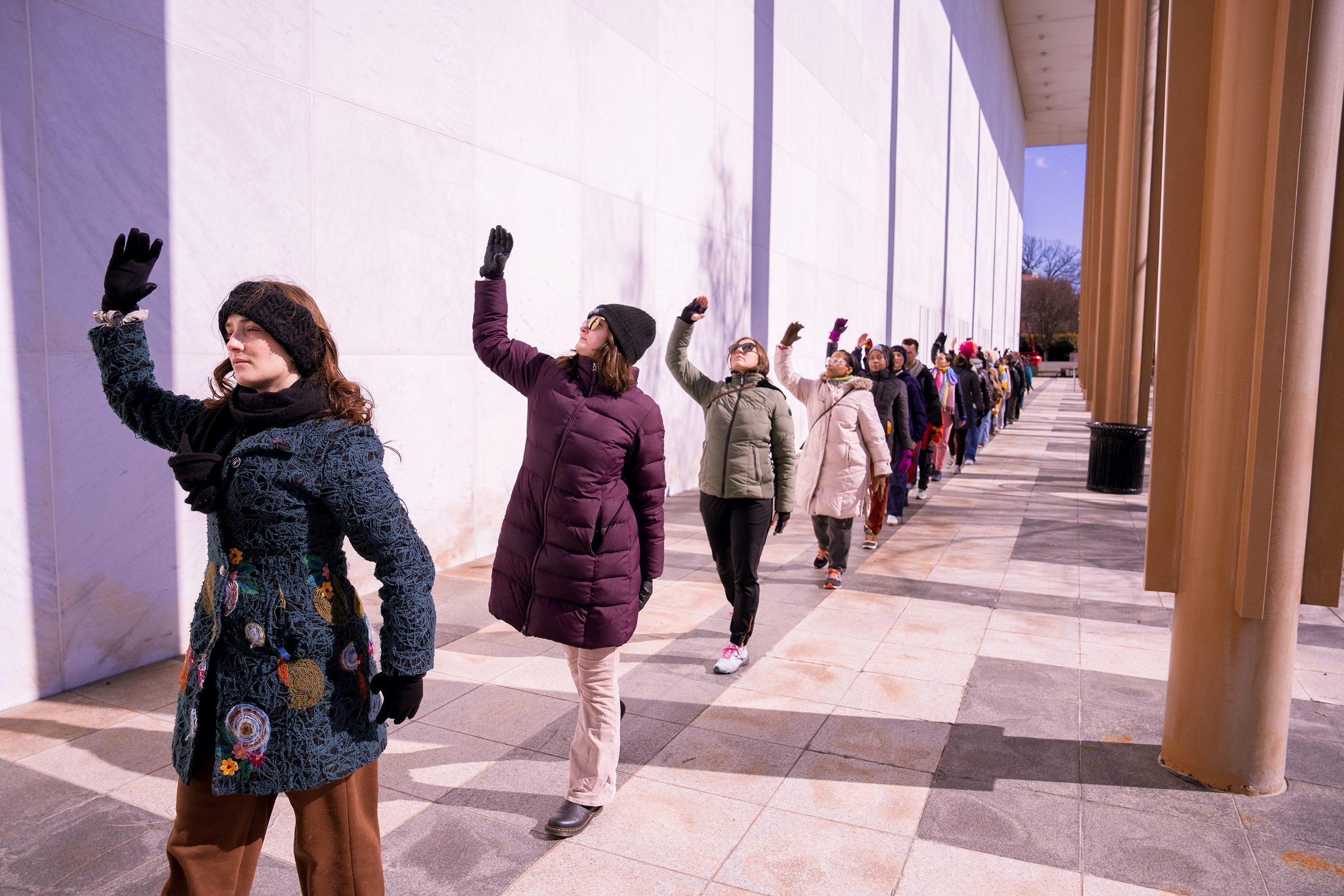
Artists, protest, and free expression
It’s not unusual for artists or patrons to voice opposition to political ideas they see as politicizing cultural spaces. Individual objections, however, do not equal an institution-wide boycott. Historically, the Kennedy Center has hosted events across administrations amid criticism from different quarters—without closures.
Calls for boycotts can pressure boards and sponsors, but pressure is not shutdown. To date, there’s no evidence of a mass withdrawal sufficient to halt operations.
The board question
The Center’s board includes appointees from multiple administrations, alongside members by statute. Board appointments do not confer authority to rename the institution outside congressional approval. Claims that handpicked board members could effect an overnight name change misstate governance.
Why this story resonated anyway
Cultural institutions sit at the crossroads of identity, memory, and power. Any perceived attempt to rename a landmark tied to the Kennedy legacy triggers strong reactions—especially online, where symbolism travels faster than statutes. Pair that with polarization and algorithmic incentives, and a procedural impossibility can look like a fait accompli.
What would actually change the name?
Only one path:
-
A bill introduced in Congress.
-
Passage by both chambers.
-
Signature into law.
Absent those steps, any “renaming” remains hypothetical or symbolic.
Bottom line
The Kennedy Center did not shut down. There is no lawful renaming underway. The viral story compresses protest, speculation, and satire into a dramatic but inaccurate claim. Readers should separate expression from execution—and remember that in Washington, names on monuments change by statute, not by splashy posts.
As debates about culture and politics continue, scrutiny is healthy. But accuracy matters more. Before sharing claims of closures or renamings, check the docket—not the captions.