🔥 Transparency on Trial: Eric Swalwell Grills FBI Director Over Epstein Files and Accountability
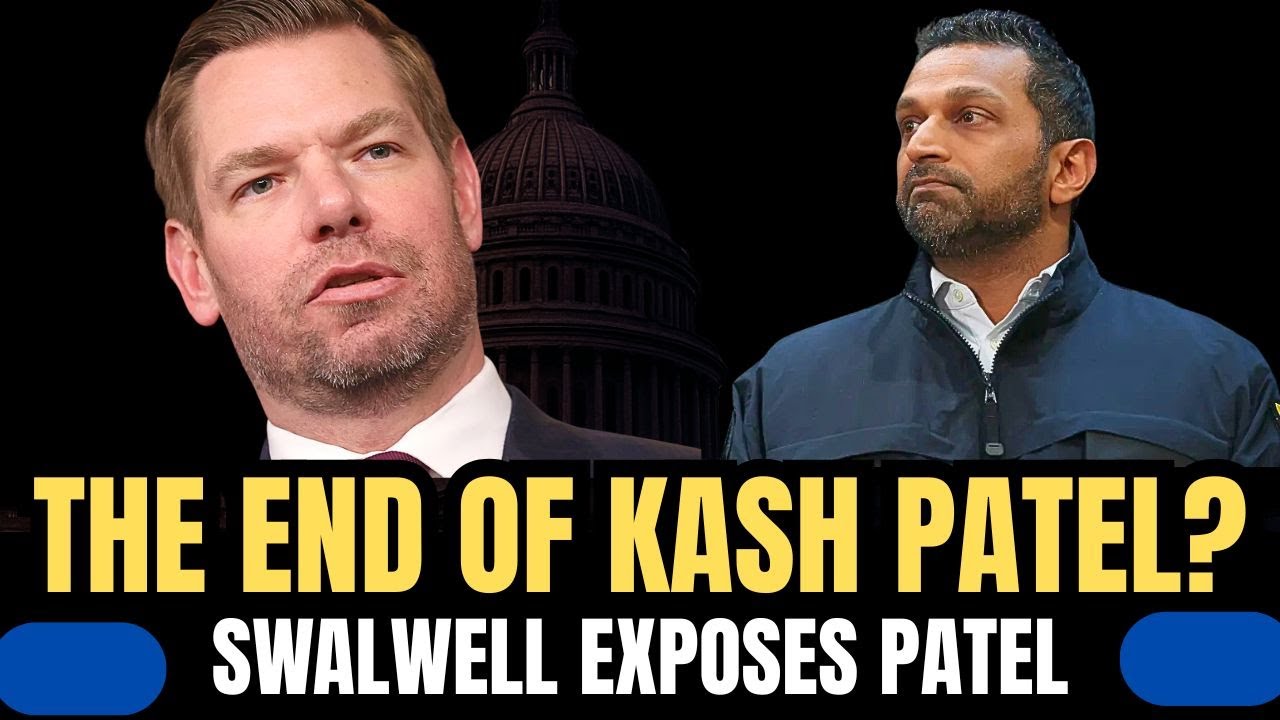
A fiery exchange on Capitol Hill reignited national debate over transparency, accountability, and trust in federal institutions, as Representative Eric Swalwell sharply questioned the FBI director about his handling of the Epstein files and the limits of disclosure involving powerful figures.
The confrontation centered on a simple but explosive issue: whether the FBI director had personally reviewed the full Epstein case files and whether he knew how often Donald Trump’s name appeared in them. The director’s admission that he had not reviewed the entire file immediately set off alarms about leadership responsibility in the largest sex-trafficking case the bureau has ever handled.
Swalwell pressed harder, arguing that transparency cannot be selective. If the FBI promises openness, he said, it must be able to answer basic factual questions or clearly explain why it legally cannot. Repeated claims of legal constraints and ongoing reviews, without concrete details, only deepen public skepticism.

As the exchange escalated, the director accused Swalwell of engaging in political innuendo and dismissed the line of questioning as a distraction from public safety priorities. That response further fueled criticism, with Swalwell countering that oversight exists precisely to prevent powerful institutions from avoiding scrutiny through broad rhetoric.
The hearing underscored a deeper frustration shared by Americans across the political spectrum. The Epstein case represents a nexus of wealth, influence, and institutional failure, and unresolved questions continue to erode confidence in the justice system. Viewers were not demanding speculation, but clarity about what information exists, who controls its release, and under what standards.
Tensions peaked when Swalwell asked whether the FBI director had informed the attorney general that Trump’s name appeared in the files. Despite repeated yes-or-no demands, the director declined to give a direct answer, a moment Swalwell described as evasive and deeply concerning for democratic accountability.
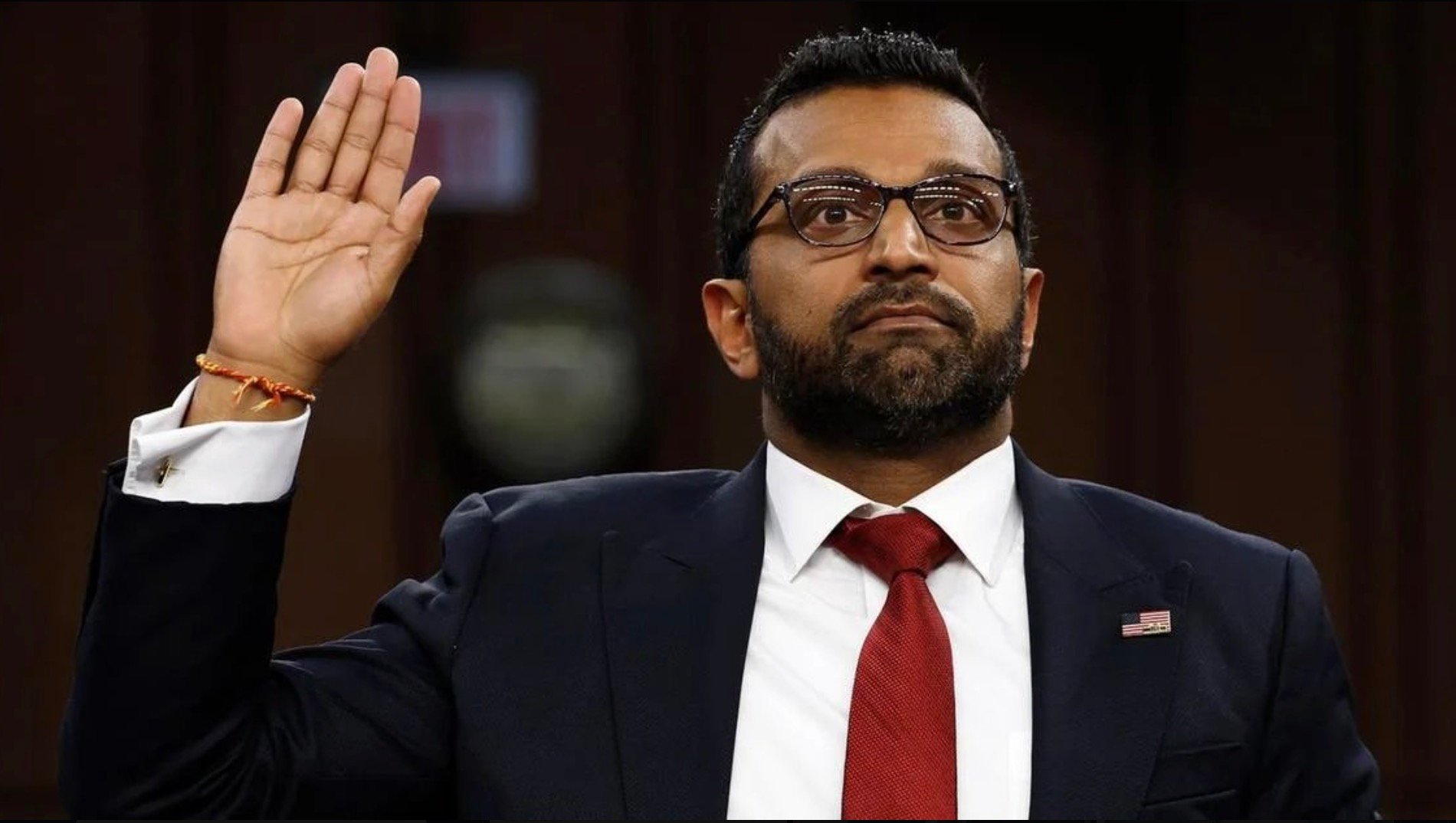
The clash took another turn when Swalwell raised concerns about conflicts of interest, citing the director’s book Government Gangsters, which labeled lawmakers as targets of investigation. Swalwell asked whether the director would recuse himself from decisions involving those individuals, highlighting fears that personal bias could undermine impartial justice.
Beyond the heated rhetoric, the exchange revealed a central truth about governance: transparency is not anti-law enforcement, it is pro-democracy. Institutions that explain their limits earn trust; those that evade simple questions invite suspicion. As this hearing made clear, accountability is not an attack on authority—it is the foundation that keeps it legitimate.