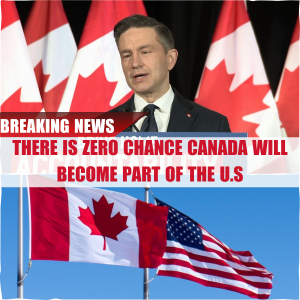
LONDON — Conservative Party Leader Pierre Poilievre called for a renewed and expanded partnership between Canada, the United Kingdom, Australia, and New Zealand during a keynote address in London on March 3, 2026, framing the initiative as a strategic response to evolving global trade conditions.
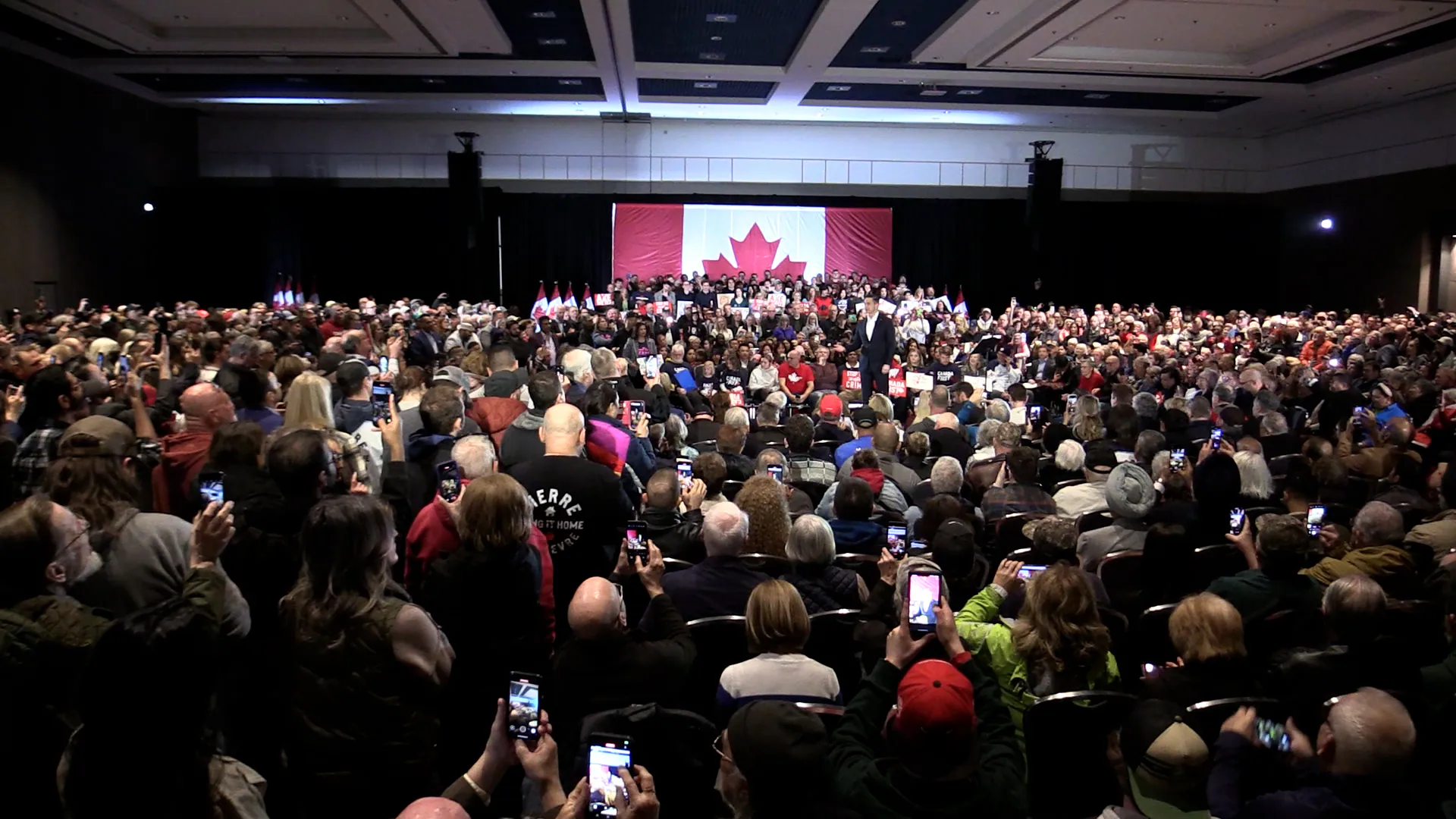
Delivering the annual Margaret Thatcher Lecture at the Centre for Policy Studies, a prominent centre-right think tank, Poilievre presented the proposal as a “modern CANZUK” — an updated version of the longstanding concept of closer cooperation among the four English-speaking Commonwealth nations. The speech formed part of his first official international trip as Opposition leader, which included engagements with British Conservative figures and a reception hosted by CANZUK International the previous evening.
Poilievre argued that periods of uncertainty in international trade agreements require a renewed focus on relationships with “old and most trusted friends.” He stated that rather than retreating behind protective measures, nations should seek to broaden economic opportunities among reliable partners. “When the treaties and agreements that allow us to trade freely face upheaval, we need to double down and deepen our ties with our oldest and most trusted friends,” he said. “Instead of shrinking markets behind tariffs, we should expand opportunities among friends. That is why I believe the time has come for a partnership between Canada, the United Kingdom, Australia and New Zealand. A modern CANZUK.”
The proposal envisions a pact that builds on existing bilateral and multilateral trade arrangements by addressing non-tariff barriers and regulatory differences. Key elements include further opening economies, removing obstacles to cross-border activity, recognizing professional credentials across jurisdictions, expanding pathways for skilled labour mobility, and strengthening integration in capital markets. Poilievre suggested practical steps such as mutual acceptance of safety approvals for products and pharmaceuticals already cleared in one member country, which could streamline approvals elsewhere — for instance, accepting that a drug or automotive component deemed safe in one capital should meet equivalent standards in another.
The initiative reflects a broader theme in Poilievre’s remarks: the value of free trade among nations that share democratic values and security interests. He positioned the partnership as a means to enhance economic resilience and affordability domestically while fostering greater leverage in dealings with other global players. Analysts note that the four countries already maintain strong bilateral trade links, including through agreements like the Comprehensive and Progressive Agreement for Trans-Pacific Partnership (CPTPP), which includes Australia, Canada, and New Zealand, as well as the Canada-United Kingdom Trade Continuity Agreement post-Brexit. A “modern CANZUK” would aim to go beyond these frameworks by harmonizing regulations and professional standards in targeted areas.

The speech drew attention from advocacy groups long supportive of CANZUK principles, with CANZUK International describing Poilievre’s endorsement as a significant step toward mainstreaming the idea. The concept, which gained prominence in the years following the United Kingdom’s departure from the European Union, has periodically surfaced in policy discussions in all four capitals but has yet to advance to formal negotiations.
Poilievre’s remarks come amid ongoing debates over global supply chains, protectionist pressures in various markets, and efforts by Western-aligned nations to coordinate responses to shared economic and security challenges. Observers point out that while the proposal emphasizes economic dimensions, it implicitly aligns with longstanding cooperation in defence and intelligence-sharing among the four countries, including through the Five Eyes alliance (which also includes the United States).
The Conservative leader’s European tour continues with a planned stop in Berlin, where he is scheduled to deliver a keynote on the transatlantic relationship. The London address, however, has already prompted discussion in Canadian policy circles about the potential implications for trade diversification and domestic labour markets should elements of the plan — particularly credential recognition and mobility provisions — move forward under a future Conservative government.
Critics of the CANZUK framework have historically raised questions about its feasibility given differing domestic regulatory regimes, particularly in areas controlled by subnational governments in Canada, as well as the risk of diverting focus from larger trading relationships. Supporters, conversely, view it as a low-risk way to bolster economic security among like-minded partners.

Poilievre did not present the proposal as an immediate policy commitment requiring parliamentary approval but as a forward-looking vision for a potential Conservative administration. He emphasized that deeper ties among these allies would contribute to greater strength at home and more effective engagement abroad.
The address underscores the Opposition leader’s efforts to project a clear international economic stance early in his tenure, building on themes of free markets and pragmatic alliances. As Poilievre’s tour progresses, the reception of his CANZUK pitch in allied capitals will likely influence how the idea evolves in broader geopolitical discourse.