Pam Bondi Panics When Asked About Foreign Influence At Trump’s Crypto Dinner — And Her Evasive Outburst Only Deepens the Mystery

WASHINGTON — What began as a routine oversight hearing erupted into one of the most revealing—and perplexing—exchanges on Capitol Hill this session, as Attorney General Pam Bondi faced pointed questioning about potential foreign influence tied to former President Donald J. Trump’s private crypto-buyer dinner earlier this year.
The confrontation, led by Senator Mark Mkeley, Democrat of Oregon, unfolded suddenly and sharply. Mkeley centered his questions on a long-simmering concern: whether foreign investors, including individuals with ties to the United Arab Emirates, leveraged Trump’s fundraising ecosystem to secure access, political influence, or preferential treatment. The senator’s inquiry focused specifically on attendees of Trump’s exclusive dinner for the top 220 purchasers of his newly launched cryptocurrency, a gathering that reportedly generated millions in a single evening.
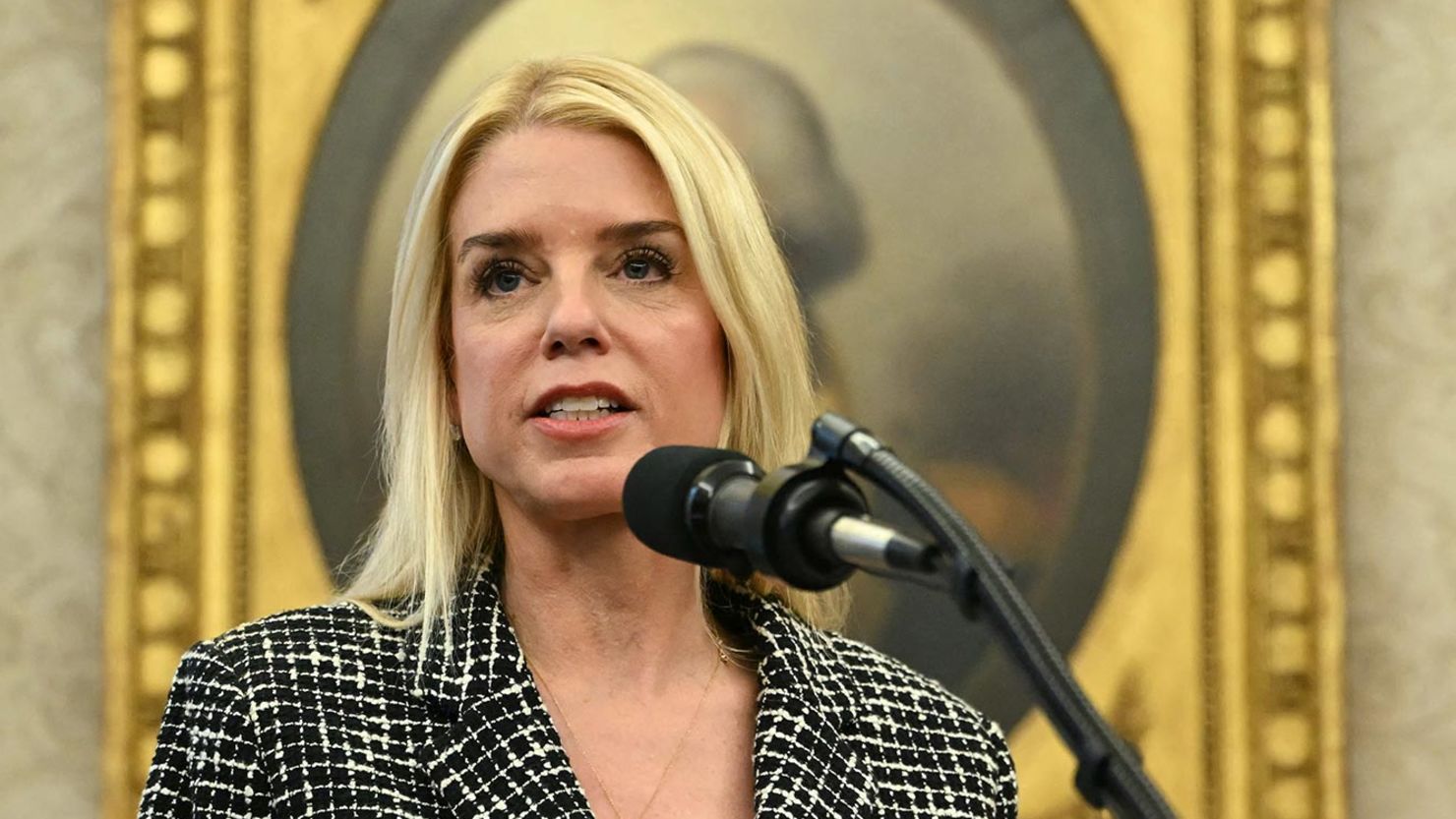
The moment Mkeley referenced foreign money and Trump’s memecoin funding structure, Bondi’s demeanor shifted unmistakably. She stiffened, then pivoted away from the topic, launching into a rapid series of remarks about violent crime, drug trafficking, and border security. Asked again about foreign attendees and their motives, she raised her voice and insisted she would “not traffic in hypotheticals,” despite the senator’s clear references to documented transactions and individuals whose identities have been verified.
The exchange grew more strained as Mkeley pressed her on a specific sequence: reports that investors linked to the UAE had shown interest in Trump-aligned digital assets around the same time the country sought access to restricted U.S. AI chips. According to public filings and blockchain transaction records, one UAE-based entity made a sudden $2 billion acquisition of Trump’s stablecoin shortly after diplomatic channels raised concerns about export restrictions on high-performance processors.
“Did these parties gain access at that dinner? Yes or no?” Mkeley asked.
Bondi paused for several seconds—a silence that seemed to fill the room as completely as any spoken response. She then declined to address the question, insisting that the Justice Department would not “comment on private financial behavior of citizens” and accusing the senator of “politicizing commerce.”
But what startled lawmakers on both sides was not her refusal to disclose classified or sensitive information—something attorneys general routinely navigate—but the absence of a standard legal explanation. Instead, Bondi offered no rationale at all, leaving the impression that she could not acknowledge the underlying concern without exposing matters she preferred to keep sealed.
Her evasion only intensified the unease. Several senators noted afterward that Bondi could have invoked ongoing investigations, national security considerations, or privacy statutes. She invoked none.
“It wasn’t just a non-answer,” a senior Democratic aide said afterward. “It was a collapse of the normal guardrails that officials use when they need to avoid discussing something. It raised more alarms than it silenced.”
Republicans on the committee, while critical of Mkeley’s line of questioning, privately conceded the moment was “unfortunate.” One GOP staffer described Bondi’s performance as “overly defensive in a way that didn’t serve her,” adding that a simple legal explanation “would have diffused the entire exchange.”
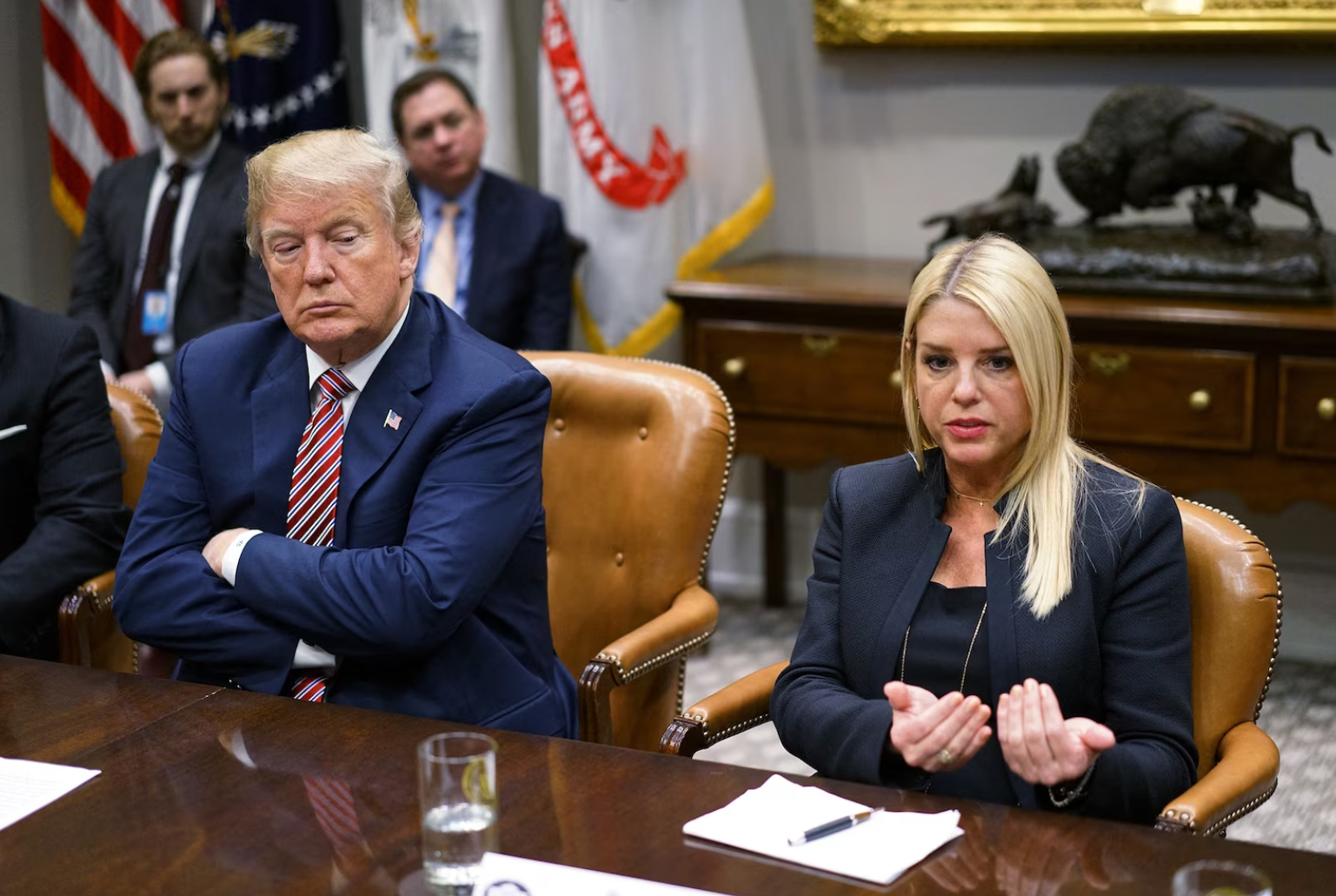
The controversy surrounding Trump’s crypto dinner predates the hearing but has largely simmered outside public view. Ethics watchdogs have criticized the event’s invitation model—access granted exclusively through high-dollar crypto purchases—as a “pay-to-sit” mechanism structurally vulnerable to foreign manipulation. Some attendees have publicly bragged about using the gathering to request favorable policy considerations, including tariff relief and expedited regulatory approvals.
Foreign influence concerns surged after blockchain analytics firms identified several transactions by overseas investors in the weeks leading up to the dinner, including acquisitions by shell entities headquartered in countries with active geopolitical interests in U.S. technology exports.
The Justice Department has neither confirmed nor denied whether any such activity is under review.
Bondi, who has positioned herself as a staunch defender of Trump and a critic of what she calls “politicized oversight,” has repeatedly brushed aside concerns about the intersection of cryptocurrency, political fundraising, and international influence. But the hearing marked the first time she appeared visibly destabilized by direct questioning on the subject.
For many lawmakers, the unanswered question is no longer simply whether foreign actors bought access—but why the attorney general seemed unable to acknowledge the issue at all.
“What truth is so sensitive that she can’t even say the words ‘I can’t discuss that’?” Mkeley asked reporters afterward. “That’s what’s now in front of the American public.”
Outside the hearing room, legal experts noted that Bondi’s reaction may ultimately prove more consequential than the questions themselves. Transparency lapses, particularly when they occur in settings designed to ensure accountability, often shape public perception more powerfully than the underlying allegations.
“Silence in government is rarely neutral,” said Danielle Rhodes, a constitutional scholar at Georgetown University. “When an official refuses to answer in a setting where answers are expected and routine, it suggests not protection—but exposure.”
As the Senate prepares its next steps, the mystery deepens. Bondi’s evasiveness may have been intended to shield sensitive information, but it has instead opened the door to broader suspicions: about the role of foreign actors, the vulnerabilities of political crypto-financing, and the potential for unseen pressures shaping decisions at the highest levels of government.
For now, the question that rattled Bondi remains unanswered. And in Washington, an unanswered question often echoes louder than a resolved one.