Midnight Disclosure Reignites Scrutiny of Trump and Mar-a-Lago
Shortly after midnight, as Washington slept, a routine document release quietly appeared online. By sunrise, it had detonated into a political firestorm.
Thousands of pages of newly disclosed federal records — dense, heavily redacted, and largely procedural — contained several buried references that immediately captured the attention of online commentators and legal analysts. Within hours, screenshots were ricocheting across social media, cable news chyrons were rewritten, and speculation surged about what the documents might reveal about Donald Trump and his long-running legal entanglements.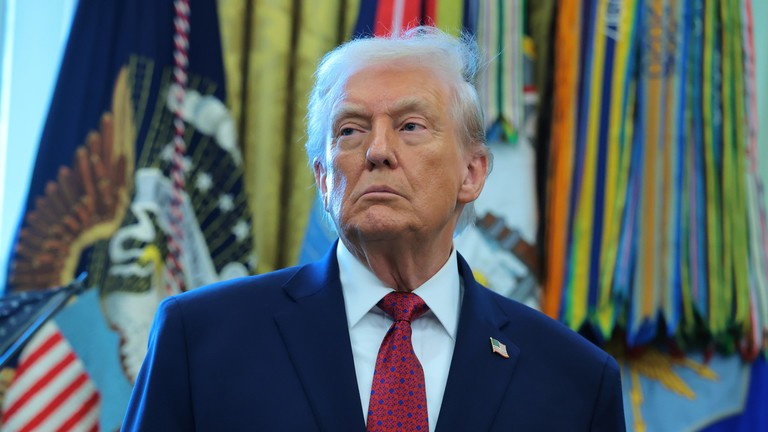
At the center of the renewed scrutiny was a series of references tied to a past tip involving Mar-a-Lago, the former president’s private club and residence. The tip itself was not new and had never resulted in formal charges. But its reappearance — reframed within a broader batch of records flagged by the Federal Bureau of Investigation — was enough to reignite public fascination and partisan outrage.
According to people familiar with the release, the documents were part of a larger disclosure obligation tied to ongoing litigation and oversight requests. Much of the material was mundane: internal routing notes, timelines, and correspondence among agencies. Yet scattered throughout were references to late-cycle investigative leads, some dating back years, that had previously remained out of public view.
One such reference — an allegation long dismissed by Trump allies as politically motivated and unsubstantiated — resurfaced with new contextual framing. While still heavily redacted, the language suggested that investigators had revisited the claim at a later stage, prompting renewed internal discussion. That alone was enough to trigger a wave of online conjecture about what, if anything, might still be concealed beneath the black bars.
Trump’s representatives moved quickly to denounce the frenzy. In a statement, a campaign spokesperson said the documents “prove nothing new” and accused critics of “recycling debunked insinuations to manufacture outrage.” The statement emphasized that no charges have ever stemmed from the referenced allegation and described the renewed attention as “another example of media-driven distortion.”
Privately, however, some Republicans acknowledged discomfort with the timing. The release arrives at a volatile moment, as Trump remains entangled in multiple legal battles and as the 2026 midterm cycle begins to shape donor behavior and party strategy. Even unproven claims, they noted, can carry political weight when revived in a climate already primed for scandal.
Legal experts urged caution. “Document dumps are not verdicts,” said one former federal prosecutor. “References to tips or allegations do not imply wrongdoing. Investigators log an enormous amount of information that never leads anywhere. The danger is reading intent or guilt into process.”
Still, the episode highlights a defining feature of the Trump era: the power of partial information. Redactions, rather than quieting controversy, often amplify it. Each blacked-out paragraph becomes an invitation for speculation, each footnote a potential narrative hook.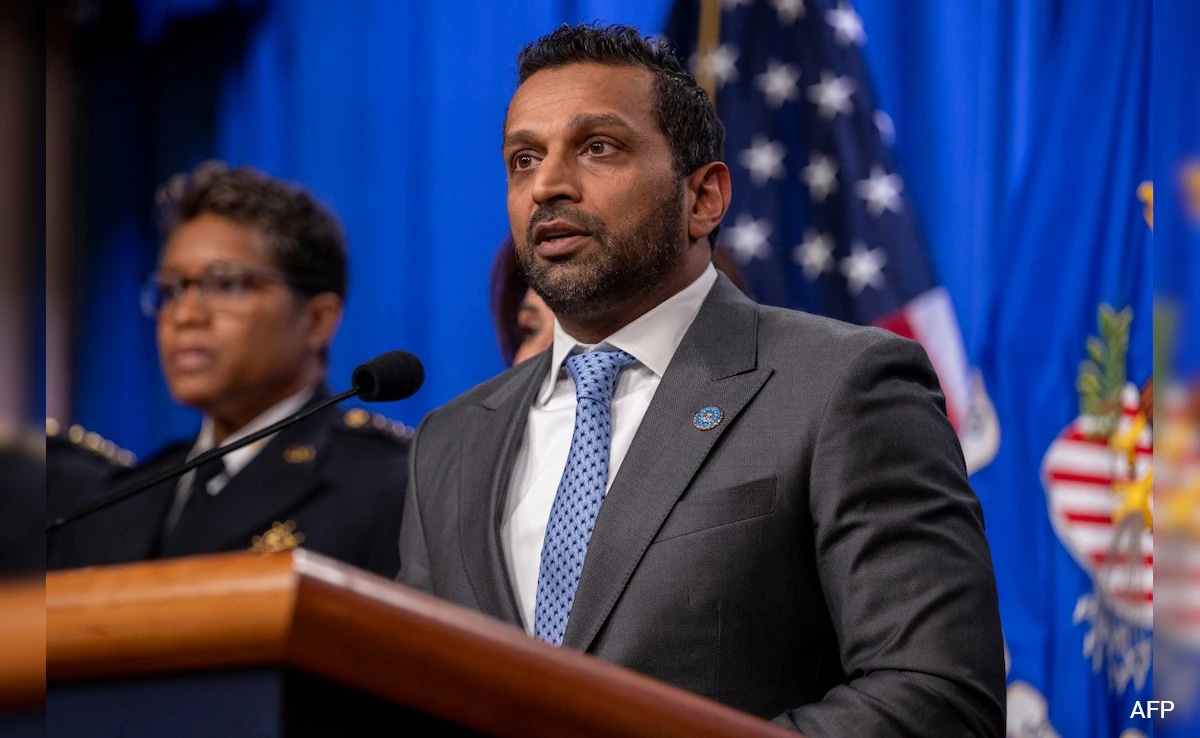
Online, the reaction has been predictably polarized. Trump supporters argue the documents underscore what they see as years of overreach by federal authorities. Critics counter that the resurfaced references reinforce concerns about transparency and accountability. Between those camps lies a wider public, left to parse fragments of information in a media ecosystem that rewards speed over restraint.
As of Wednesday afternoon, neither the FBI nor the Justice Department had offered additional comment beyond confirming the authenticity of the released records. No new investigative actions have been announced, and no court filings suggest imminent developments.
For now, the midnight disclosure stands as another reminder that in modern American politics, the release of documents — even inconclusive ones — can become an event in itself. Whether this episode fades into the background noise of a crowded legal calendar or marks the beginning of something more consequential remains unclear.
What is certain is that, once again, a late-night drop has ensured that the conversation around Donald Trump is anything but quiet.