🔥 Explosive Capitol Hill Clash: Lawmakers Erupt Over Asylum Approval, National Guard Death, and DHS Accountability
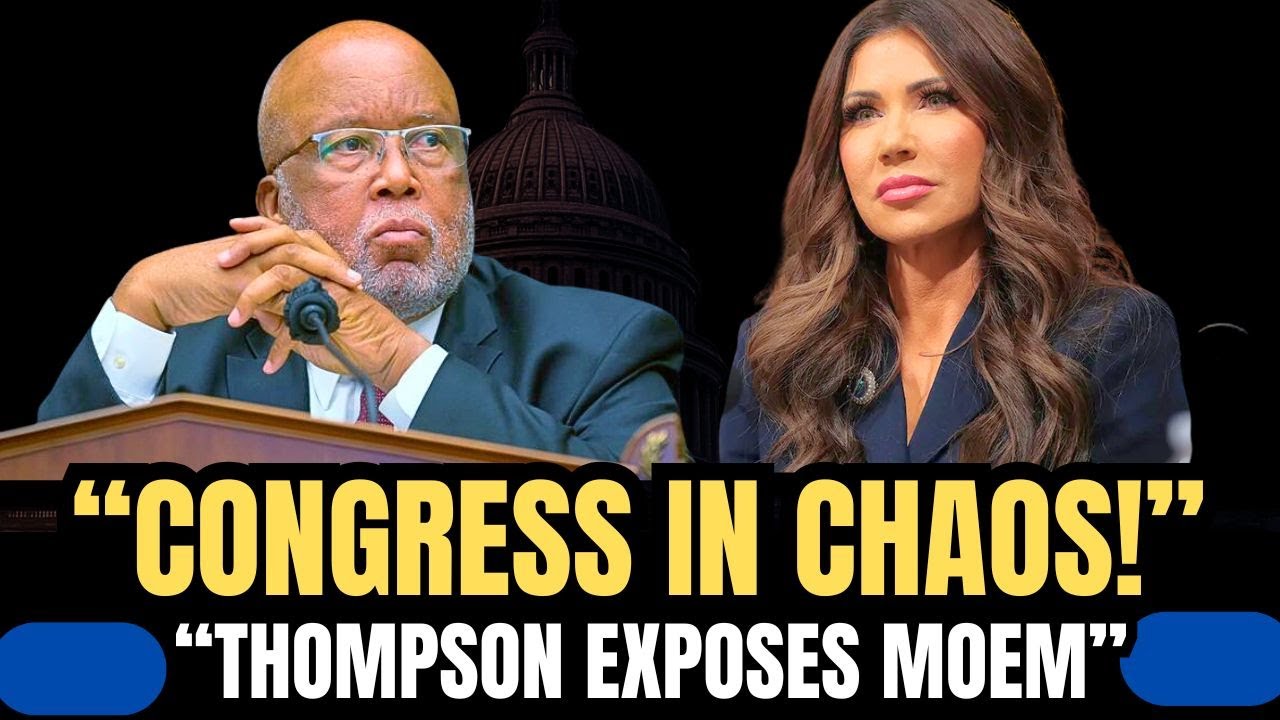
A heated congressional hearing erupted into chaos as lawmakers clashed over who approved an asylum claim tied to a suspect accused of killing a National Guardsman. The confrontation exposed deep divisions over immigration vetting, agency accountability, and how political leaders frame responsibility when tragedy strikes.
At the center of the exchange, Representative Bennie Thompson pressed administration officials for a clear answer to a simple question: yes or no, who approved the asylum application? His frustration boiled over as witnesses repeatedly deflected, citing prior administrations, inherited rules, and shifting standards rather than offering a direct response.
Administration officials argued that the asylum application was built on information gathered under the Biden administration and followed rules established at that time. Thompson sharply disputed that framing, stating his belief that the Trump administration’s Department of Homeland Security ultimately approved the asylum, warning that evasive answers risked misleading Congress.

The hearing intensified further when officials attempted to reframe the killing of the National Guardsman as an “unfortunate incident,” language Thompson forcefully rejected. He reminded the committee that the Guardsman was shot in the head, underscoring that this was an act of violence, not an accident, and demanding accountability rather than rhetorical minimization.
As the session continued, debate widened beyond a single case. Officials blamed broader asylum programs, including Operation Allies Welcome, arguing that emergency evacuation vetting standards were misused to admit individuals who would not have qualified under traditional special immigrant visa rules. Critics countered that this argument sidestepped the real issue: ongoing oversight failures after entry into the United States.
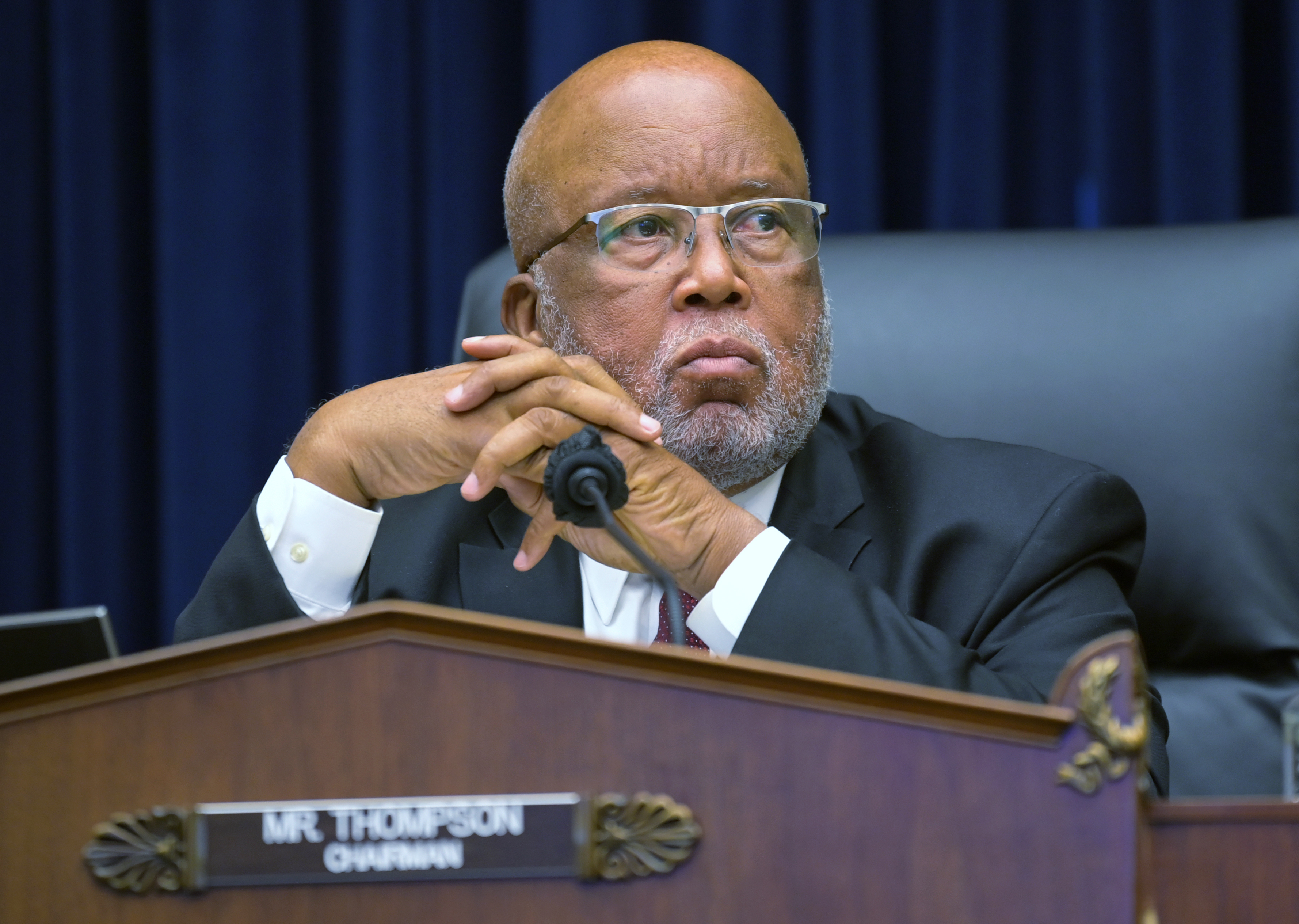
The hearing also revealed a troubling pattern in congressional oversight. When pressed for specifics, witnesses repeatedly cited “active investigations,” “fluid threats,” or inherited policies, leaving lawmakers without concrete answers. Thompson’s questioning highlighted the core role of Congress: forcing clarity where executive agencies prefer ambiguity.
Beyond partisan conflict, the exchange illustrated how policy decisions cascade across administrations. Immigration and asylum systems do not reset with each election. Choices made years earlier interact with present-day enforcement, follow-up failures, and leadership decisions, producing consequences that are immediate and sometimes deadly.
In the end, the clash was more than political theater. It was a stark reminder that public safety depends not just on laws, but on transparency, clear responsibility, and honest testimony. As lawmakers demanded answers, one question lingered for the public: when tragedy occurs, will accountability finally be as clear as the consequences?