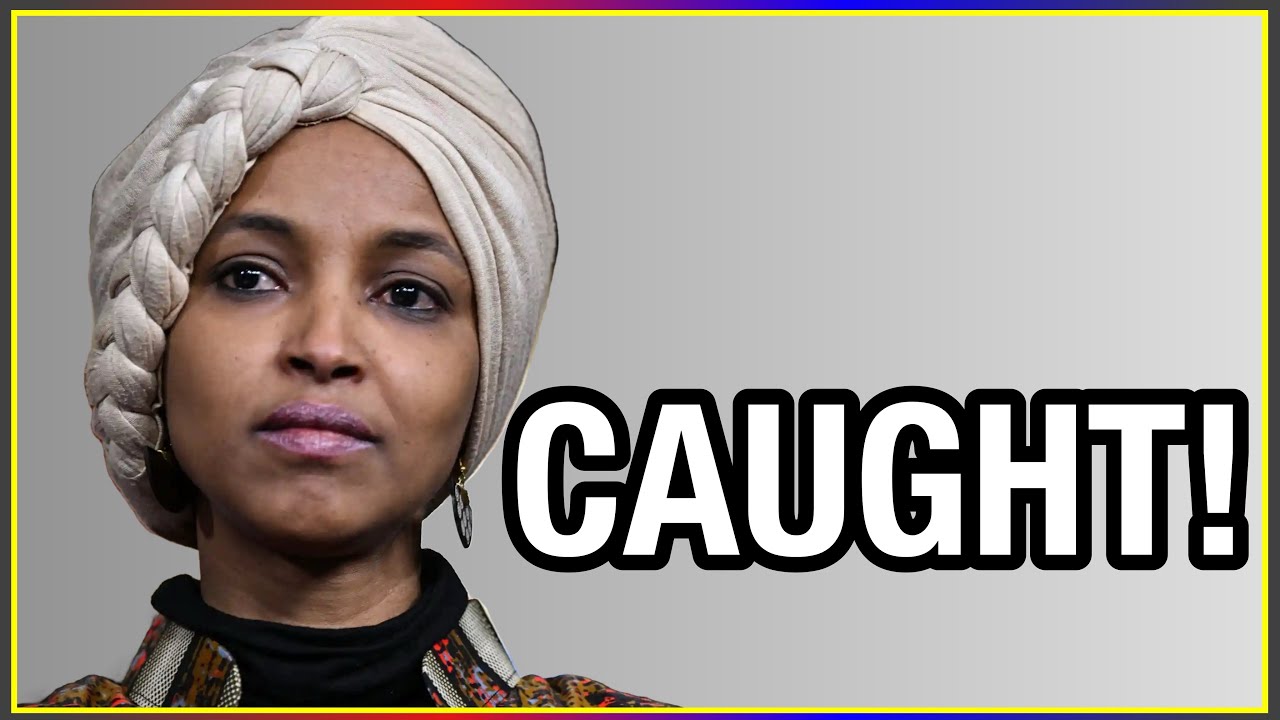
WASHINGTON — Long-running federal investigations tied to the Minnesota nonprofit Feeding Our Future have re-entered the national conversation, unsettling Democratic leaders and pulling Ilhan Omar back into a political crosscurrent she has faced before. The renewed attention does not stem from a new indictment or allegation against Omar personally, but from a convergence of court filings, investigative reminders, and political memory that many assumed had faded.
The Feeding Our Future case, one of the largest pandemic-era fraud prosecutions in the country, centers on the alleged misuse of federal child nutrition funds during Covid-19. Prosecutors say tens of millions of dollars were siphoned off through falsified meal counts and shell companies, while defendants argue the government is overstating its case. Dozens have been charged, several trials are ongoing, and more proceedings remain ahead. What has changed recently is not the substance of the case, but the attention it is receiving — and the political questions that attention revives.
According to people familiar with the investigations, federal authorities have not closed all avenues of inquiry connected to the broader network of organizations and individuals involved. While prosecutors have been clear that the case is about fraud, not politics, the scale of the alleged misconduct has prompted renewed scrutiny of oversight failures at multiple levels of government. That scrutiny, in turn, has drawn attention to campaign donations, public appearances, and political relationships that existed around the time the programs were operating.
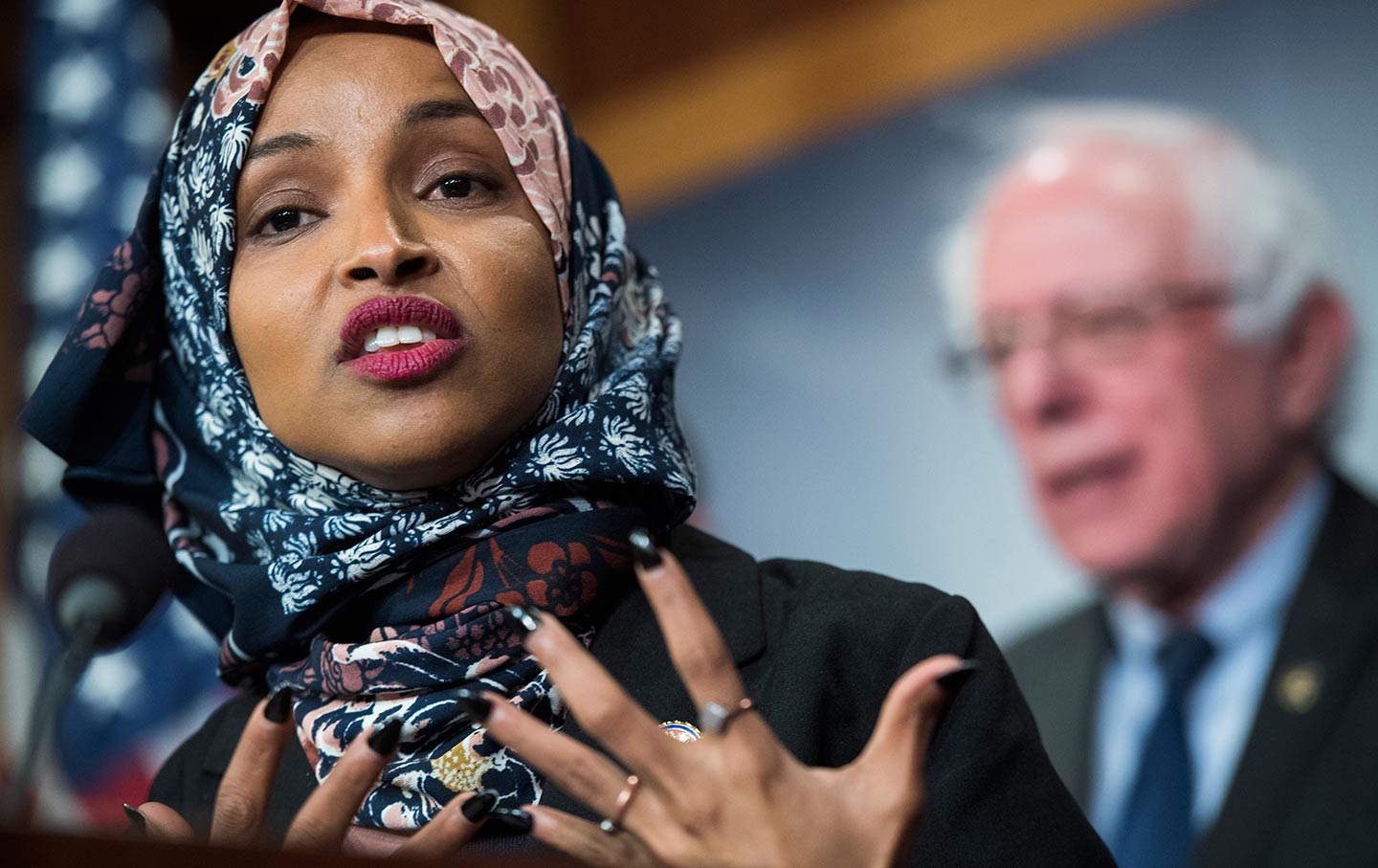
Omar, whose district includes many of the communities affected by the nutrition programs, has long said she had no role in administering or overseeing Feeding Our Future and no knowledge of fraudulent activity while it was occurring. There is no indication she is a target of the investigation. Still, critics argue that her vocal defense of pandemic aid programs and her proximity to some of the political ecosystem around the nonprofit warrant renewed examination. Supporters counter that conflating advocacy for relief with responsibility for fraud risks politicizing a criminal case.
Inside Democratic circles, aides describe an atmosphere of unease rather than panic. The concern is not about imminent legal exposure for elected officials, but about optics and narrative control. The resurfacing of the case has coincided with a broader reassessment of pandemic spending, as voters and lawmakers alike revisit how emergency funds were distributed and monitored. For a party that championed expansive relief, the Minnesota case has become a symbol of what happens when speed outpaces safeguards.
Governor Tim Walz has acknowledged failures in oversight and has said the state should have acted sooner to halt questionable claims. His administration has pointed to reforms implemented after the fraud was uncovered, arguing that lessons have been learned. But as new trials and filings keep the case in the headlines, those assurances are being tested.
Analysts say the renewed focus reflects a shift in how pandemic-era decisions are being judged. “In 2020 and 2021, the dominant question was how fast help could be delivered,” said one policy expert who has studied emergency spending. “In 2024 and 2025, the question is who watched the money and what happened when red flags appeared.”
Online, the reaction has been swift and polarized. Critics have stitched together timelines, donation records, and public events, often implying connections that investigators have not alleged. Supporters of Omar warn that such efforts amount to guilt by association, driven more by political animus than evidence. The result has been a familiar digital pattern: certainty outrunning facts, and nuance struggling to keep pace.
Democratic leaders have largely urged caution, emphasizing that the case remains in the courts and that accountability should be determined by evidence, not insinuation. Privately, some acknowledge that the party faces a messaging challenge. Defending the principle of social programs while confronting the reality of fraud requires a careful balance — one that can be difficult to maintain in a viral media environment.
The Feeding Our Future case also raises broader institutional questions. Oversight of federal nutrition programs is split among state agencies, nonprofits, and the U.S. Department of Agriculture, creating gaps that fraudsters can exploit. Lawmakers from both parties have proposed tightening controls, though consensus on how to do so without slowing aid has proved elusive.

For Omar, the immediate impact is political rather than legal. Her name trending alongside the case, even without allegations, illustrates how high-profile figures can be drawn into investigative gravity fields simply by proximity. It also reflects a tougher mood among voters, who appear less willing to separate good intentions from flawed execution.
As the legal process continues, more details will emerge — through testimony, documents, and verdicts rather than social media threads. Whether those details deepen or defuse the current political tension remains to be seen. What is clear is that the Minnesota fraud case is no longer background noise. It has become a live reminder that emergency governance leaves long shadows, and that accountability questions can resurface long after the crisis that produced them has passed.
For Democrats, the challenge is not only to respond to critics, but to articulate how future programs can avoid repeating past failures. For now, the story’s renewed visibility is a warning: even cases that seem settled can return, carrying implications far beyond the courtroom.