OTTAWA — Unverified online reports have circulated in recent days alleging that former U.S. President Donald Trump urged Canadian Prime Minister Mark Carney to step aside due to disagreements over economic policy. No official confirmation of such a communication has been provided by either government, and Canadian authorities have reiterated that decisions regarding the prime minister’s position remain strictly a matter of domestic constitutional process.
The reports, which first gained traction through social media commentary and unofficial channels, have not been accompanied by any documented diplomatic correspondence, joint statement, or public record from Washington or Ottawa. At present, the claims appear to rest on secondary accounts rather than primary government sources. Officials in both capitals have so far declined to comment directly on the specific allegation, though spokespersons have emphasized the importance of maintaining constructive bilateral dialogue on shared economic interests.
Analysts familiar with Canada-U.S. relations note that frank discussions between leaders of the two countries are routine, particularly during periods of trade friction. The current environment includes ongoing U.S. tariffs on Canadian steel, aluminum, softwood lumber, and automobiles, as well as uncertainty surrounding the scheduled 2026 review of the Canada-United States-Mexico Agreement (CUSMA). Policy differences over fiscal stimulus, regulatory harmonization, critical minerals strategy, and energy infrastructure have been publicly acknowledged by both sides in recent months.
Policy circles are watching closely for any indication of whether the discussion crossed into territory rarely entered between close allies. Sources describe the alleged exchange — if accurate — as unusual in tone for routine bilateral dialogue, yet consistent with the heightened scrutiny currently applied to trade alignments and fiscal approaches. Insiders frame it less as a formal intervention and more as a possible reflection of deepening frustrations over unresolved tariff and market-access questions. Not yet a documented diplomatic note. Not an official démarche. Just circulating accounts that invite careful parsing.

If the reported exchange were substantiated, it would mark an unusually direct comment on another country’s domestic leadership — a step that would depart from conventional diplomatic norms between longstanding allies. Historically, even sharp disagreements on trade remedies, border measures, or monetary policy have been addressed through formal negotiations, ministerial-level talks, or public statements rather than personal appeals regarding tenure. Canadian constitutional practice vests authority over the prime minister’s continuation in office with Parliament and the governing party’s internal mechanisms, not external actors.
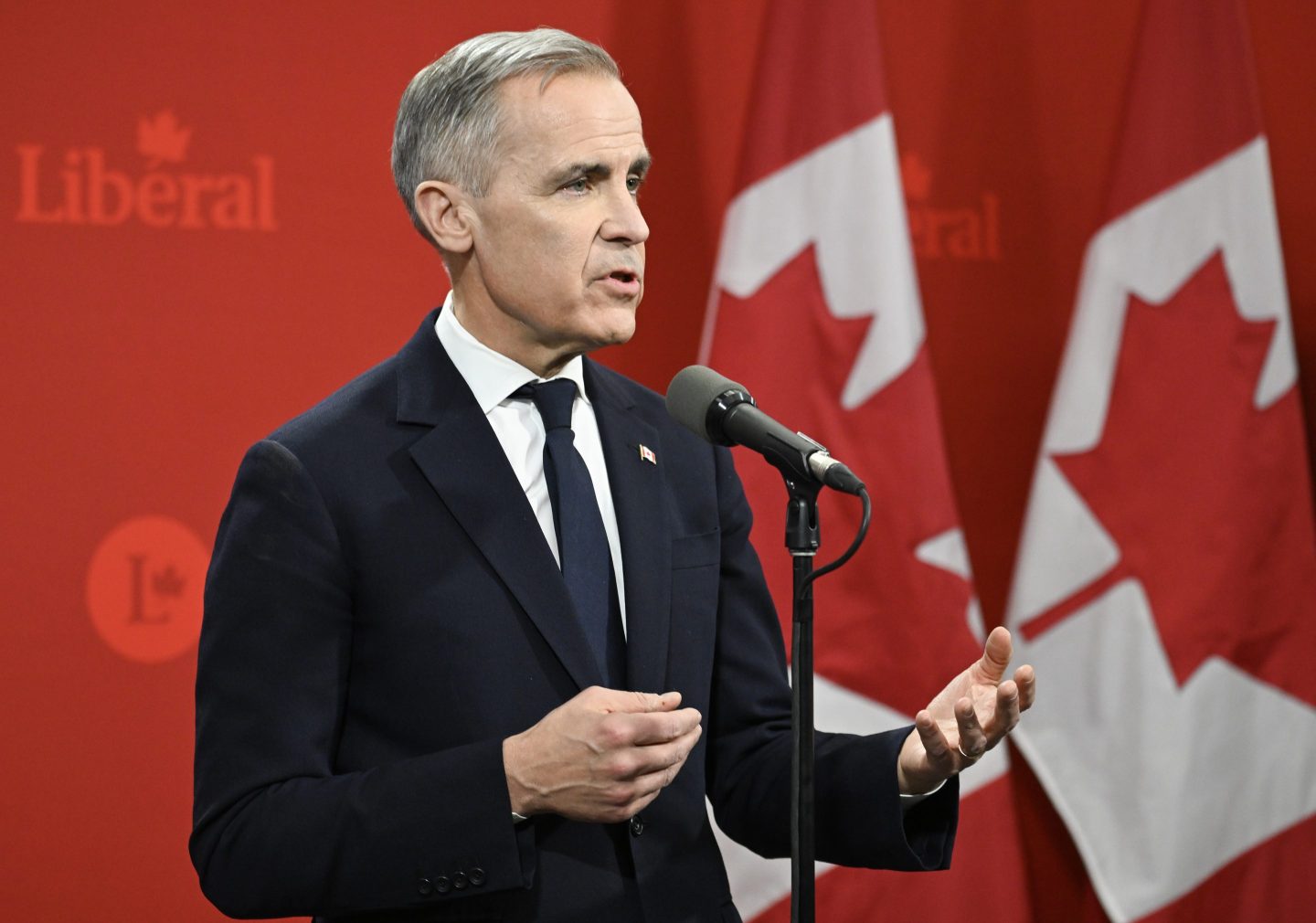
Prime Minister Carney’s minority Liberal government has faced domestic criticism over the pace of tariff relief negotiations and the limited scale of new export markets secured to offset U.S. market disruptions. The administration has pursued diversification agreements with partners in the Indo-Pacific, Europe, and elsewhere, while maintaining that sustained engagement with Washington remains essential. Opposition Leader Pierre Poilievre has repeatedly called for a more assertive domestic-first approach, including accelerated resource development and strategic reserves to strengthen Canada’s negotiating position.
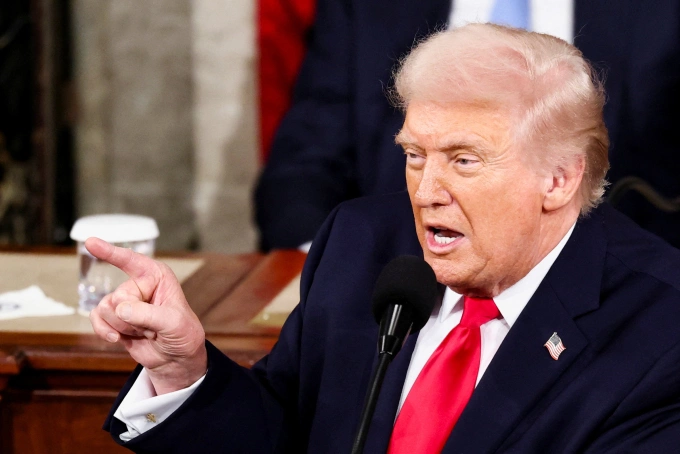
U.S. officials have not publicly addressed the specific claim. President Trump, who returned to office in January 2025, has previously made public statements characterizing Canada’s economic posture in blunt terms, including references to trade imbalances and border security. Such rhetoric has periodically prompted pushback from Ottawa but has not previously been linked to reported private suggestions regarding Canadian leadership changes.
Observers caution against drawing firm conclusions from unverified accounts. Social media amplification can rapidly transform speculation into perceived fact, particularly when underlying bilateral tensions provide fertile ground for interpretation. Several past instances of alleged high-level exchanges between the two countries — ranging from softwood lumber disputes to dairy market access — have later been clarified or contextualized through official channels as less confrontational than initial reports suggested.
Canada’s Department of Foreign Affairs and the Prime Minister’s Office have consistently maintained that bilateral relations are managed through established diplomatic structures, including regular leader-level contact, cabinet-level working groups, and the CUSMA framework. Any suggestion of external influence on domestic political arrangements would be viewed as inconsistent with the principle of non-interference that underpins the relationship.
As of now, the absence of official acknowledgment leaves the reported exchange in the realm of commentary rather than confirmed diplomacy. Both governments continue routine engagement on trade files, with upcoming meetings anticipated at the ministerial level to address tariff implementation and CUSMA preparatory work. Further clarification from authorized sources would be required to assess whether the circulating reports reflect a genuine private discussion, rhetorical flourish, or online conjecture.
The episode underscores the sensitivity surrounding Canada-U.S. economic interdependence at a time when global supply chains, protectionist measures, and domestic political pressures are intersecting. While allied relations have weathered comparable strains in the past, sustained public attention to unconfirmed claims risks complicating efforts to reach pragmatic outcomes on shared priorities.