🔥 REUTERS BOMBSHELL: TRUMP SECRETLY PRESSURING THE INTERNATIONAL CRIMINAL COURT TO AVOID WAR CRIMES PROSECUTION
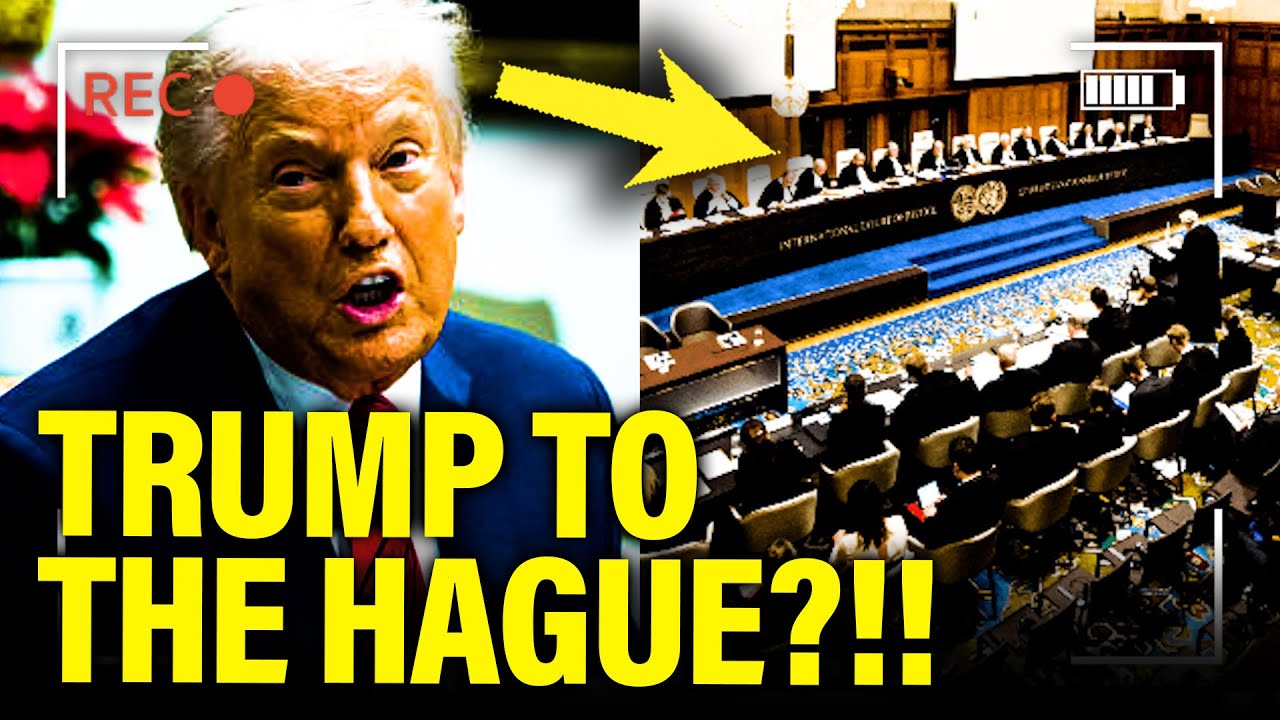
A stunning new Reuters investigation has revealed that former President Donald Trump is privately scrambling to shield himself from potential war crimes charges once he leaves office in 2029. Despite his public denials and social-media bravado, Trump is reportedly deeply worried the International Criminal Court (ICC) will pursue him over deadly military actions in Venezuela and other regions. According to an anonymous White House insider, Trump is already pressuring allies to intervene on his behalf.
Behind the scenes, the source says Trump and senior officials fear the ICC may launch prosecutions targeting “the president, the vice president, the secretary of war, and others.” While the ICC rarely prosecutes sitting heads of state, they are fully empowered to do so the moment a leader leaves office. That looming deadline appears to be driving urgent moves by Trump’s administration — moves hidden from the public until now.
The controversy centers on a series of U.S. strikes in the Caribbean, including the now-infamous September 2 “double strike” that killed two civilians stranded at sea. To date, more than 80 deaths have been attributed to the administration’s operations without any publicly released evidence. Both Democrats and Republicans are demanding full video, transcript, and intelligence disclosures. But international law poses an even greater threat: several U.S. allies have already condemned the legality of the strikes.
The United Kingdom has reportedly restricted intelligence sharing over concerns about legality. France’s foreign minister publicly declared the actions a breach of international law. The European Union and the United Nations have raised red flags — all before the double-tap strike was even revealed. The mounting global backlash has only intensified fears inside the Trump administration about future accountability.
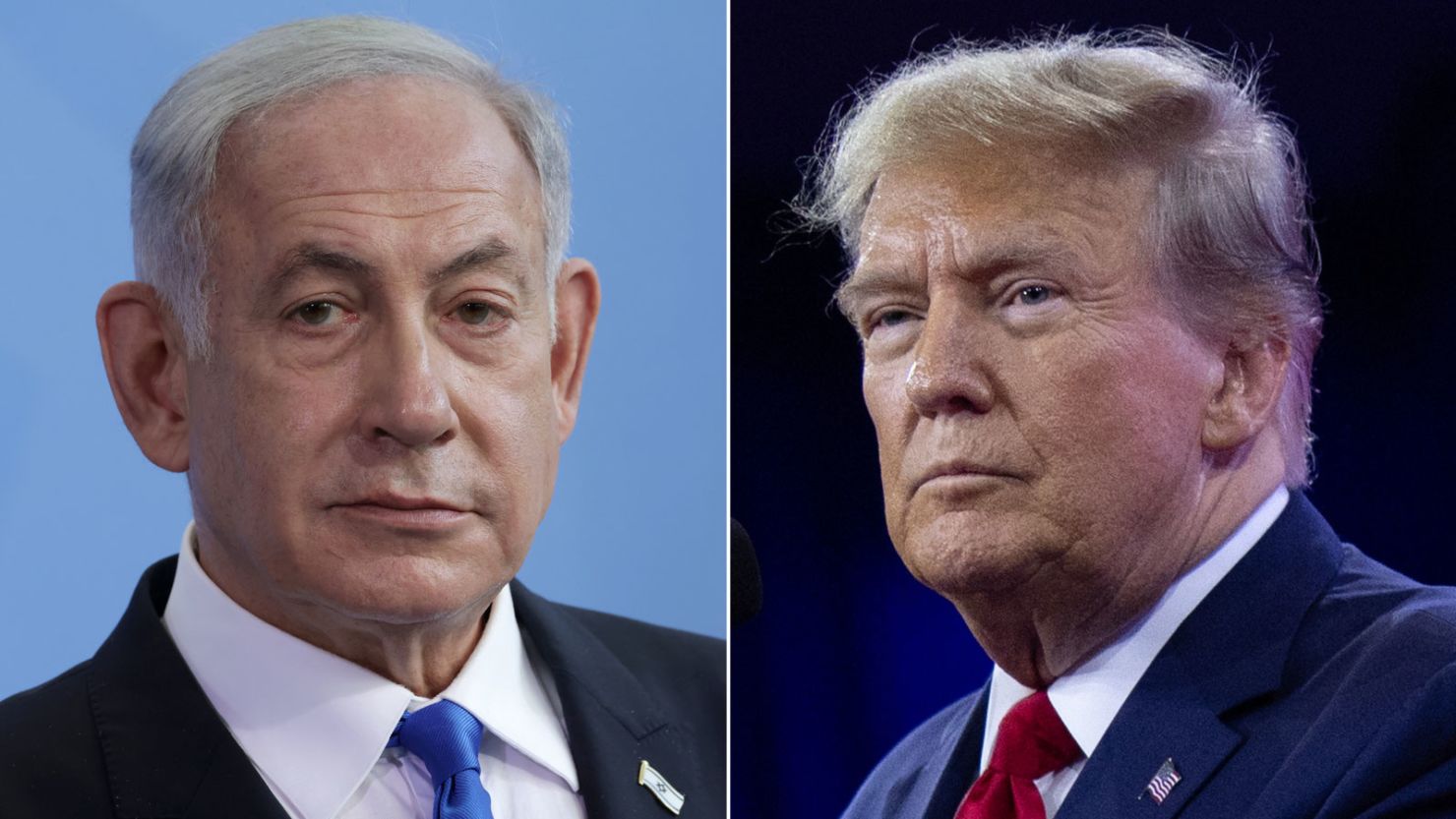
According to Reuters, Trump is now trying to strong-arm International Criminal Court member states into limiting the court’s jurisdiction or granting him explicit immunity. The reported demand: stop all ICC investigations related to U.S. actions in Afghanistan, Israel’s military campaign in Gaza, and the controversial “cartel strike” operations in the Caribbean. If they refuse, Trump is threatening expanded sanctions — measures he has used before to cripple the ICC’s ability to function.
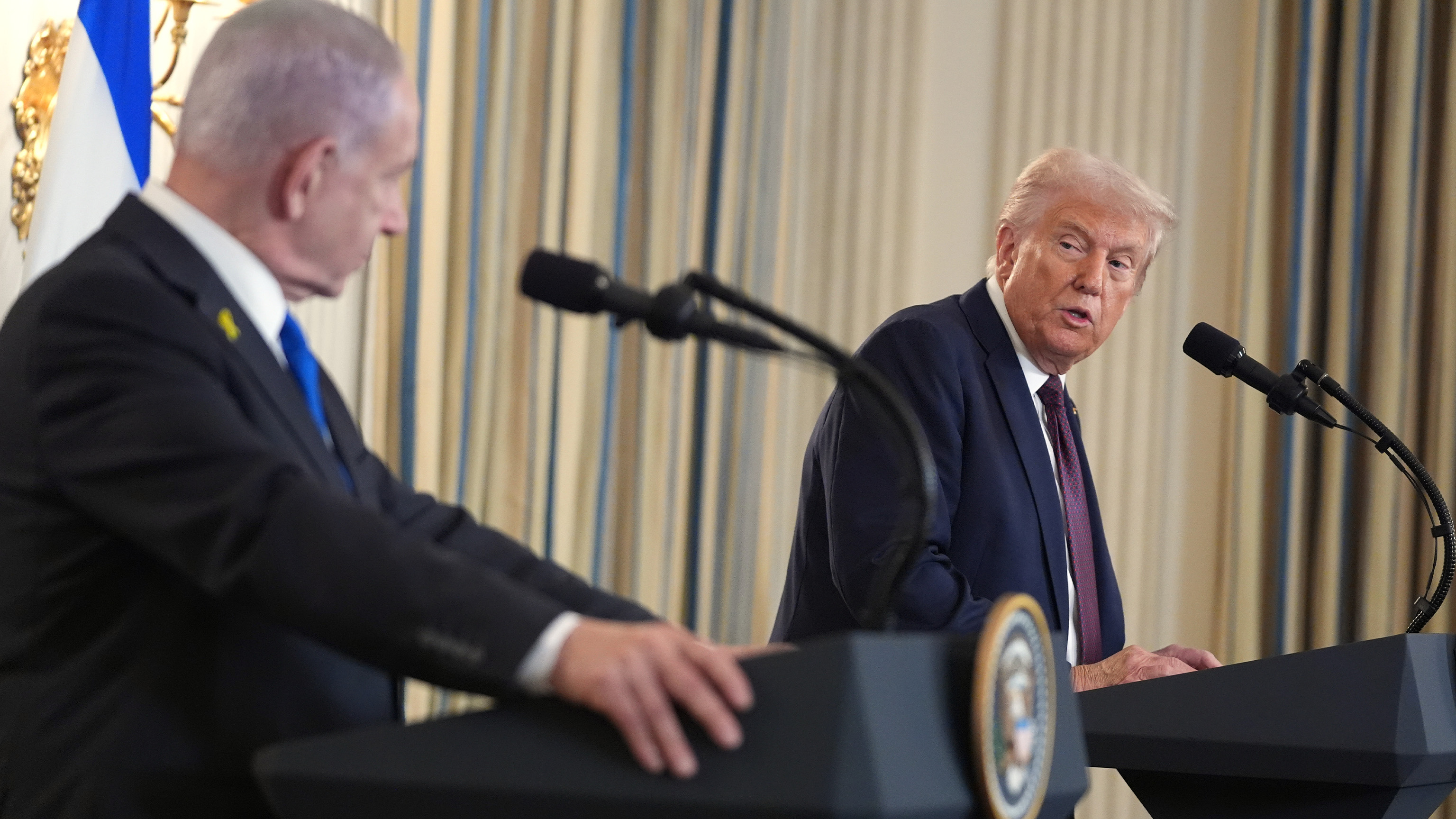
These sanctions have been condemned by global institutions and human rights experts. A senior ICC representative warned earlier this year that U.S. sanctions “impose severe impediments on the functioning of the prosecutor’s office” and undermine the independence of international justice. The UN echoed this criticism, calling the U.S. actions a dangerous interference in one of the world’s only mechanisms for prosecuting genocide, war crimes, and crimes against humanity.
Legally, even if the U.S. is not an ICC member, Trump and his top officials could still face arrest if they travel to any of the court’s 124 member nations while under an ICC warrant. That includes nearly every major Western country. Such a warrant would effectively trap U.S. leaders inside the United States — a diplomatic crisis unprecedented in modern history. And altering ICC jurisdiction is nearly impossible: two-thirds of member states would need to agree, and nations like Venezuela, Argentina, and Brazil would likely reject any carve-out designed to protect Trump.
This growing international showdown now threatens to explode into a full geopolitical conflict. Trump may have shaped the U.S. Supreme Court to secure sweeping domestic immunity, but he cannot reshape the International Criminal Court with the same ease. For the first time, the former president faces a global legal system he cannot intimidate, override, or control. What happens next could determine not only his post-presidency freedom but the future of America’s standing on the world stage.