Dan Goldman Put on the Defensive as ICE Hearing Explodes Into Clash Over Rhetoric and Violence
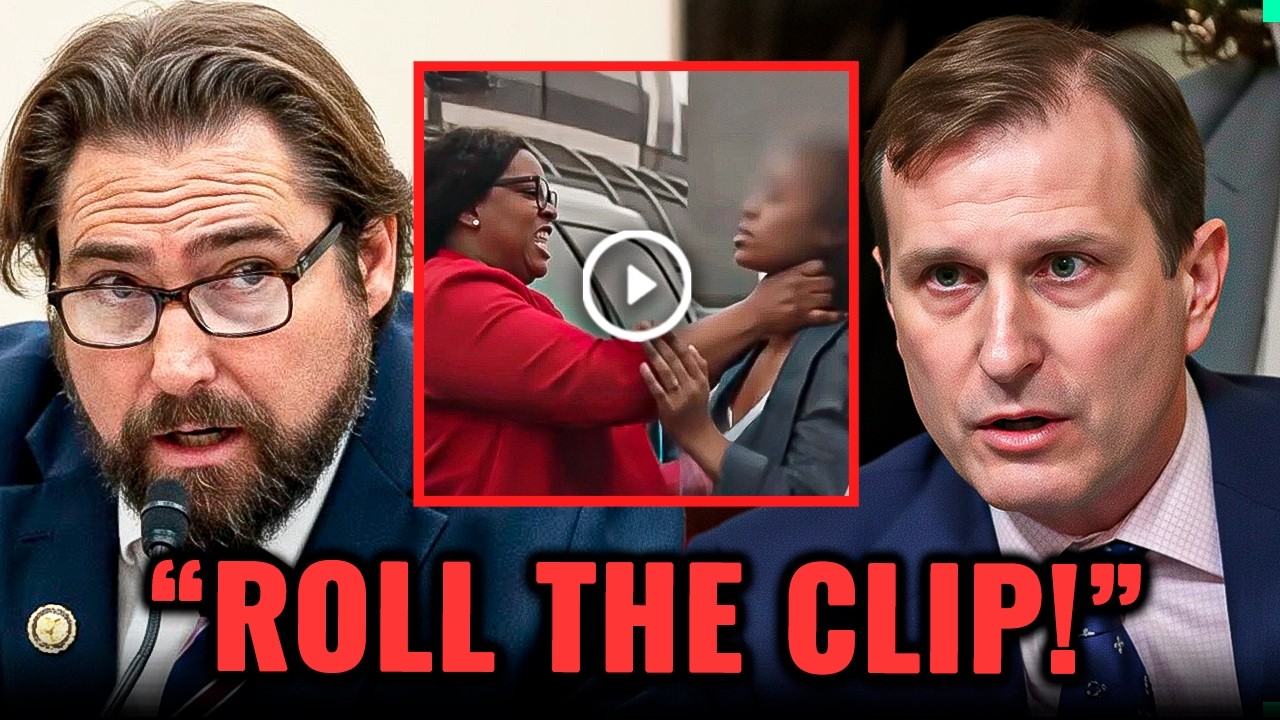
A routine House hearing on immigration enforcement took an explosive turn when Rep. Dan Goldman’s criticism of ICE agents collided head-on with a forceful rebuttal from Rep. Eli Crane. What followed was a sharp exchange that exposed growing tensions over how political rhetoric may be fueling real-world threats against federal law enforcement.
Goldman argued that masked ICE agents and aggressive enforcement tactics resemble “secret police,” warning of excessive force and lack of accountability. He pointed to rising threats against officers while insisting that law enforcement should never operate anonymously in a democratic society.

Crane pushed back hard, accusing Democrats of demonizing the very officers tasked with enforcing laws passed by Congress. He argued that inflammatory language doesn’t stay in hearing rooms—it travels, spreads, and ultimately places agents and their families in danger.
That warning is backed by data. Following intensified immigration enforcement, protests surged nationwide, with more than 700 demonstrations recorded across all 50 states. DHS reports show assaults on ICE agents rising sharply, with officers shoved, spat on, struck, and targeted during operations.
Crane emphasized that most agents do wear uniforms and are focused on arresting individuals with criminal convictions. He accused critics of ignoring that reality while amplifying narratives that paint enforcement as racially motivated or unlawful.
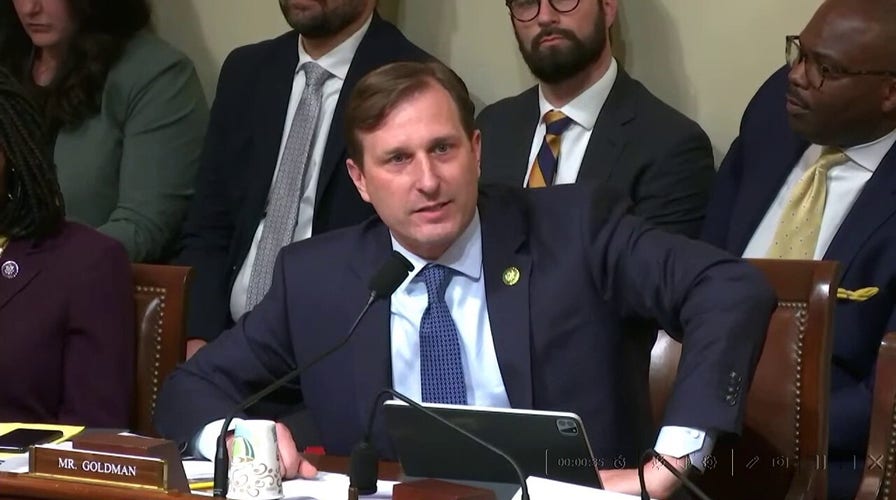
The controversy deepened as lawmakers highlighted repeated comparisons of ICE to the Gestapo by prominent Democrats, calls to abolish the agency, and public confrontations between elected officials and agents. Critics say this rhetoric normalizes hostility and invites escalation.
Recent reports revealed hackers doxing hundreds of ICE, DHS, and FBI officials, leaking personal information online. In one case, an attacker allegedly threatened an officer’s family—underscoring why many agents now mask their identities during operations.
The hearing reached a breaking point when video footage showed a Democratic lawmaker physically confronting ICE officials. That lawmaker now faces federal charges, with a judge allowing the case to proceed to trial.
As the dust settles, the clash leaves a clear message: criticism of policy is fair game, but when rhetoric blurs into vilification, the consequences can be severe. For lawmakers on both sides, the hearing served as a stark reminder that words spoken in Washington can carry dangerous weight far beyond it.