Trump Sparks Rare GOP Revolt After Politicizing Tragic Deaths, Drawing Condemnation Across the Right
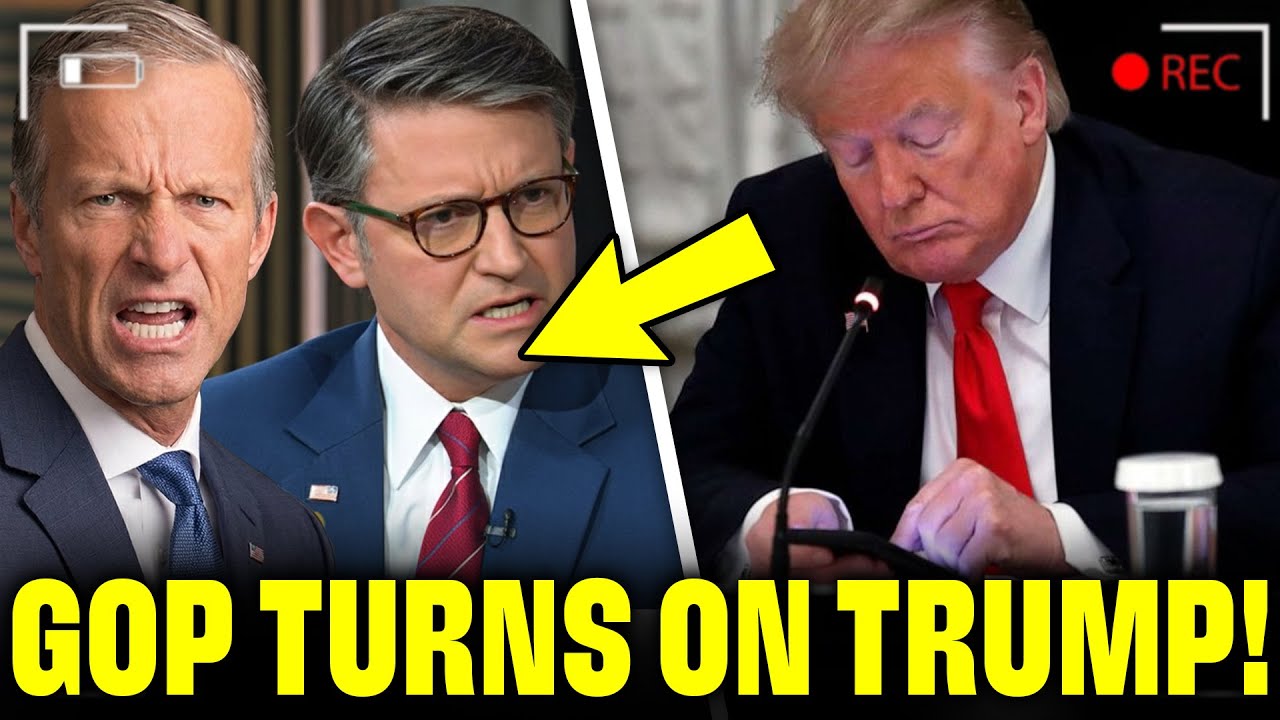
Donald Trump ignited a rare and public backlash from within his own party after using a brutal family tragedy to advance a personal political grievance. Following the murder of prominent filmmaker and activist Rob Reiner and his wife, Trump posted on Truth Social suggesting their deaths were connected to what he calls “Trump Derangement Syndrome,” instantly triggering outrage well beyond the political left.
The reaction was swift and unusually broad. Rather than offering condolences or restraint, Trump framed the killings as a consequence of political hostility toward him, a move critics described as grotesque and self-absorbed. Even longtime Republican allies struggled to defend the post, calling it inappropriate, disrespectful, and unworthy of a sitting president.

Kentucky Republican Thomas Massie publicly challenged anyone to justify Trump’s remarks, while Nebraska Congressman Don Bacon delivered one of the sharpest rebukes yet, saying the comments sounded like something “from a drunk guy at a bar, not the president of the United States.” Bacon’s criticism stood out precisely because he has historically tolerated Trump’s behavior.
Perhaps more striking was the response from Marjorie Taylor Greene, a figure closely associated with the MAGA wing. While no stranger to controversy herself, Greene urged empathy, calling the incident a family tragedy, not a political battle. That message, echoed by conservative commentators and even Trump-friendly media figures, underscored how far Trump’s post crossed established moral lines.
The outrage cut across ideological boundaries because it highlighted a deeper concern: the normalization of cruelty in political discourse. Critics argued that Trump’s refusal to separate human tragedy from personal grievance reflects a broader pattern of eroding norms, where empathy is replaced by outrage and every event is weaponized for attention.

This moment also exposed growing cracks inside the Republican Party. Recent polling suggests a slow but measurable shift away from the MAGA wing toward more traditional establishment figures. Trump’s once-unquestioned dominance is increasingly giving way to discomfort, as more Republicans calculate the political cost of defending behavior that alienates voters.
Beyond party politics, the episode raised alarms about leadership and accountability. A president’s words carry weight, especially in moments of violence and grief. By framing a horrific crime through the lens of personal victimhood, Trump intensified concerns that he fuels division rather than healing, and outrage rather than restraint.
While it remains unclear whether this backlash will lead to lasting consequences, the reaction itself is significant. For once, principle briefly overtook party loyalty. Whether that moment endures or fades, it marks a telling snapshot of a party grappling with the moral and political consequences of Trump’s conduct—and a reminder that even hardened allies can reach a breaking point.