COPENHAGEN — A confidential Danish intelligence memo circulating among European policy officials has stirred new diplomatic tension after it reportedly warned that shifts in U.S. foreign policy under Donald J. Trump could pose “strategic unpredictability” for allied nations, according to several European officials who reviewed the document. While the memo does not classify the United States as an adversary, its pointed language reflects a growing unease among some European partners about Washington’s long-term reliability during a period of intensifying geopolitical strain.
The report, prepared by analysts within Denmark’s Security and Intelligence Service (PET), was not intended for public release. But excerpts referenced by officials familiar with the material — and subsequently described in Danish and European media — suggest that Trump-aligned policy directives have prompted allies to consider new contingency planning in the event of abrupt changes in American posture.
Danish authorities declined to comment on the leaked excerpts, and U.S. officials strongly rejected the characterization, calling it “misleading” and “divorced from the realities of the partnership.”
A Leak That Reverberated Across Europe
The memo became public after portions were disclosed by individuals who said they were alarmed by the document’s implications. According to those familiar with its contents, the report focuses on concerns about unilateral policy reversals, weakened coordination within NATO, and intensified diplomatic pressure efforts linked to trade and defense spending.
Though far less severe than some online interpretations suggest, the language used by the intelligence service was described by European officials as “unusually blunt,” particularly in its assessment of the challenges for small and medium-sized nations navigating an unpredictable security environment.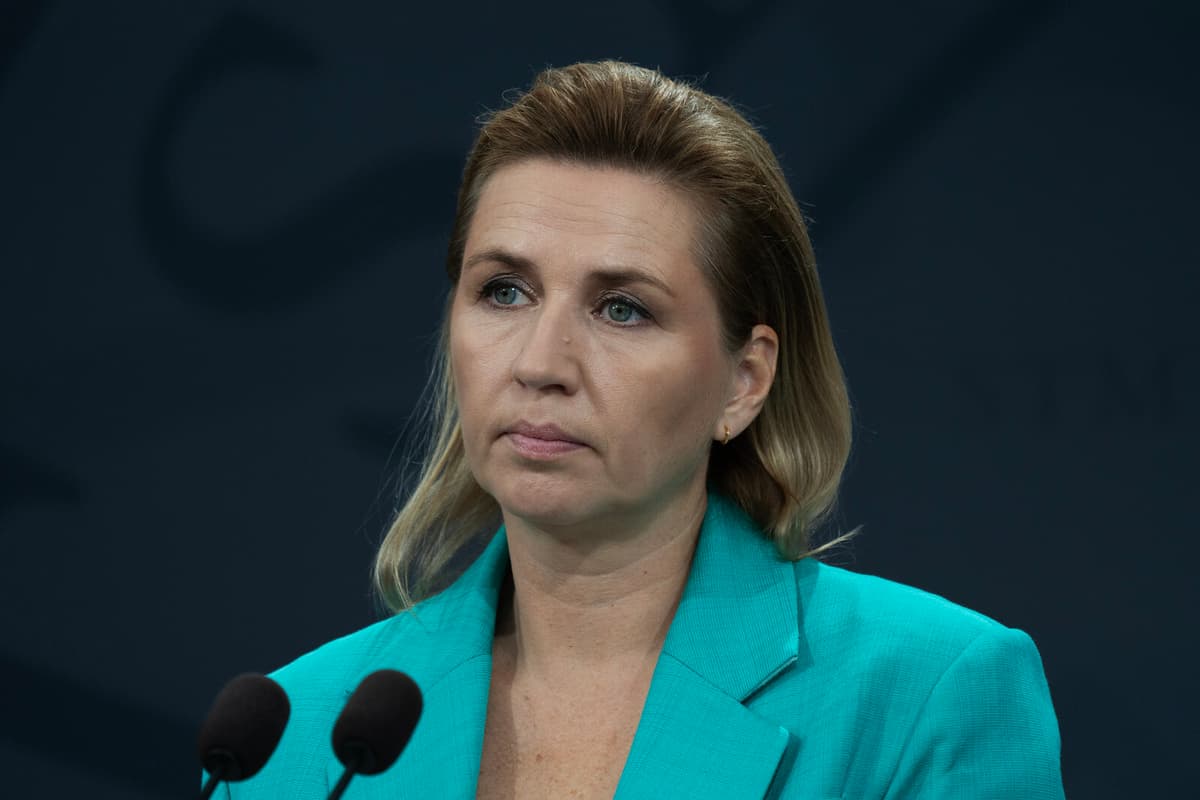
“It wasn’t a declaration of hostility,” said one senior EU diplomat briefed on the memo, speaking on the condition of anonymity to discuss classified materials. “But it reflects a larger anxiety: if U.S. foreign policy swings dramatically from year to year, allies are forced to plan for scenarios that would have been unthinkable a decade ago.”
Concerns Rooted in Recent Tensions
The memo reportedly references several diplomatic episodes that strained U.S.–European relations in recent years, including disagreements over military funding, trade policies and public criticisms of NATO partners. It also notes the increase in domestic legal controversies involving Mr. Trump, which some European officials privately worry could affect diplomatic continuity depending on how they unfold.
Analysts say such concerns, while not new, have intensified as European governments confront the possibility of rapid shifts in U.S. policy.
“European allies have always depended on a degree of American predictability,” said Henrik Larsen, a political scientist at the University of Copenhagen. “When that foundation seems less stable, even routine intelligence assessments become more guarded.”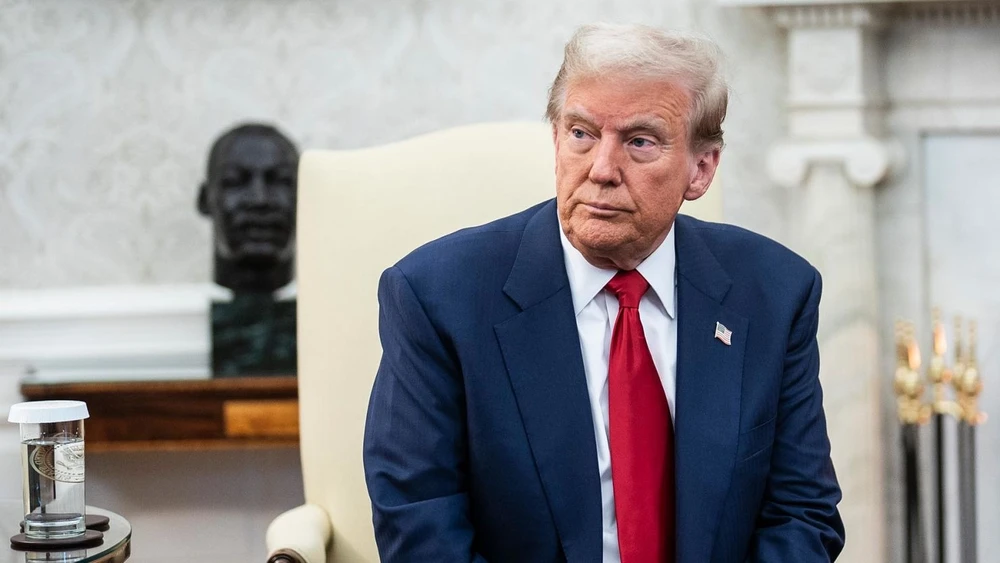
Washington Pushes Back
U.S. officials rejected suggestions that American allies should view Washington with increased caution. A spokesperson for the State Department said that despite disagreements, the U.S. commitment to European security “remains unwavering,” adding that “isolated interpretations of leaked documents should not be conflated with formal diplomatic assessments.”
Privately, however, some U.S. officials acknowledged that allies often struggle to adapt to domestic political volatility in Washington. “They’ve had to get used to faster swings than before,” one Defense Department official said.
A Broader European Recalibration
The Danish memo arrives as several European nations accelerate defense coordination and contemplate long-term strategies that assume less consistency from Washington, regardless of which party controls the White House.
Some analysts argue this shift is part of a broader recalibration rather than a rupture. “Europe isn’t turning away from the U.S.,” said Kristine Dahl, a former Danish diplomat. “But it is preparing for a world where American priorities may change sharply — and without consultation.”
What Comes Next
For now, the leak has generated more diplomatic questions than answers. Danish officials have neither confirmed nor denied the authenticity of the circulated excerpts, and European leaders have avoided public commentary in an effort to prevent escalation.
Still, the episode underscores a quietly growing concern across Europe: uncertainty in Washington may increasingly shape strategic planning abroad. And as one Nordic official put it, “When even close allies start preparing for unpredictability, it tells you something about the moment we’re living through.”