🔥 Shock to NATO: Denmark Labels U.S. a Security Risk as Allies Pull Back Intelligence Sharing
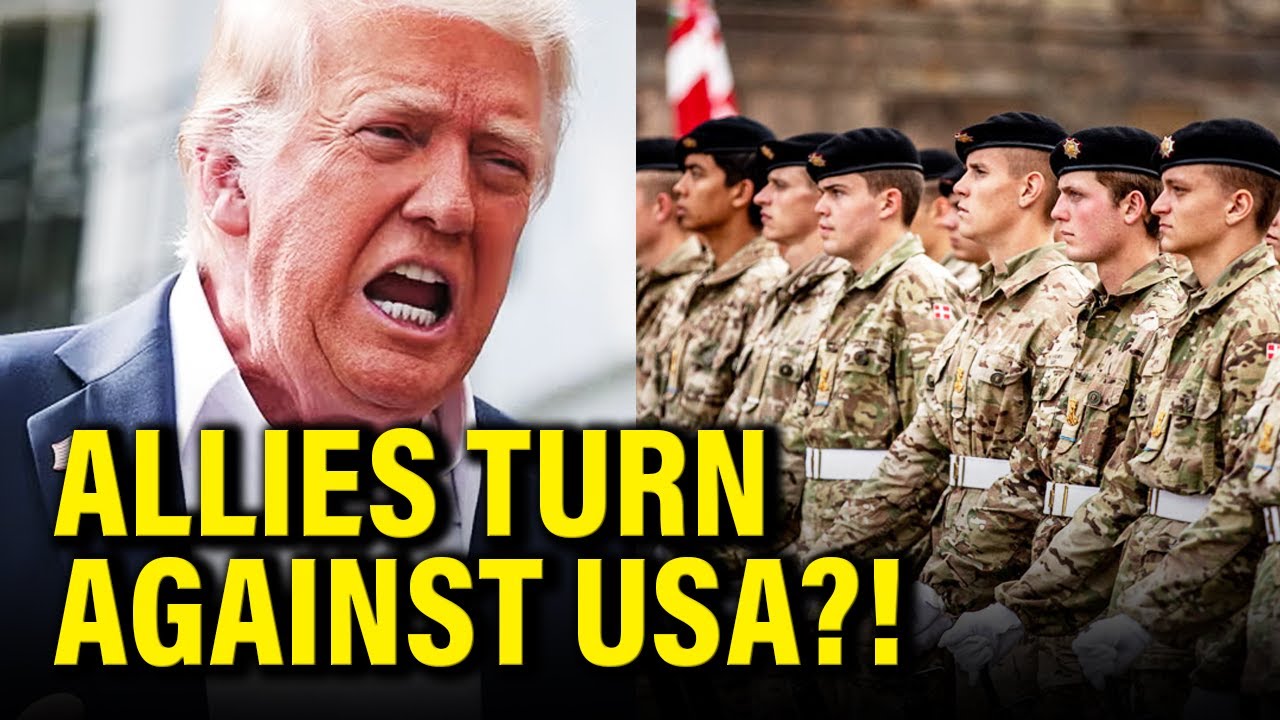
For the first time in modern history, a close NATO ally has formally classified the United States as a potential national security risk. Denmark’s Defense Intelligence Service stunned observers this week by naming the U.S.—alongside Russia and China—as a source of growing security concern, citing uncertainty about Washington’s role under the Trump administration.
The report reflects rising anxiety among allies over how the United States is using its economic and military power. Danish officials pointed directly to threats involving Greenland, aggressive trade tactics, and the growing willingness to use force—even against partners—as reasons the U.S. can no longer be viewed as a predictable guarantor of European security.
This is not an isolated diplomatic flare-up. Denmark’s warning comes as other allies openly question Washington’s judgment. France has criticized recent U.S. military actions as potential violations of international law, while allied governments privately express concern that American policy has become impulsive and legally questionable.

Most striking is the quiet rupture with the United Kingdom, America’s closest intelligence partner since World War II. British officials have reportedly suspended sharing certain intelligence related to Caribbean operations, fearing that U.S. military strikes on suspected drug vessels could violate international law and expose the UK to complicity in unlawful killings.
According to multiple reports, those strikes—conducted without traditional interdiction procedures—have resulted in dozens of deaths. British officials, along with lawmakers from both parties in the U.S., have raised alarms about due process, proportionality, and the risk of extrajudicial killings, triggering bipartisan scrutiny and calls for investigations.
Despite the tension, Danish lawmakers stress that NATO itself is not collapsing. Denmark and the U.S. remain treaty allies bound by Article 5, with a shared history of fighting side by side in Afghanistan, Iraq, and beyond. But alliance loyalty, they warn, cannot survive sustained belittlement, threats, and unilateral actions that undermine shared values.

At stake is more than diplomatic goodwill. Intelligence sharing is built on trust, not treaties alone. When allies hesitate to share sensitive information, it weakens collective defenses against terrorism, cyber threats, and espionage—ironically making everyone less safe, including the United States.
The deeper message from Copenhagen and London is unmistakable. Military power without restraint erodes credibility. Leadership without consultation breeds instability. And for the first time in generations, America’s allies are not just disagreeing with Washington—they are planning around it. That shift marks a profound warning about the long-term cost of foreign policy driven by force rather than trust.