Justice Department Faces Intensifying Scrutiny Over Handling of Epstein Files After Survivor’s Identity Was Left Unredacted
WASHINGTON — What was intended to be a defining moment of government transparency has instead ignited a widening political and legal storm, after the Department of Justice acknowledged that it failed to redact the name of a survivor of Jeffrey Epstein in documents released under the recently enacted Epstein Files Transparency Act.

The survivor, identified in public records despite having previously requested confidentiality, has formally notified the Justice Department that the disclosure violated federal victim protection laws. In a letter sent to the department and shared with members of Congress, she said the release exposed her identity to the public while the government continues to deny her access to her own investigative files.
“I did what victims are told to do,” she wrote, according to people familiar with the letter. “I reported Jeffrey Epstein to the FBI in 2009.”
The Justice Department confirmed that some files were released without complete redactions and said it is reviewing the matter. Officials have not publicly explained how the error occurred or why the survivor’s name appeared unredacted in multiple documents while much of the remaining material was heavily obscured.

The controversy has compounded criticism already surrounding the rollout of the Epstein Files Transparency Act, a rare bipartisan measure passed overwhelmingly by Congress and signed into law by President Donald Trump on November 19, 2025. The legislation required the Justice Department to release all unclassified materials related to Epstein — including FBI records, photographs and communications — within 30 days, while explicitly mandating that identifying information of victims be protected.
Instead, the initial release on December 19 included thousands of pages that were so extensively redacted that many lawmakers, journalists and advocates described them as functionally unreadable. Entire pages were blacked out, searchable indexing tools were absent, and several files were removed from public access shortly after appearing online.
Lawmakers from both parties have accused the department of violating both the letter and spirit of the law.
“This was not transparency,” said Representative Ro Khanna, one of the bill’s sponsors. “It was a selective disclosure that protected powerful individuals while failing to protect victims.”
Some lawmakers have suggested that Attorney General Pam Bondi could face contempt proceedings if the department fails to comply fully with the statute’s requirements, including a provision requiring the release of an unredacted list of government officials and politically exposed individuals referenced in the documents — a list that has not yet been published.
The Justice Department has said additional materials will be released in the coming weeks, emphasizing that redactions were necessary to protect victims and sensitive information. Victim advocates, however, argue that the logic collapses in light of the unredacted disclosure of a survivor’s name.
“That contradiction is the most alarming part,” said one attorney representing Epstein survivors. “The government claims it needs months to review files to protect privacy, yet it publicly exposed a victim who had already sought protection.”
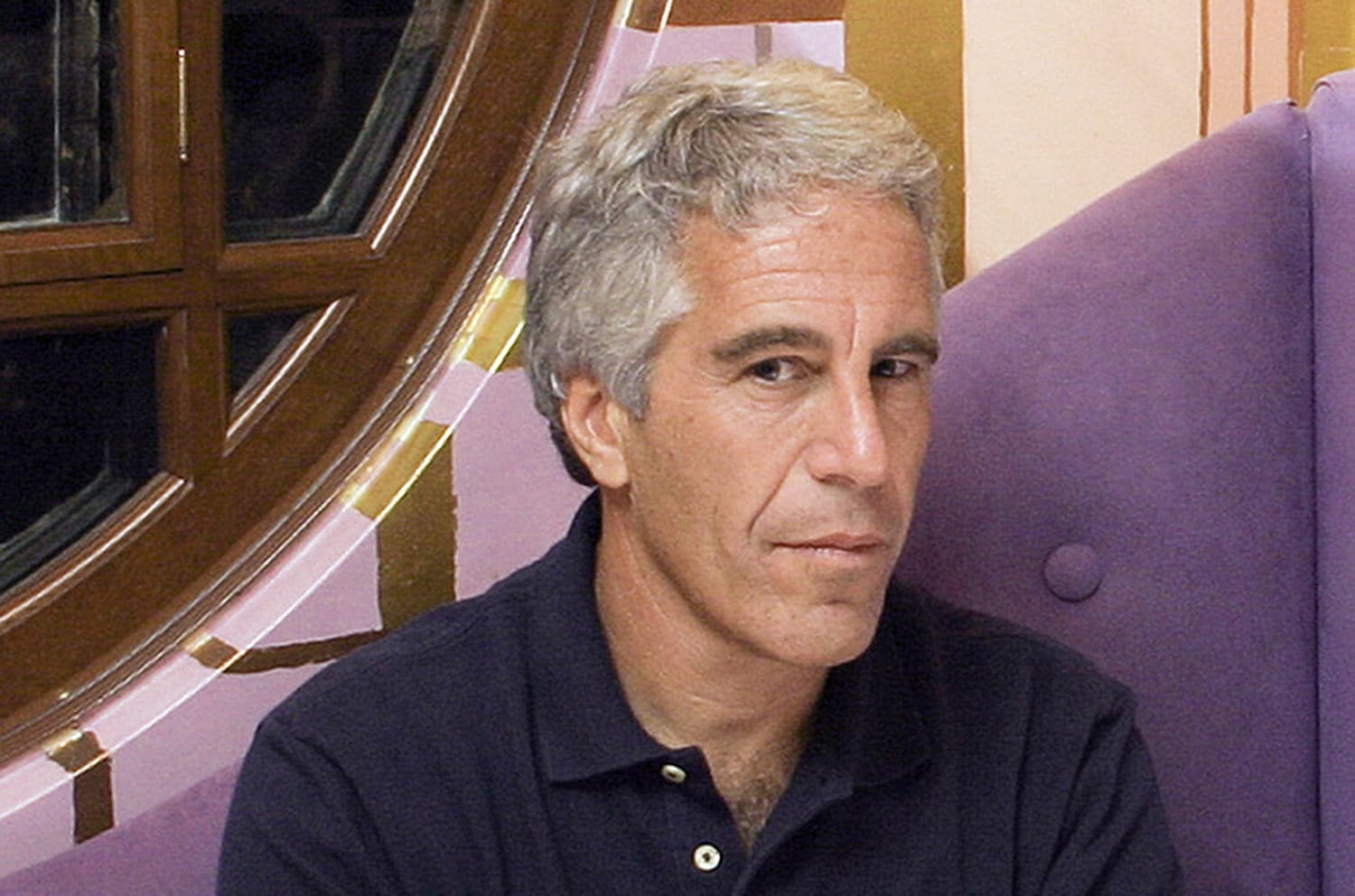
The mishandling has also intensified political pressure on President Trump, who opposed earlier efforts to release the Epstein files before ultimately signing the bill amid mounting bipartisan support. Since the controversy erupted, Mr. Trump has largely avoided public comment on the issue, a departure from his typically confrontational media posture.
Critics argue that the administration’s approach has transformed what might have been a contained disclosure into a prolonged crisis.
“This drip-by-drip release, combined with missing files and heavy redactions, has only fueled suspicion,” said a former Justice Department official. “The longer this continues, the worse it looks.”
The released materials include flight logs, photographs from Epstein’s properties, and investigative records dating back decades. Images showing Epstein alongside prominent political figures, including former President Bill Clinton, circulated widely online, while the absence — and subsequent removal — of other photographs prompted speculation and calls for further inquiry.
For survivors, however, the focus has shifted away from celebrity associations and toward accountability.
In her letter, the survivor described the disclosure as “institutional failure layered on historic injustice,” arguing that the government appeared more concerned with shielding influential names than safeguarding those harmed by Epstein’s crimes.
Advocacy groups have echoed that sentiment, warning that the episode could deter future victims from coming forward.
“These files are not just data,” said one victim advocate. “They represent real people and real trauma. When the government mishandles them, the consequences are profound.”
As Congress considers next steps, including potential hearings, the Justice Department faces mounting pressure to correct the errors, release the remaining documents in compliance with the law, and explain how a process meant to restore public trust instead deepened public skepticism.
At the center of the controversy remains a question lawmakers and survivors alike continue to press: Who, exactly, is the system protecting — and at what cost?