Sweden’s Fighter Proposal to Canada Triggers Strategic Debate in Washington
OTTAWA — A high-level defense meeting between Canada and Sweden has intensified debate over the future of Canada’s fighter jet fleet, drawing attention in Washington and across NATO capitals.

According to defense officials familiar with the discussions, Sweden presented Canada with an expanded industrial and operational partnership proposal centered on the Saab JAS 39 Gripen E. While Canada has already committed to acquiring the F-35 Lightning II, the Swedish outreach has been interpreted by analysts as an attempt to reopen broader questions about sovereignty, industrial participation and Arctic readiness.
The Core of the Proposal
Sources indicate Sweden’s pitch extended beyond aircraft acquisition. The proposal reportedly emphasized:
- Domestic production participation within Canada
- Expanded technology transfer
- Greater autonomy over software and mission systems
- Broader industrial offsets tied to aerospace manufacturing
Saab, Sweden’s primary aerospace manufacturer, has historically positioned the Gripen as a platform designed for operational flexibility, including dispersed basing and cold-weather environments. Analysts note that such framing aligns closely with Canada’s Arctic defense requirements.
However, no official confirmation has been issued that Canada intends to alter its F-35 procurement path. Canadian defense authorities have reiterated that existing contracts remain in place.
Washington’s Reaction
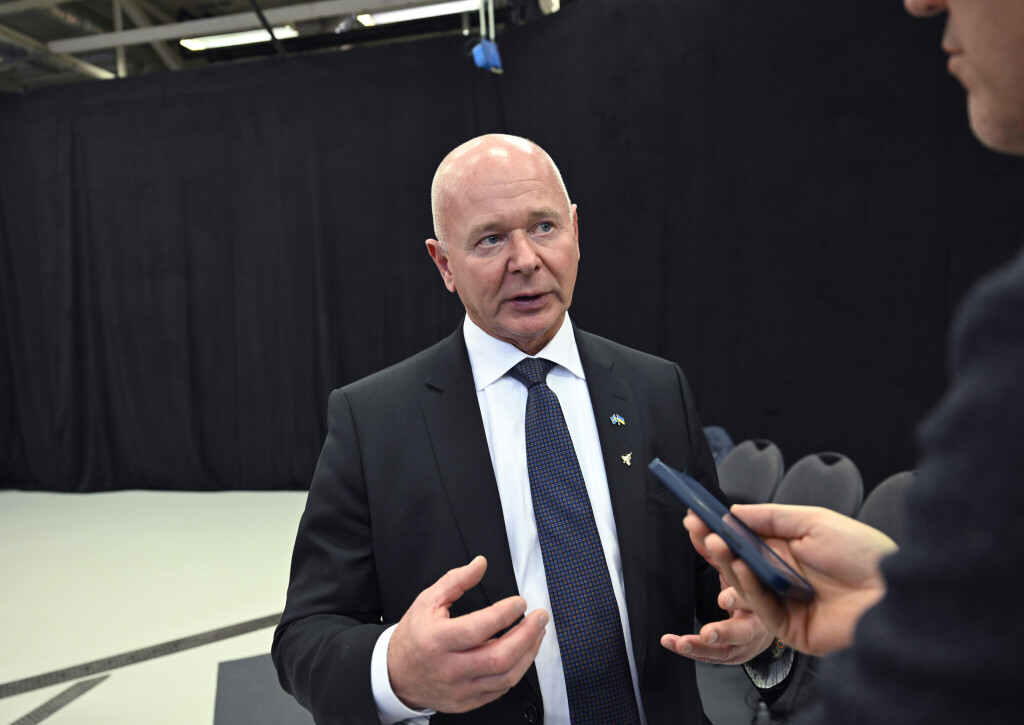
U.S. defense officials have publicly emphasized the importance of interoperability within NATO and North American defense frameworks, particularly through NORAD cooperation.
The F-35 program serves not only as a weapons system but also as a networked platform integrating intelligence sharing, joint operations and standardized logistics among allied air forces. A significant departure from that ecosystem would raise operational coordination questions.
Privately, analysts in Washington view Sweden’s approach less as a direct contract challenge and more as a strategic signal — that allied nations are increasingly seeking greater control over software, mission data and upgrade pathways.
Arctic and Industrial Considerations
Canada’s Arctic geography introduces unique operational variables. Aircraft must operate from remote runways, withstand extreme temperatures and maintain rapid turnaround capacity in sparse infrastructure environments.
Proponents of diversified procurement argue that sovereignty over software and mission customization is becoming as strategically relevant as airframe performance. Critics counter that alliance integration and stealth capability remain decisive in modern air warfare.
From an industrial standpoint, expanded domestic manufacturing could provide economic benefits. However, transitioning away from established multinational programs carries financial and logistical risk.
A Broader Strategic Context
Sweden’s recent accession to NATO has strengthened Nordic defense coordination. Some defense analysts speculate that closer Nordic-Canadian aerospace collaboration could align with evolving Arctic security priorities.
Yet officials caution against overstating the immediacy of any shift. Canada’s fighter replacement process has spanned years of evaluation, negotiation and parliamentary review.
“This is not simply an aircraft comparison,” said one defense policy expert in Ottawa. “It’s a long-term strategic alignment question — industrially, militarily and politically.”

What Comes Next
At present, no formal renegotiation of Canada’s existing fighter acquisition has been announced. The Department of National Defence has declined to comment on speculative reports of alternative offers.
What is clear is that Sweden’s engagement has injected renewed discussion into a procurement decision often considered settled. Whether that discussion leads to policy change remains uncertain.
For now, the episode underscores a broader trend: mid-sized powers are increasingly weighing technological sovereignty alongside alliance cohesion — and defense procurement is becoming a reflection of that balance.