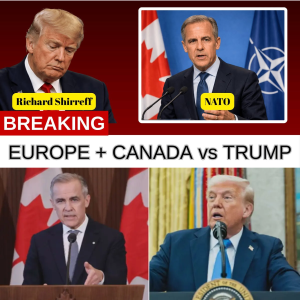
🚨 Global Defense Shock: Allies Quietly Recalculate as Trust in U.S. Fighter Jet Dominance Cracks
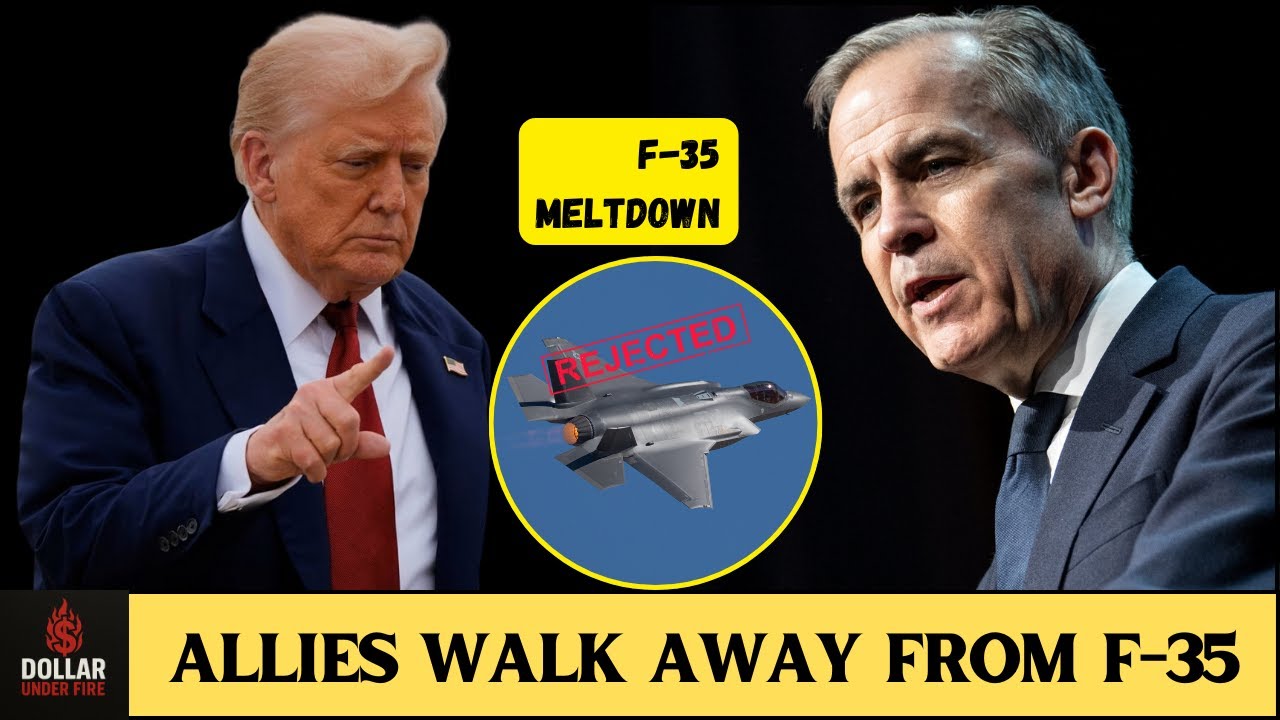
Something rare just happened in global defense, and it didn’t involve missiles or troops. It began with trust quietly eroding. For decades, buying U.S. fighter jets symbolized loyalty, stability, and unshakable alliances. That assumption fractured when two of America’s closest partners made calm but decisive moves that rattled Washington and defense markets worldwide.
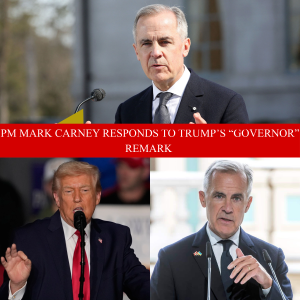
Canada fired the first signal by pausing its historic F-35 fighter jet deal. Officially, the contract wasn’t canceled—but in defense politics, a pause of this scale speaks volumes. Amid renewed tariffs, economic pressure, and inflammatory rhetoric under Donald Trump’s second-term posture, the deal shifted from a security asset to a political liability. Ottawa wasn’t questioning the jet’s performance; it was questioning America’s reliability as a partner.

While Washington digested Canada’s move, Switzerland followed with a quieter but equally consequential decision. Bound by a strict voter-approved spending cap, Bern reduced its F-35 order after costs surged far beyond expectations. In Switzerland’s system, exceeding the budget isn’t a technical issue—it’s a democratic breach. The result exposed a new reality: even the most stable buyers now see U.S. defense contracts as financially and politically fragile.
Behind the scenes, trade pressure amplified the tension. As Switzerland negotiated tariffs and investment commitments with Washington, the fighter jet deal became entangled with economic leverage. Public support eroded fast, with polls showing a majority open to scrapping the F-35 entirely. Allies weren’t turning anti-American; they were reacting to unpredictability when defense purchases start feeling like bargaining chips.
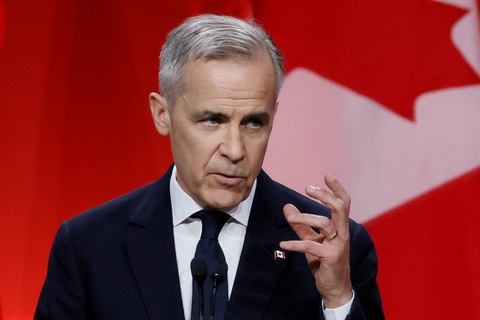
The war in Ukraine added another layer of strain. U.S. production capacity tightened as priority shifted to large NATO states and emergency transfers. Smaller countries slipped down the queue, facing delays and uncertainty. Switzerland admitted its reduced order couldn’t adequately defend its airspace, revealing a deeper issue: dependency becomes vulnerability when surplus capacity disappears.
Canada chose a different path—rebuilding sovereignty at home. Ottawa announced new purchases from Bombardier, backed by an $82 billion defense reset focused on domestic capability, Arctic security, and faster procurement. Markets reacted instantly. Investors understood the message: diversification isn’t rebellion, it’s insurance against political volatility.
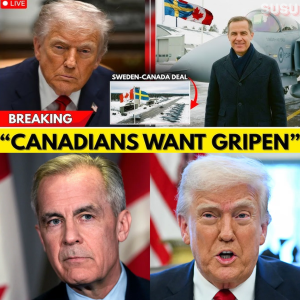
That strategy may go even further. Talks between Bombardier and Sweden’s Saab about building Gripen fighter jets in Canada signal a potential industrial shift. Local production would mean supply certainty, leverage, and insulation from foreign pressure. Combined with Bombardier’s aggressive expansion into defense systems and drones, Canada is quietly positioning itself with options it hasn’t had in decades.
This isn’t the collapse of U.S. defense dominance—but it may be the end of unquestioned trust. Canada didn’t walk away, and Switzerland didn’t protest loudly. They recalculated. In global power dynamics, silent recalculation is often the most consequential move of all. When allies start planning around uncertainty instead of assuming stability, leverage shifts—and once trust fractures, it rarely returns the same way.