WASHINGTON — What Republican leaders had hoped would be a carefully managed disclosure has instead erupted into a political crisis, as the release of heavily redacted files connected to Jeffrey Epstein fueled accusations of a cover-up, exposed fractures within the party, and intensified scrutiny of the administration of Donald Trump.
The documents, released by the United States Department of Justice late this week, arrived with broad sections blacked out and references missing altogether. Within hours, they were circulating widely online—prompting outrage from critics, confusion among supporters, and a wave of pointed questions on Capitol Hill.
Republican leaders initially sought to project confidence. Several went before cameras to describe the release as a fulfillment of long-standing promises of transparency. “Mission accomplished,” one senior lawmaker said. The phrase quickly became a rallying cry for skeptics, who noted that the documents appeared to reveal little new information and raised fresh doubts about what remained hidden.
From Confidence to Damage Control
Behind closed doors, according to multiple aides familiar with the discussions, the mood shifted rapidly. What had been framed as a controlled rollout became an exercise in damage control as social media reaction turned sharply negative. Clips of press conferences, paired with images of heavily redacted pages, spread quickly, undercutting claims that the public had been given meaningful access to the truth.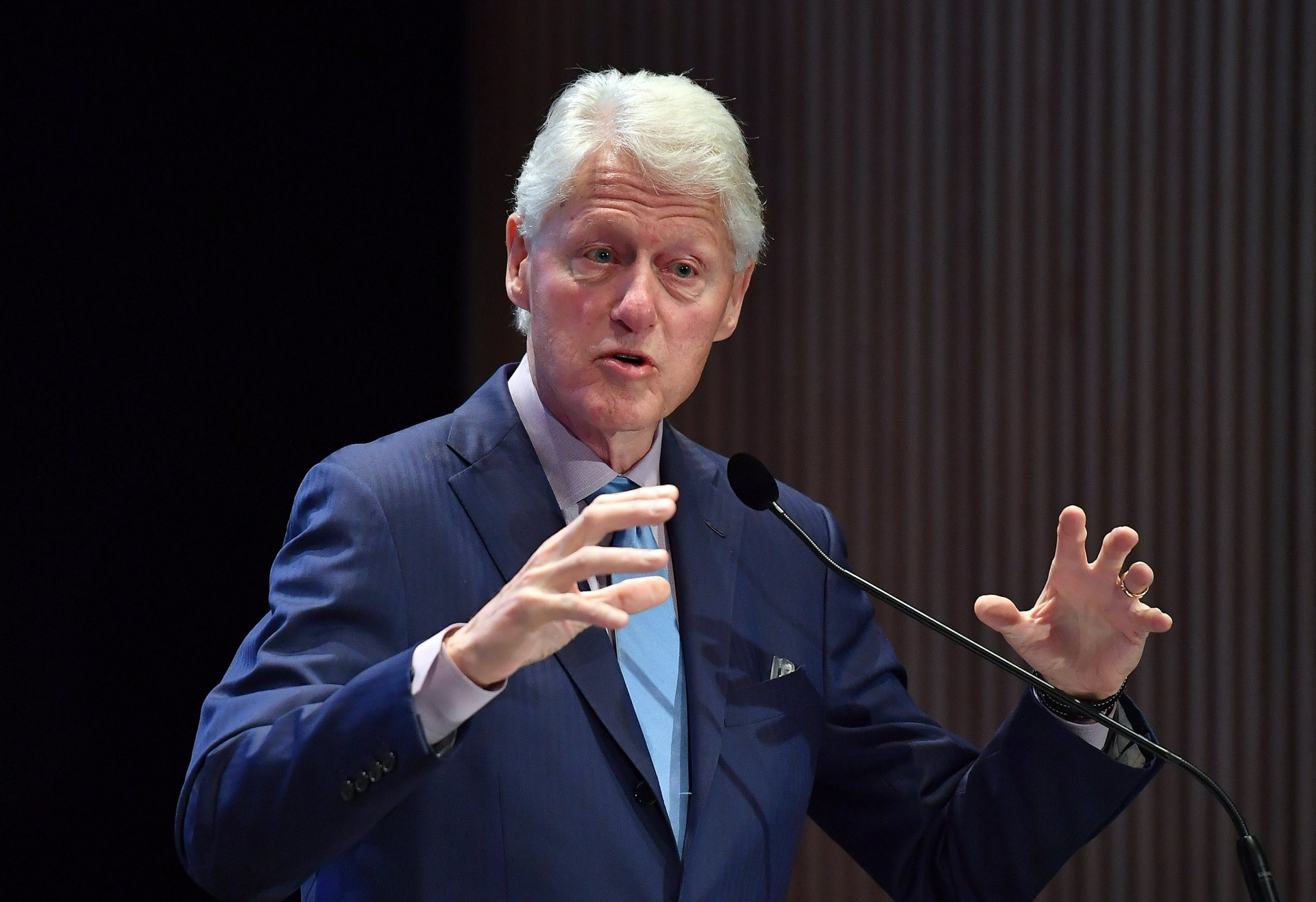
Critics argued that the release appeared selective, redirecting attention toward familiar figures while obscuring others. Survivor advocacy groups said the approach compounded years of frustration. “Transparency is not black ink on white paper,” one advocate said. “It’s accountability.”
Legal analysts echoed that concern, noting that while redactions are often necessary to protect privacy and ongoing investigations, the scale of the omissions was striking. “When nearly every substantive passage is obscured, the public reasonably asks what purpose the release serves,” said a former federal prosecutor.
Party Loyalty Tested
The controversy has begun to strain party unity. Some Republican lawmakers, while stopping short of outright criticism, acknowledged privately that the rollout had been mishandled. Others warned that continued secrecy could alienate voters already skeptical of institutions.
Democrats seized on the moment, framing it as evidence of a broader failure to confront elite wrongdoing. Calls for oversight hearings grew louder, and several committees signaled interest in examining how the Justice Department determined what to release and what to withhold.
The White House has largely avoided direct engagement, referring questions to the Justice Department. In a brief statement, department officials said redactions were made “to comply with the law and protect sensitive interests,” and emphasized their commitment to transparency “where legally permissible.”
Online Backlash and Legal Pressure
Outside Washington, the reaction has been relentless. Hashtags questioning who is being protected trended across platforms, while commentators dissected the documents line by line. The speed with which the narrative turned surprised even seasoned political operatives.
Legal pressure is also mounting. Advocacy groups are exploring court challenges to compel fuller disclosure, and some lawmakers are discussing subpoenas to obtain unredacted materials for closed-door review.
“This is no longer just a political issue,” said a constitutional law professor. “It’s a test of whether the government can maintain public trust when dealing with allegations that implicate power and privilege.”
An Uncertain Path Forward
For Republicans, the episode represents a risky moment. Having championed transparency, they now face accusations that the promise was hollow. For the Justice Department, the challenge is restoring credibility while navigating legal constraints that limit what can be revealed.
What began as a long-awaited document release has become a flashpoint in a broader debate over secrecy, accountability and the limits of public disclosure. As one senior aide put it, “The problem isn’t just what was released. It’s what people now believe is still being hidden.”
With pressure intensifying and confidence eroding, Washington appears braced for further fallout—proof that in an era of deep mistrust, partial answers can be more destabilizing than silence.