Canada is experiencing a seismic shift in its immigration policy as Prime Minister Mark Carney announces a significant reduction in immigration targets. Amid soaring rents, overcrowded hospitals, and strained public services, the federal government is taking decisive steps to restore balance and stability to its systems, prioritizing Canadians’ needs.
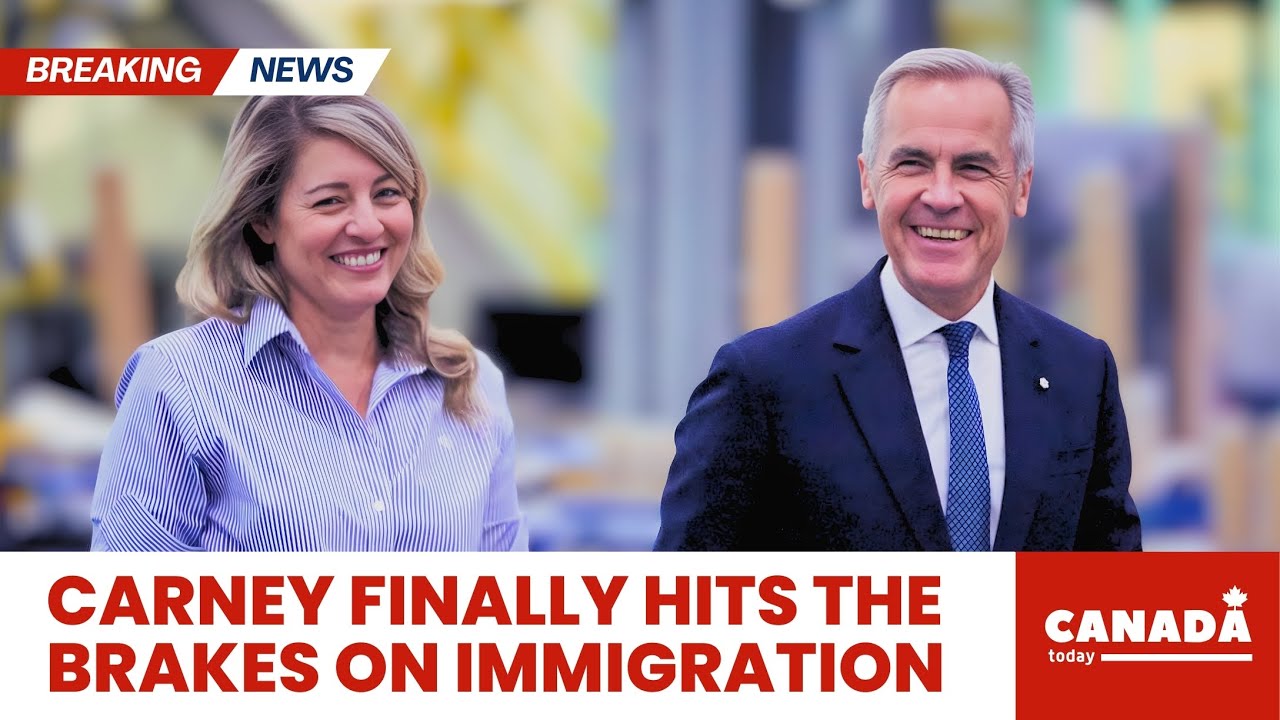
In a move that has sent shockwaves through the nation, Ottawa has slashed its immigration targets from 395,000 last year to 380,000 for 2025. This strategic recalibration comes after a record influx of over 483,000 new permanent residents in 2024, a surge that has reshaped cities and strained essential services. Carney’s administration is not merely pausing immigration; it is setting a new baseline for sustainable growth.
The implications of this decision are profound. By reducing the number of newcomers, the government aims to alleviate pressure on the housing market, which has long been outpaced by population growth. With demand skyrocketing and supply lagging, home prices have soared, forcing many young Canadians to delay homeownership and families to downsize involuntarily. Carney’s plan seeks to stabilize the market, allowing builders time to catch up and provinces to align zoning and infrastructure.

Education is another sector feeling the impact of this reset. The number of new student visas will plummet from over 400,000 to just 155,000 this year, a necessary correction to avoid overwhelming cities and rental markets. This shift forces educational institutions to ensure they can support incoming students adequately, restoring credibility to Canada’s education system.
Healthcare and education systems have also been buckling under the weight of rapid population growth. By slowing immigration, provinces will gain crucial time to train healthcare workers, expand facilities, and properly plan for school capacities. This is not just about limiting numbers; it’s about ensuring that those already in Canada are not left behind.

Moreover, the labor market stands to benefit from this strategic slowdown. With fewer workers competing for the same jobs, wage growth can strengthen, providing better conditions for Canadian-born workers and recent graduates. Carney’s approach is not about shutting doors; it’s about preventing oversaturation and ensuring sustainable growth.

This bold decision reflects a broader strategy encompassing middle-class tax cuts, automatic tax filing for low-income Canadians, and a commitment to prioritizing Canadian suppliers and workers. Carney is not seeking applause but rather building a coherent policy framework that aligns population growth with economic and infrastructure planning.
In a political landscape where immigration is often treated as a taboo topic, Carney’s willingness to address this complex issue head-on is both courageous and necessary. By reinforcing Canada’s foundations and prioritizing stability over slogans, he is setting a course for a more sustainable future. As the nation watches closely, the question remains: will Canadians embrace this new vision?