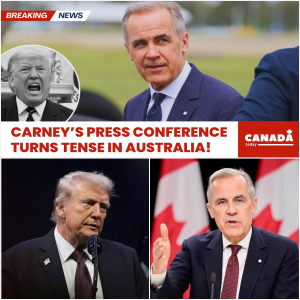
Canada Pushes Back as Trump’s NATO Rhetoric Triggers Global Alarm
OTTAWA — Canada is stepping into an unfamiliar role on the world stage: not merely as a reliable ally, but as a central stabilizing force in a Western alliance rattled by renewed uncertainty from Washington.
In recent days, Prime Minister Mark Carney has emerged as one of the most forceful voices pushing back against rhetoric and actions associated with former President Donald J. Trump that allies fear could fracture NATO and destabilize the transatlantic security order. At the center of the growing concern is Greenland — a semi-autonomous Danish territory whose strategic Arctic location has become a flashpoint in broader debates about sovereignty, defense, and American power.
Mr. Carney has made Canada’s position unambiguous: Greenland’s future is a matter for Greenland and Denmark alone, and any attempt to alter that status through force would place the NATO alliance in uncharted and dangerous territory.
“The sovereignty and territorial integrity of Denmark, including Greenland, must be respected,” Mr. Carney said after a call with German Chancellor Friedrich Merz, emphasizing that Canada and Germany are coordinating closely on Euro-Atlantic security.
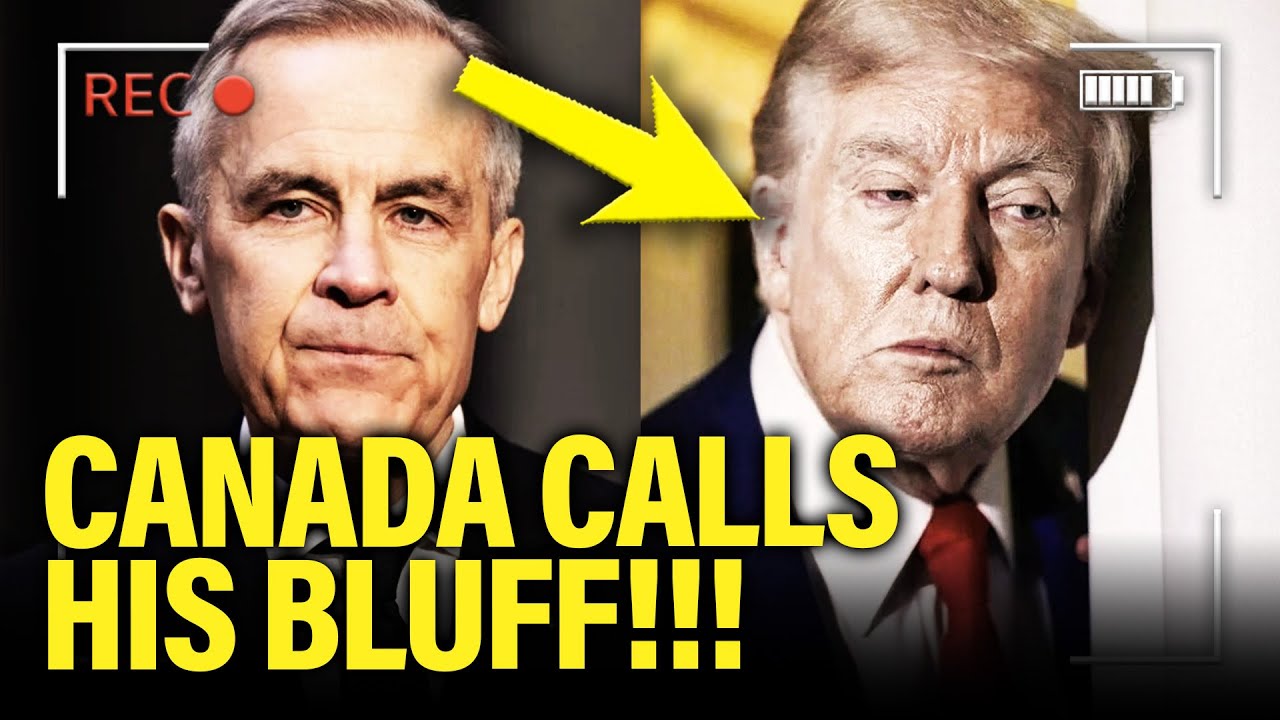
A Rare Public Recalibration
Canada’s assertiveness marks a departure from its traditionally cautious diplomatic posture. But officials say the moment demands clarity. With Mr. Trump openly questioning NATO commitments and repeatedly expressing interest in Greenland during his political resurgence, allies are recalculating how to respond if rhetoric turns into action.
In interviews and public remarks in Paris, Mr. Carney framed the issue not as a bilateral dispute with the United States, but as a test of NATO’s western flank at a time of rising Arctic militarization.
“The Arctic and Greenland are areas where NATO must invest more, given the evolving threat environment,” Mr. Carney said, noting Canada’s expanding military and surveillance presence in the region and deeper cooperation with Nordic partners.
That framing is deliberate. By anchoring the Greenland question within NATO’s collective defense architecture, Canada is signaling that any unilateral action would not be viewed as an internal American matter, but as a direct challenge to alliance norms.
Quiet Diplomacy, Public Signals
Behind the scenes, Canadian officials have intensified diplomatic outreach. Mr. Carney has spoken with leaders across Europe and the Global South, including Brazil’s President Luiz Inácio Lula da Silva, as governments quietly explore ways to reinforce mutual defense commitments amid doubts about U.S. reliability.
Brazil, Spain, Germany, and other countries have held discussions on closer coordination — not as a replacement for NATO, officials insist, but as a hedge against unpredictability. The conversations reflect a broader anxiety: that the post-World War II security order depends too heavily on American consistency.
Canada has also condemned Russia’s recent missile strikes on Ukraine with unusual bluntness, stepping into a role Washington once filled automatically.
“Canada condemns Russia’s launch of an intermediate ballistic missile targeting Ukrainian energy infrastructure and civilian areas,” Mr. Carney said. “This is a clear and dangerous escalation.”
The statement stood out not for its content, but for its symbolism. In the absence of forceful U.S. leadership, Canada was speaking as if the mantle had quietly shifted.
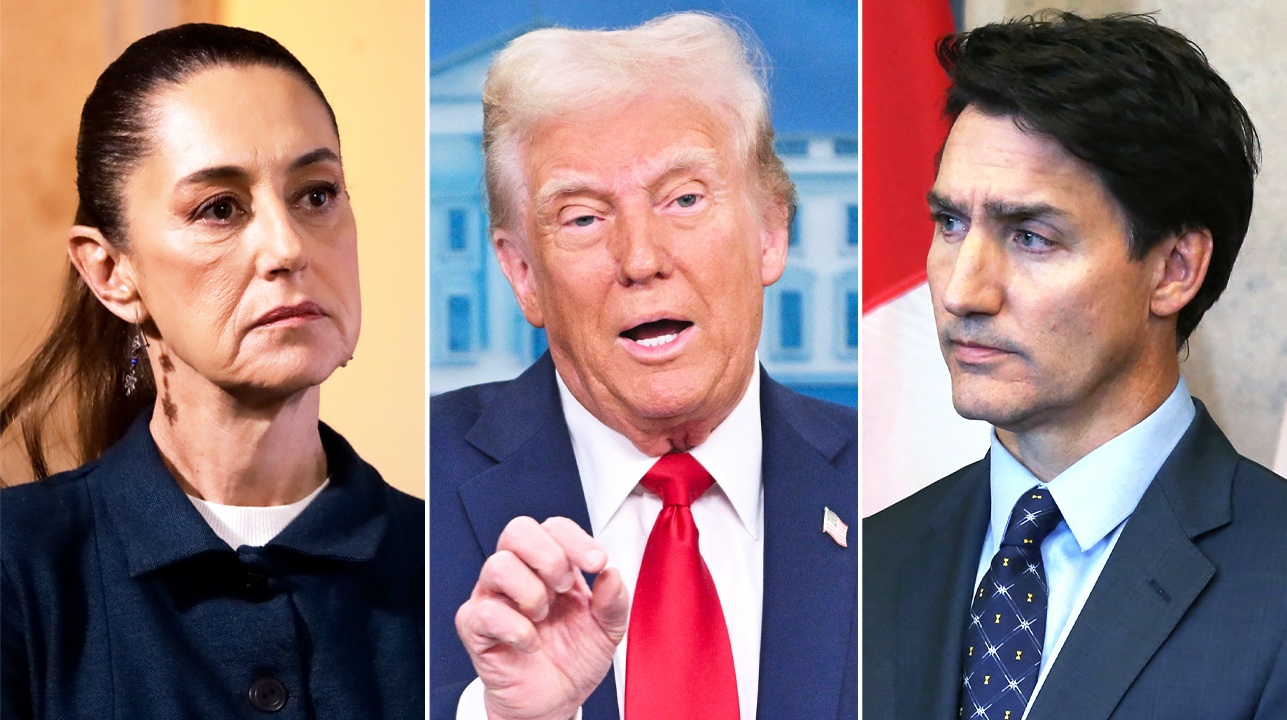
NATO’s Legal Pressure Points
The debate has revived attention to NATO’s lesser-known mechanisms. Denmark could invoke Article 4 of the NATO treaty, which requires consultations when a member’s territorial integrity is threatened. While not a call to arms, Article 4 is often a prelude to more serious measures.
Some analysts warn that failure to respond decisively at that stage could erode the credibility of Article 5, NATO’s collective defense clause.
“If threats go unanswered, deterrence weakens,” said one European security official. “That’s the danger allies are trying to avoid.”
Canadian lawmakers who have attended NATO briefings say the alliance has changed markedly in the past year. Where hesitation and appeasement once dominated discussions, particularly toward Washington, there is now a growing recognition that silence carries its own risks.
Canada’s Strategic Bet
Canada has paired its rhetoric with action. It has expanded its Arctic investments, strengthened its military presence in Latvia, opened a consulate in Greenland, and pursued surveillance capabilities independent of U.S. systems. Officials describe these moves as defensive, but the message is unmistakable: Canada intends to protect its sovereignty and its allies, even if Washington wavers.
Economics have added another layer to the narrative. While U.S. job numbers have faced repeated downward revisions over the past year, Canada has posted steadier employment growth, reinforcing domestic confidence in the government’s approach and bolstering Mr. Carney’s international standing.
A Broader Shift Underway
What is unfolding is not a formal break with the United States, but something more subtle — and potentially more consequential. Allies are planning for contingencies once considered unthinkable. Canada, long accustomed to operating in America’s shadow, is increasingly acting as a connective bridge between Europe, the Arctic, and democratic partners elsewhere.
“This is about preventing a slide into a world where power determines borders,” said one Canadian diplomat. “Once that line is crossed, it’s very hard to restore.”
An Uncertain Path Forward
Much depends on what happens next. Rhetoric does not always become reality, and NATO officials continue to emphasize dialogue and de-escalation. But the fact that allies are openly discussing scenarios involving confrontation within the alliance underscores how strained assumptions have become.
For now, Canada is betting that firmness, coordination, and early pushback can avert a deeper crisis. Whether that strategy succeeds will shape not only the future of Greenland, but the durability of NATO itself.
What was once unthinkable is now openly debated: a world in which the alliance must defend its principles not just from external adversaries, but from internal fracture.