OTTAWA, Feb. 25, 2026 — When Prime Minister Mark Carney declared “Canada is not America” during a nationally televised address last week, the five-word sentence landed like a quiet thunderclap across the country and far beyond its borders. Delivered in response to President Donald J. Trump’s repeated suggestions that Canada should become the 51st state or face punishing tariffs, the line has since become a rallying cry for Canadian sovereignty and a symbol of the deepening rift between the two North American neighbors.
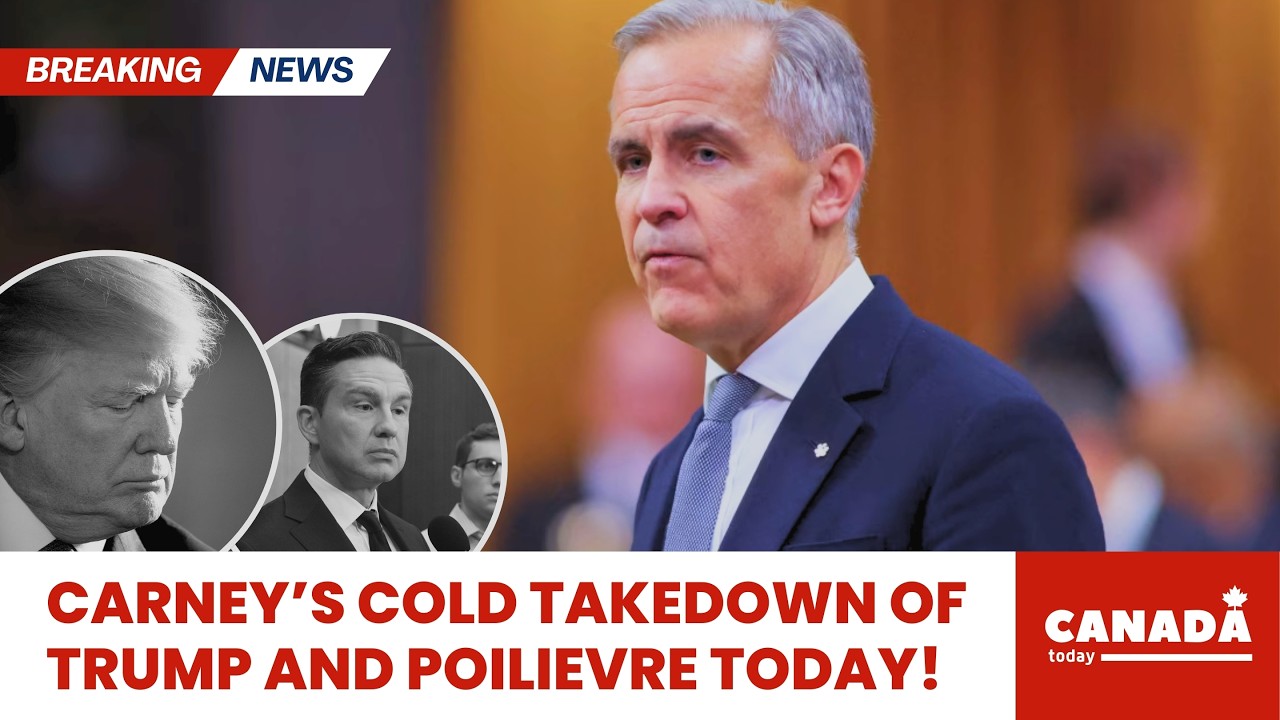
Speaking from Rideau Hall after a tense phone call with Mr. Trump, Mr. Carney chose his words carefully but left no room for ambiguity. “Canada is not America,” he said, pausing for effect. “We are a sovereign nation with our own history, our own values and our own path forward. No amount of economic pressure or rhetorical bullying will change that fundamental truth.” The statement, broadcast live on CBC and CTV, drew immediate applause from the small audience of cabinet ministers and aides in the room and quickly spread across social media, where it has been viewed millions of times.
The remark came amid a cascade of escalating tensions. In recent weeks, Mr. Trump has imposed 25 percent tariffs on Canadian steel, aluminum and softwood lumber, citing national-security concerns and unfair trade practices. He has also revived his long-standing interest in acquiring Greenland — a Danish territory — and suggested Canada’s Arctic resources could fall under U.S. protection if Ottawa does not cooperate. In one Truth Social post, Mr. Trump called Mr. Carney “a failed central banker turned socialist prime minister” and threatened to double tariffs to 100 percent unless Canada “stops cozying up to China” and agrees to renegotiate energy and resource-sharing agreements.
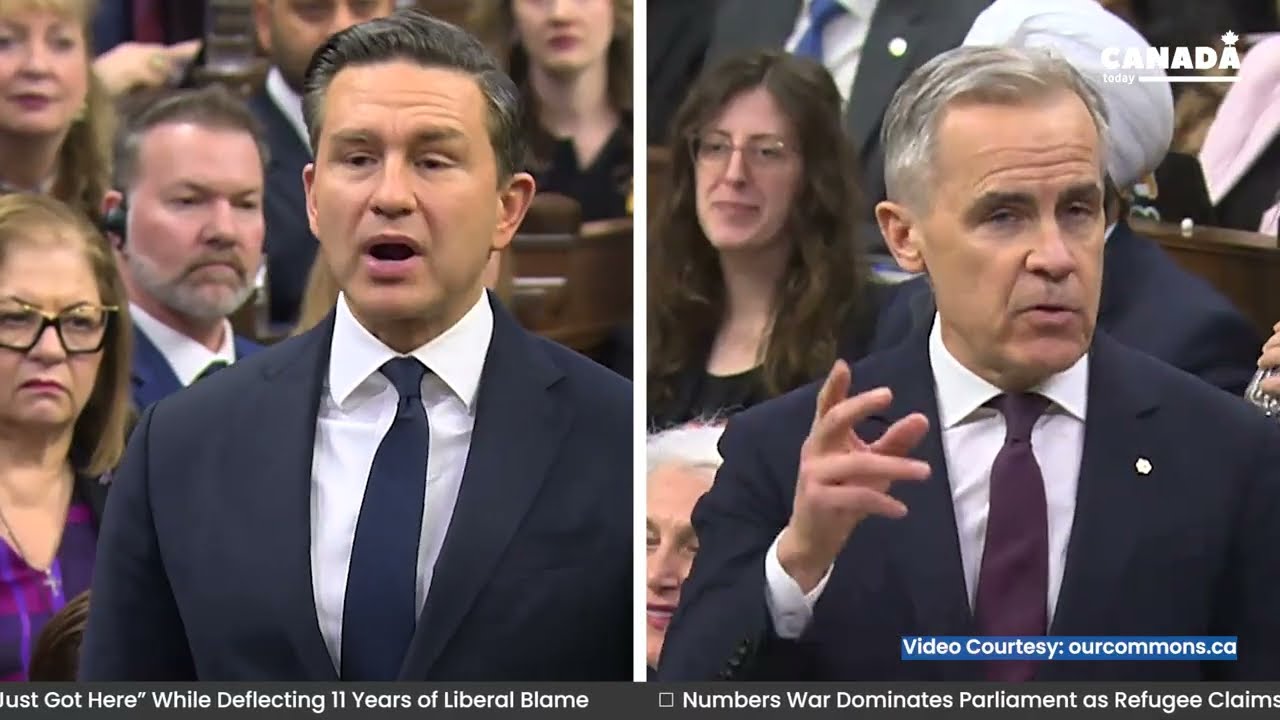
Mr. Carney’s response was deliberate and measured, reflecting both his background as a former governor of the Bank of England and Bank of Canada and his reputation for cool-headed crisis management. Yet the speech marked a sharper tone than any previous Canadian leader has taken toward the United States in decades. Political scientists noted parallels to Pierre Trudeau’s 1980s-era friction with Ronald Reagan over acid rain and Arctic sovereignty, but with a modern edge shaped by today’s economic interdependence and geopolitical stakes.
At home, the line has struck a deep chord. Polling released Tuesday by Angus Reid showed 68 percent of Canadians agreeing with the statement “Canada is not America,” the highest level of national-identity affirmation recorded since the 1995 Quebec referendum. In Alberta, where separatist sentiment has simmered amid grievances over federal carbon policies and perceived weakness toward Washington, Mr. Carney’s words were greeted with cautious approval even among some conservative voters. “He said what needed to be said,” one Calgary energy executive told reporters. “We’re partners, not subordinates.”
In Washington, the reaction was predictably sharp. Mr. Trump posted a series of Truth Social messages calling Mr. Carney “arrogant” and “weak,” and suggested Canada’s economy would “collapse” without U.S. markets. White House press secretary Karoline Leavitt described the speech as “unhelpful grandstanding” but avoided direct threats of further escalation.
The broader context is a relationship under strain. Canada’s limited trade deal with China on electric vehicles and canola — signed last year — prompted U.S. accusations of disloyalty. Mr. Trump’s Greenland rhetoric has forced Ottawa and Copenhagen into closer alignment on Arctic security. And domestic pressures in Canada, including rising separatist talk in Alberta and energy-sector frustration over federal environmental rules, have complicated Mr. Carney’s balancing act.
Analysts say the speech positions Mr. Carney as a global voice for middle powers resisting unilateralism. “He’s signaling that Canada will not be bullied,” said Janice Stein, a professor of political science at the University of Toronto. “But the cost could be high — tariffs, border delays, energy disputes. This is not theater; it’s a high-stakes gamble.”
For now, the phrase “Canada is not America” has become a cultural touchstone, appearing on bumper stickers, protest signs and even a limited-edition T-shirt sold by a Toronto retailer. Whether it marks the beginning of a more assertive Canadian foreign policy or merely a fleeting moment of defiance remains to be seen. What is clear is that the once-unshakable U.S.-Canada partnership is entering uncharted territory, and the words of a former central banker have set the tone for what comes next.