Canada has just delivered the trade shock Donald Trump feared most. In a sweeping overnight reset, Prime Minister Mark Carney announced a landmark agreement with China that reshapes global economic alignments and weakens Washington’s long-standing leverage over Ottawa. Chinese electric vehicle tariffs are being slashed to just 6.1%, canola tariffs are collapsing from a crushing 84% to 15%, and Canadians will now enjoy visa-free travel to China. This is not routine diplomacy — it is a strategic realignment with global consequences.
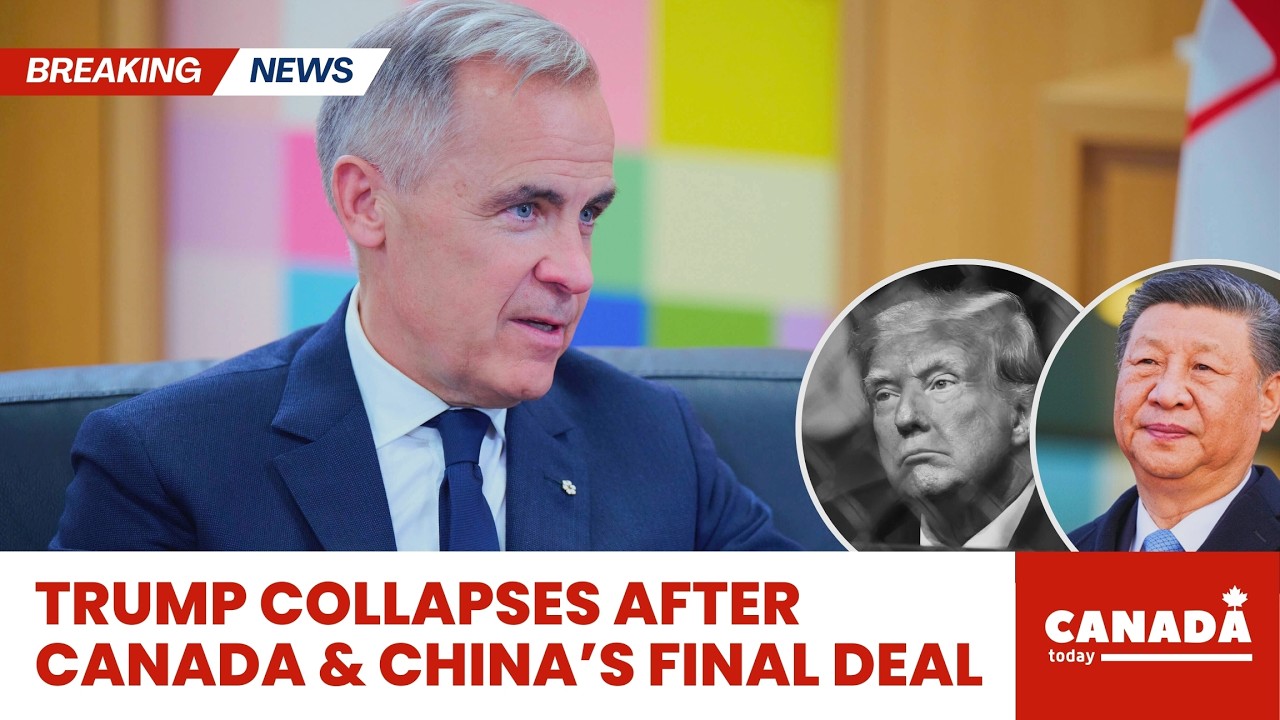
At the heart of the deal is a dramatic opening of Canada’s auto market to China’s world-leading electric vehicle industry. Up to 49,000 Chinese EVs will be allowed into Canada at the most-favored-nation tariff rate, restoring conditions that existed before recent trade frictions. More importantly, both governments confirmed that within three years, Chinese firms are expected to invest in EV manufacturing on Canadian soil. This means Canadian jobs, domestic supply chains, and affordable electric cars — potentially under $35,000 — built inside a G7 economy.
This development directly undercuts Trump’s strategy of isolating Chinese EVs from North America. Vehicles produced in Canada would sit just across the U.S. border, competitive, legal, and difficult to block without provoking major trade disputes. Canada has effectively sidestepped pressure from both Beijing and Washington in one move, building an independent path forward for its auto industry while weakening America’s ability to dictate regional industrial policy.
Agriculture was the second major breakthrough — and politically explosive. China had imposed 84% tariffs on Canadian canola, devastating Western Canadian farmers and freezing billions of dollars in exports. Under the new agreement, tariffs will fall to approximately 15% by March 1, reopening a $4 billion market. Additional relief is expected for canola meal, seafood, and peas, restoring stability to Canada’s agricultural heartland and lifting a pressure point that had constrained Ottawa’s foreign policy.
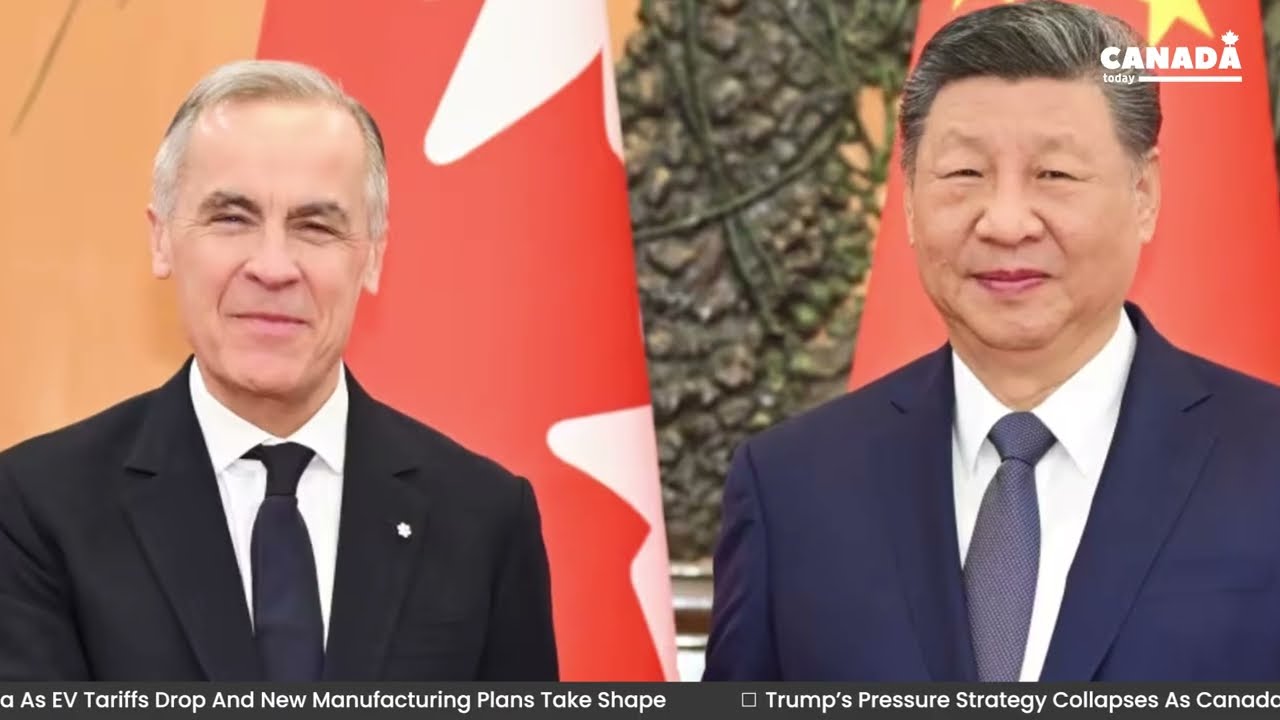
Beyond trade, the visa-free travel agreement signals a deeper normalization of relations. Business delegations, tourists, students, and investors will now move more freely between the two countries, accelerating commercial deals and cultural exchange. This “soft power” layer cements the economic reset, making it harder to reverse as people, capital, and institutions reconnect after years of geopolitical freeze.
Crucially, this is not Canada choosing China over the United States — it is Canada removing dependency. Trump’s aggressive use of tariffs and public threats eroded trust and forced Ottawa to seek alternatives. This deal exposes the cost of that strategy: once supply chains and investments shift, leverage disappears. Canada did not betray Washington; it adapted. And in doing so, it has shown that a middle power can diversify, survive, and even thrive beyond the shadow of U.S. pressure.