🚨 Republicans Grow Uneasy as Trump’s Venezuela Strategy Triggers Legal, Military, and Constitutional Alarms
Republican patience with the White House is beginning to fray as shifting explanations over U.S. strikes tied to Venezuela make defense increasingly difficult on Capitol Hill. Lawmakers from both parties now privately question whether the administration fully understands the political and legal fallout.
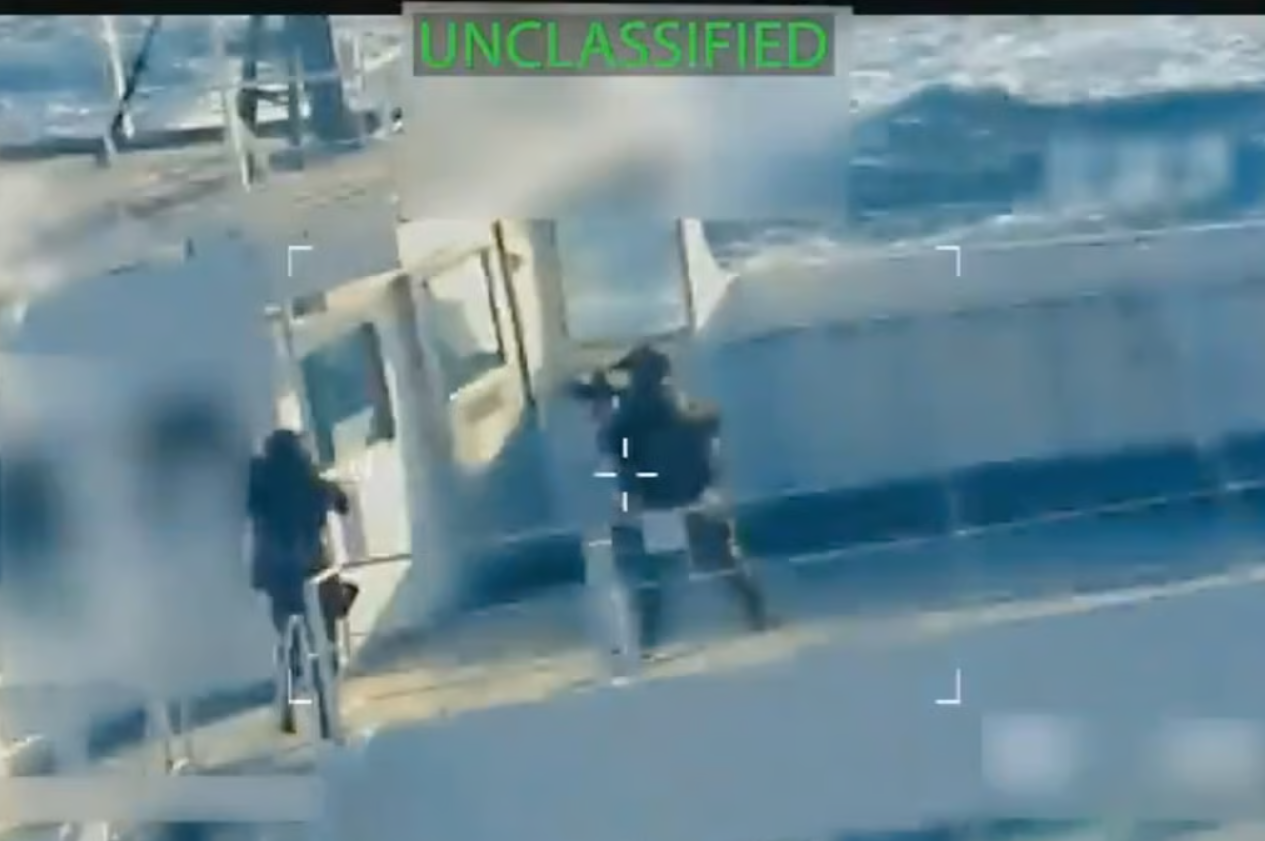
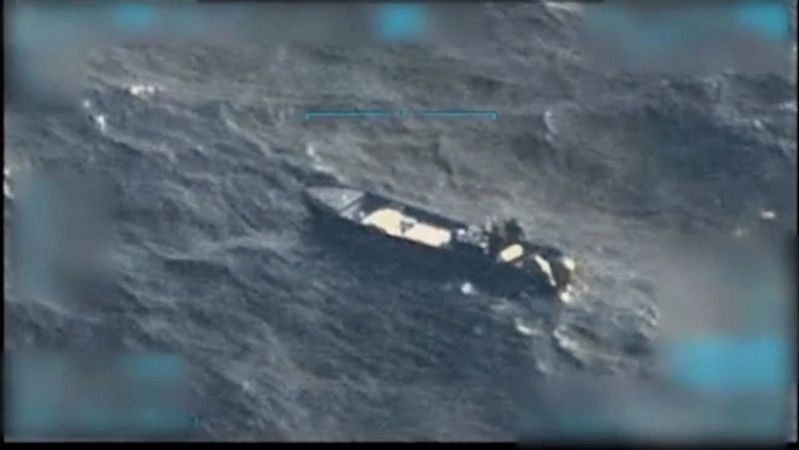
Those doubts deepened after classified briefings on the so-called “double-tap” strikes. While some Republicans emerged reassured, many left unsettled, citing unresolved concerns about legality, intelligence reliability, and whether the actions comply with U.S. and international law.
Pressure has increasingly focused on Defense Secretary Pete Hegseth, particularly after a senior admiral overseeing regional operations abruptly stepped aside. Though no official reason was given, the move coincided with escalating strikes, intensifying scrutiny of decision-making inside the Pentagon.
At the strategic level, Trump’s actions appear tied to a broader shift in U.S. foreign policy. The administration’s new national security strategy outlines a “Trump corollary” to the Monroe Doctrine, asserting American dominance over the Western Hemisphere and reducing competition with China in the region.
Venezuela sits at the heart of that vision. With roughly 17 percent of the world’s known oil reserves and vast untapped rare-earth minerals, Trump reportedly views the country as a major economic prize for U.S. businesses. Internal divisions remain, however, over whether that goal requires Nicolás Maduro’s removal.
Complicating matters, Trump has publicly distanced himself from operational details, claiming limited knowledge of the strikes and deferring responsibility to subordinates. Legal experts warn this posture is dangerous, especially as evidence mounts that survivors of strikes were repatriated to avoid U.S. court scrutiny and due-process protections.
Critics also point to the legal foundation itself. The memo justifying the strikes was issued by a young Office of Legal Counsel chief with no prior federal experience and ties to Trump’s 2020 election-overturn efforts, raising serious questions about independence and credibility.
As comparisons emerge to past scandals like Abu Ghraib, lawmakers and analysts warn that graphic imagery and legal evasions could inflame global backlash, endanger U.S. troops, and erode constitutional norms. For many on Capitol Hill, this is no longer partisan politics—it is a test of whether presidential power is being exercised within the law or beyond it.