Washington — A routine morning interview featuring President Donald J. Trump prompted widespread attention on Wednesday after the president delivered a meandering response to a question involving Pope Francis, a moment that was quickly captured, circulated, and dissected across social media platforms.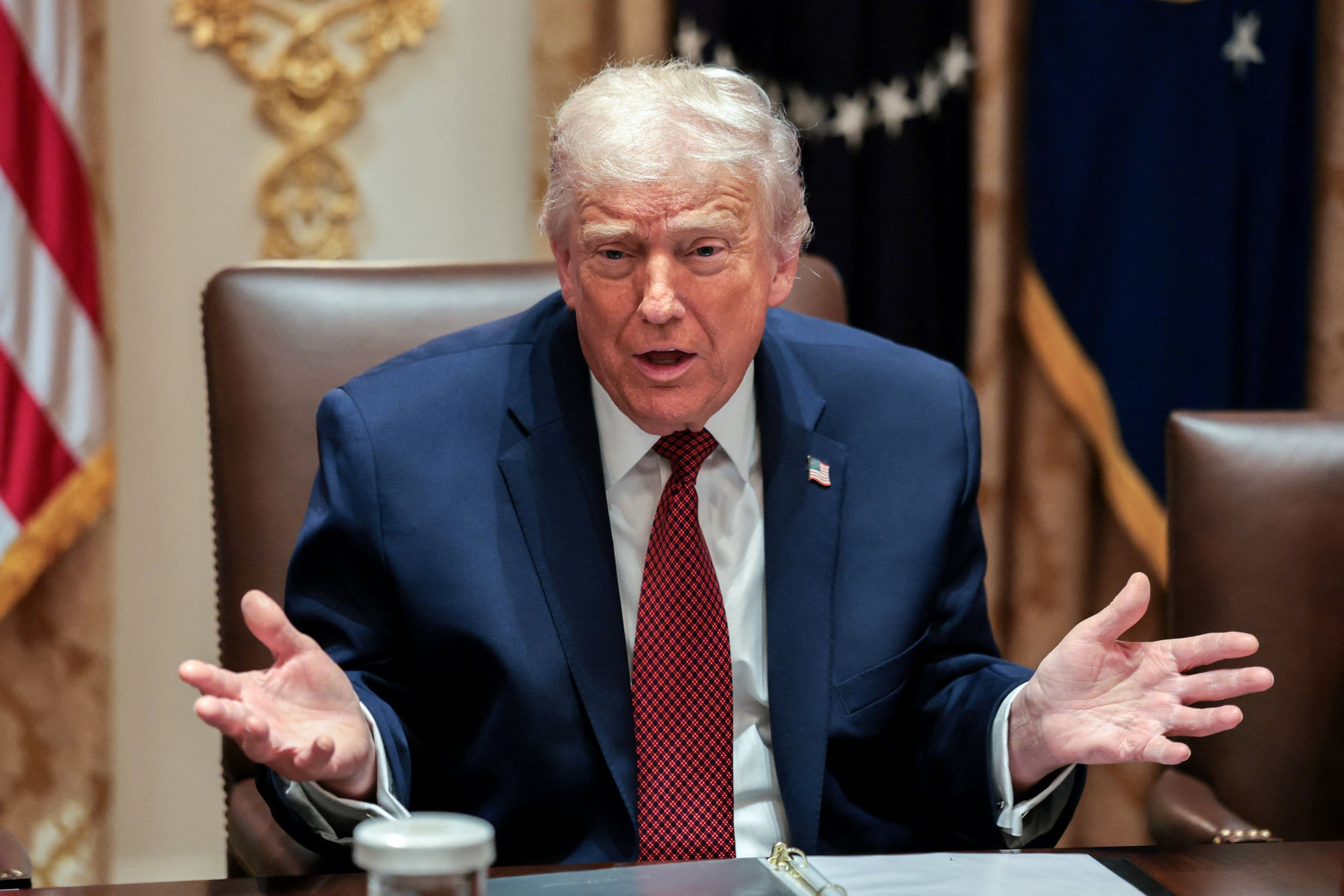
The interview, conducted on a nationally broadcast morning program, had been intended to highlight the administration’s international agenda ahead of a scheduled economic policy announcement later in the week. But midway through the conversation, viewers noticed Trump appeared to lose his train of thought when asked about recent comments made by the Pope on global leadership and humanitarian obligations.
Instead of addressing the substance of the question, Trump shifted into a series of loosely connected remarks, pivoting from trade to immigration to NATO funding, at one point pausing for several seconds as he attempted to redirect his answer. The segment aired live, and clips of the moment began circulating within minutes, drawing millions of views by midday.
The White House did not immediately comment on the episode, but two individuals familiar with the administration’s internal operations described a period of “heightened concern” as staff monitored the rapid online reaction. One senior aide, who spoke on the condition of anonymity, said officials were particularly focused on preventing what they described as “misinterpretations that could overshadow the administration’s policy priorities.”
Another person with knowledge of the situation said there were early discussions about whether the network might adjust the replay of the interview, though the individual noted there was no formal request made by the administration. The network ultimately re-aired the segment in full during its noon broadcast.
Political analysts noted that presidents often face intense scrutiny over unscripted moments, but the speed and scale of the reaction to Wednesday’s exchange reflected the heightened sensitivity surrounding Trump’s public appearances. In recent weeks, both supporters and critics have paid increased attention to the president’s speaking style, sometimes interpreting minor lapses or off-topic digressions as evidence of broader political or personal trends.
“The environment is such that every unscripted moment becomes magnified,” said Rachel Haverford, a political scientist at Georgetown University. “If a president hesitates, pivots unexpectedly, or answers less clearly than expected, it’s instantly clipped, captioned, and reframed online.”
Commentators across the political spectrum offered sharply different interpretations of the moment. Conservative radio hosts largely dismissed the exchange as inconsequential, noting that Trump frequently moves between topics during interviews. Progressive commentators, however, questioned whether the answer signaled deeper concerns about focus or preparation.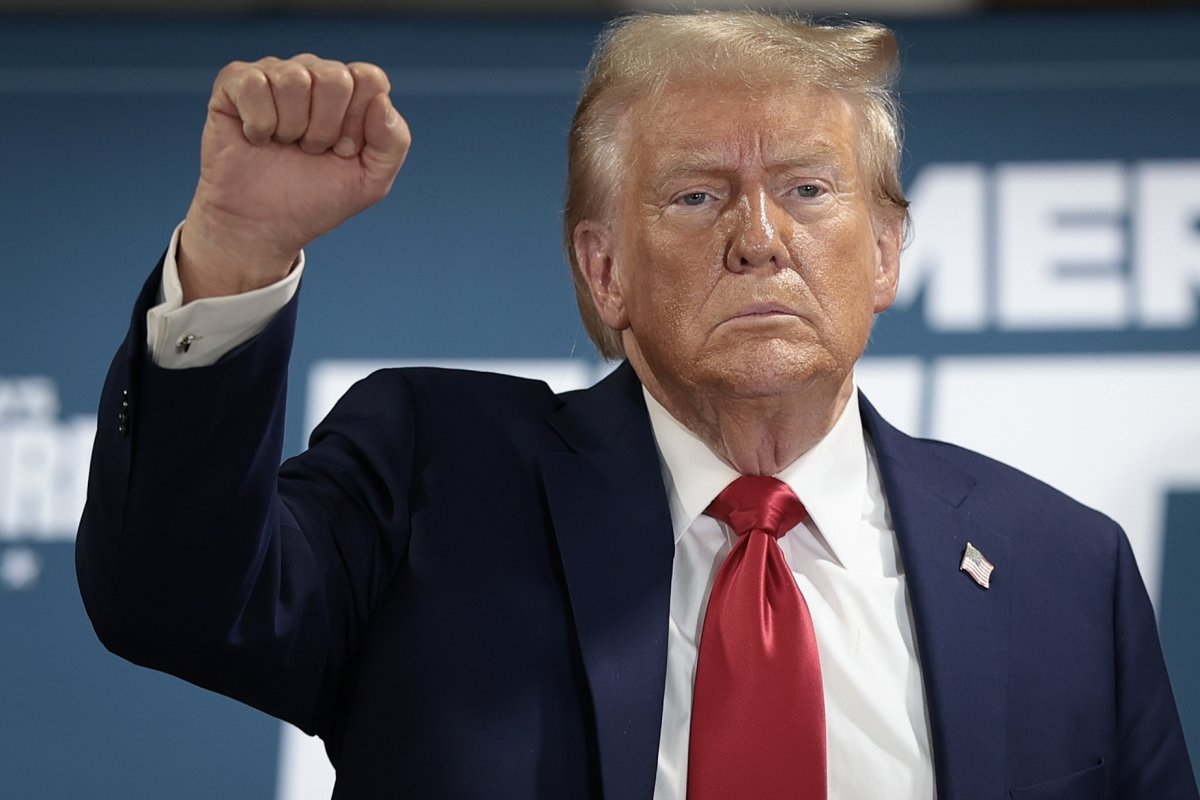
The Vatican declined to comment on the interview, though experts on U.S.–Vatican relations emphasized that the Pope’s earlier remarks — the ones that prompted the initial question — were general statements intended for international audiences, not directed at any political leader.
By late afternoon, the clip remained among the most discussed political videos of the day on major platforms. Hashtags referencing both Trump and the Pope continued trending, and several lawmakers were pressed about the moment during impromptu hallway interviews on Capitol Hill.
Inside the White House, officials attempted to shift attention back to their economic agenda. Press aides circulated talking points emphasizing upcoming announcements related to energy and inflation, hoping to reestablish the day’s intended narrative. One person close to the administration said staff members were “frustrated but not surprised” by how quickly the interview clip overtook policy messaging.
This is not the first time a spontaneous remark during a media appearance has overshadowed scheduled policy events for the administration. In recent months, aides have worked to tighten preparation procedures ahead of interviews and public remarks, seeking to avoid distractions that could derail communications strategy.
Whether Wednesday’s exchange has any lasting political impact remains unclear. Historically, isolated interview moments have had limited influence on voter opinions, though they sometimes contribute to broader narratives about leadership style or public communication.
For now, the administration faces the challenge of redirecting the conversation back to its stated priorities while managing a news cycle shaped largely by reactions outside its control. As the clip continues to circulate online, the episode underscores the growing difficulty for contemporary political leaders — and their staff — to contain or contextualize unscripted moments in an increasingly rapid and fragmented media landscape.