Standing before business leaders in Mumbai as reports of airstrikes in Iran flashed across international newswires, Prime Minister Mark Carney paused his prepared remarks and addressed the escalating crisis directly. Canada, he said, supports efforts to prevent Iran from obtaining a nuclear weapon, framing the unfolding military action by the United States and Israel as rooted in long-standing concerns about regional stability. Within hours, in a separate but equally consequential development, China announced the suspension of several punitive tariffs on Canadian agricultural exports. The juxtaposition of security alignment and trade relief underscored the complexity of Canada’s position in a rapidly fragmenting global order.
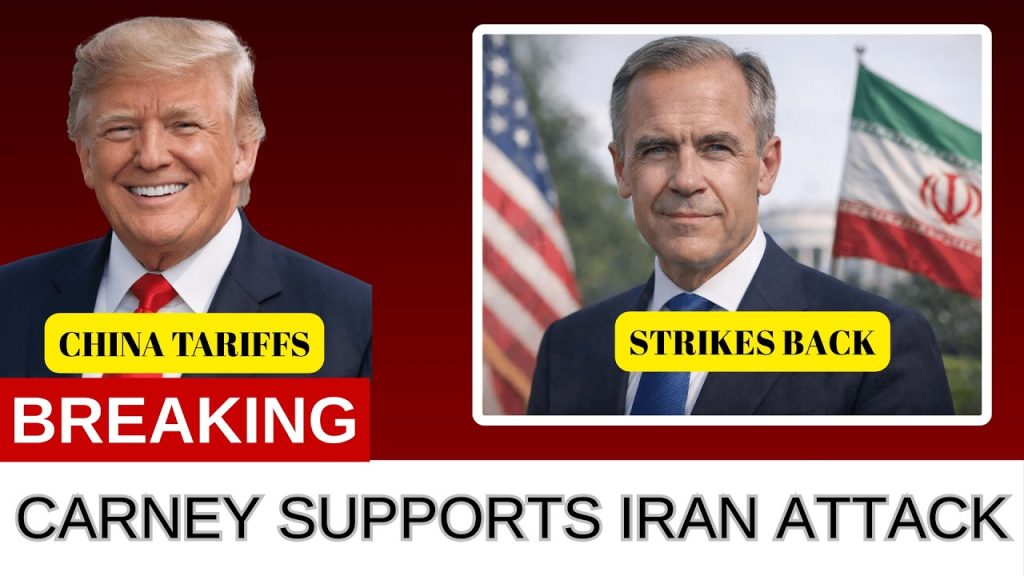
Mr. Carney’s comments on Iran were measured but unmistakable. He described the Islamic Republic as a principal source of instability in the Middle East and cited its support for proxy groups and its nuclear enrichment activities. At the same time, he reiterated Canada’s preference for diplomatic solutions and emphasized the protection of Canadian nationals in the region, including military personnel stationed in Qatar, Bahrain and Jordan. The message was calibrated: solidarity with allies on nonproliferation, without overt saber-rattling.
The timing amplified the significance. Mr. Carney was in India to advance trade and investment discussions when the strikes occurred. By speaking from Mumbai rather than Ottawa, he signaled that Canada’s foreign policy does not pause for geography. Diplomats said the prime minister had been in contact with allied leaders while directing Canadian missions in the Middle East to assess risks to citizens and troops. The government issued updated travel advisories and confirmed contingency planning for evacuations if necessary.
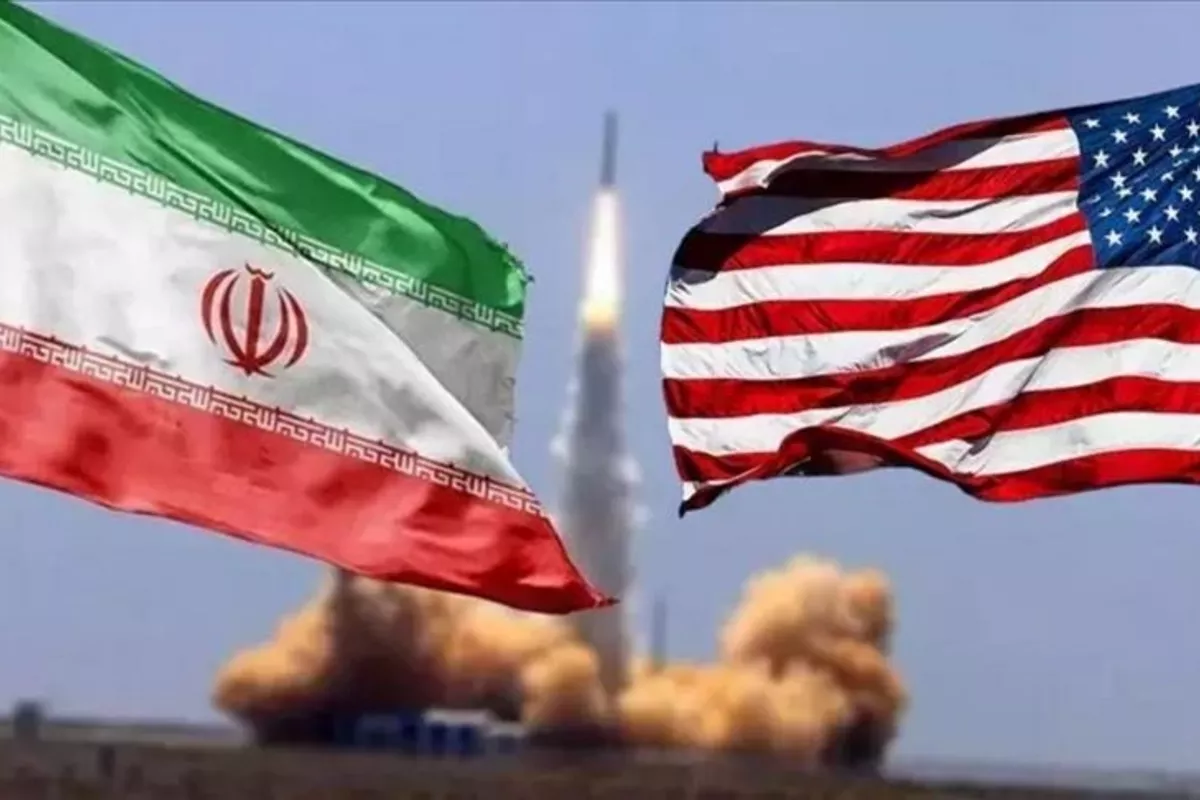
The regional situation remains volatile. Iran’s Revolutionary Guard has launched retaliatory drone and missile strikes, and Gulf states have reported intercepting projectiles over their airspace. Canadian Armed Forces members serving in support roles at American and allied facilities now operate in a heightened threat environment. Defense officials declined to detail force protection measures but acknowledged that posture adjustments were under review.
Even as security tensions intensified, Beijing moved to suspend 100 percent tariffs on Canadian canola meal and peas and 25 percent duties on lobster and crab, effective March 1. The measures had been imposed during a protracted trade dispute that severely constrained Canadian agricultural exports. While tariffs on canola seed and certain other products remain under review, the announcement marks the most tangible thaw in Sino-Canadian trade relations in years.
The trade breakthrough follows Mr. Carney’s January visit to Beijing, where he met with President Xi Jinping and senior economic officials. According to Canadian trade representatives, discussions focused on stabilizing agricultural flows and clarifying regulatory concerns that had underpinned earlier restrictions. Chinese importers have reportedly begun booking Canadian shipments for early spring delivery, suggesting market confidence that the policy shift will hold.
Analysts caution against viewing the security and trade developments as directly linked. “Global diplomacy rarely operates on a single track,” said one former ambassador. “Countries can align on one issue and diverge on another without those positions being transactional.” Still, the near simultaneity of the announcements highlights Canada’s attempt to navigate competing pressures: maintaining alignment with the United States on core security matters while diversifying economic partnerships in Asia.
Domestically, the response has been mixed. Opposition leader Pierre Poilievre expressed support for the objective of preventing a nuclear-armed Iran but criticized the government for not providing more detail on Canada’s contingency planning. Agricultural groups, by contrast, welcomed Beijing’s tariff suspension as a lifeline for farmers facing volatile global markets. In Atlantic Canada, seafood exporters said the reopening of Chinese channels could restore a critical revenue stream ahead of peak shipping season.
Internationally, the episode reflects a broader recalibration underway among middle powers. As Washington’s trade posture has grown more unpredictable and geopolitical rivalries intensify, countries like Canada are seeking flexibility. That does not mean neutrality, officials insist, but rather the ability to act on multiple fronts simultaneously — reinforcing alliances in security domains while pursuing pragmatic economic engagement elsewhere.
Whether that balancing act can be sustained remains uncertain. The conflict involving Iran could widen, drawing in regional actors and complicating Canada’s diplomatic messaging. Trade talks with China may encounter new friction if political tensions resurface. Yet for now, Ottawa appears intent on demonstrating that sovereignty in a multipolar era is defined less by choosing sides than by maintaining room to maneuver.
In Mumbai, Mr. Carney framed Canada’s approach as one of strategic clarity rather than reflexive alignment. Preventing nuclear proliferation, he argued, is a shared global interest; expanding trade, a practical necessity. The coming weeks will test whether those dual commitments can coexist without contradiction. In a world where security shocks and economic negotiations unfold in parallel, Canada’s challenge is not merely to respond to events, but to shape its position within them — deliberately, and in real time.