🔥 BREAKING: VISA UNCERTAINTY CLOUDS WORLD CUP PREPARATIONS — CANADA SIGNALS OPEN DOOR ⚽🌍🇨🇦
With five months remaining before the 2026 World Cup kicks off across North America, what was once billed as a celebration of unity has become entangled in geopolitical strain.
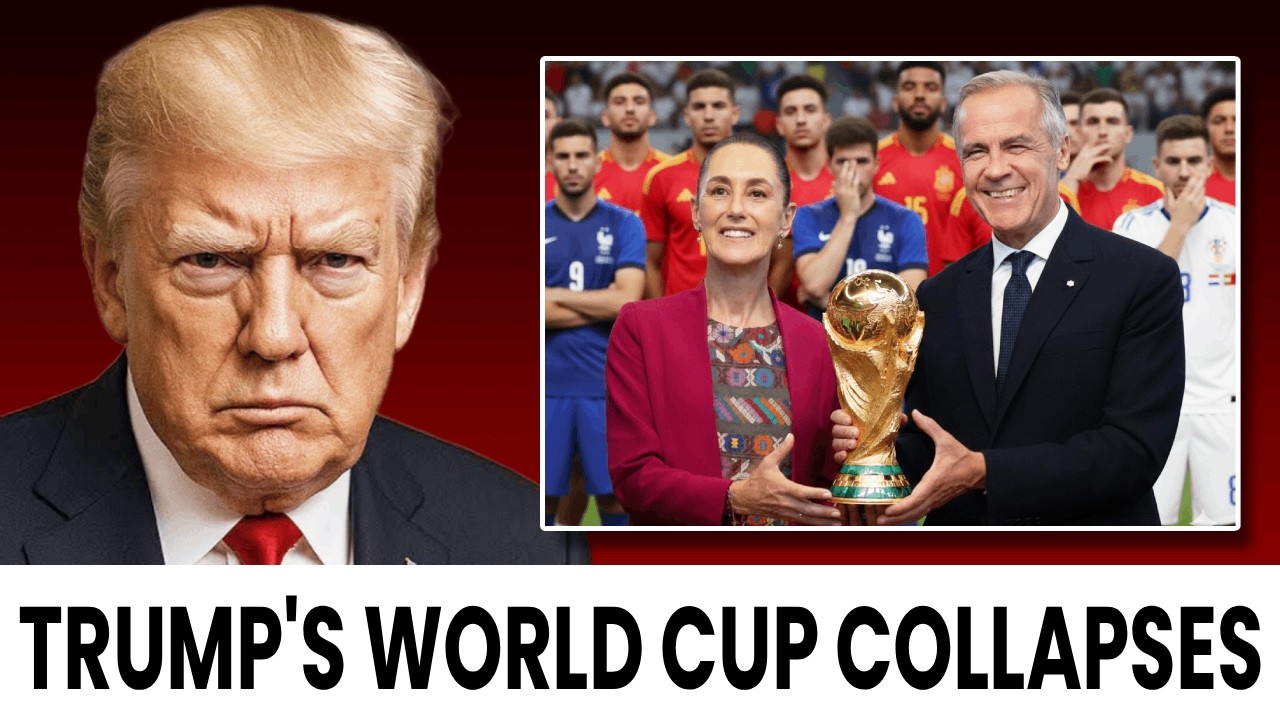
The tournament, jointly hosted by the United States, Canada and Mexico under the auspices of FIFA, was meant to showcase cooperation on an unprecedented scale. Instead, visa suspensions, diplomatic disputes and talk of boycotts have unsettled preparations, leaving federations and fans navigating uncertainty that extends far beyond the pitch.
The tension escalated in January, when the U.S. State Department announced an indefinite suspension of immigrant visa processing for dozens of countries. Officials cited national security concerns and enhanced screening procedures. There were no specific exemptions for World Cup supporters.
The announcement followed earlier travel proclamations issued in mid-2025 that imposed restrictions on a growing list of nations. By late December, dozens of countries faced either full or partial limits on entry. While tourist visas were not formally canceled, immigration lawyers and consular officials described delays and heightened scrutiny that have made travel planning unpredictable.
For supporters, the implications are immediate. A match ticket, FIFA has acknowledged, does not guarantee entry into a host country. In a 33-day window, the organization reported more than 500 million ticket requests worldwide, underscoring enormous demand — and the scale of potential disruption if even a fraction of applicants are unable to secure visas.
The impact is especially acute for countries whose group-stage matches are scheduled primarily in the United States. Iran, which qualified through Asian competition, has already experienced diplomatic friction after its delegation reportedly faced visa denials tied to the tournament draw ceremony in Miami. Haitian supporters, celebrating their nation’s first World Cup qualification in four decades, confront similar barriers; all three of Haiti’s group matches are slated for American cities.
In Africa, uncertainty clouds travel plans for fans from Senegal and Ivory Coast. While players and team officials typically receive expedited clearance, supporters must navigate standard consular channels. For many, flights and accommodations were booked months ago, long before entry rules shifted.
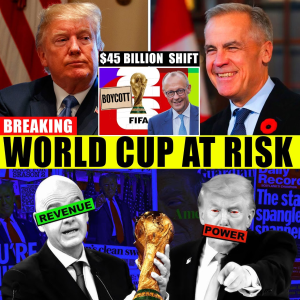
The political reverberations have been felt across Europe. In Germany, a senior figure within the Christian Democratic Union publicly raised the possibility of a boycott, linking participation to broader diplomatic tensions between Berlin and Washington. Polling reported in German media suggests that a substantial share of the public would support withdrawal if relations deteriorate further.
Ok Gutish, president of Bundesliga club St. Pauli and a vice president of the German Football Association, drew comparisons to the Olympic boycotts of the Cold War era, arguing in interviews that sport cannot remain insulated from politics when fundamental principles are at stake. He also criticized Gianni Infantino, the president of FIFA, accusing football’s leadership of selective moral scrutiny.
The British Parliament has seen a cross-party motion urging international sporting bodies to reconsider the United States’ role as host, though its passage remains unlikely. France’s sports minister has rejected calls for a boycott, insisting that the tournament should remain distinct from diplomatic disputes.
The Biden administration has defended the visa measures as necessary and unrelated to the World Cup. Supporters of the policy argue that national security cannot be subordinated to sporting considerations, even for a global event expected to draw millions.
Yet the optics are complicated. The World Cup is the most widely watched sporting event on earth, and host nations traditionally emphasize openness and hospitality. Critics contend that restrictions, even if aimed at immigration enforcement rather than tourism, risk hollowing out the atmosphere that defines the tournament.
Canada, which will stage 13 matches, has emerged as an unintended beneficiary. With fewer reported entry concerns, cities such as Toronto are seeing heightened interest from international supporters seeking greater certainty. Mexican organizers, meanwhile, continue preparations amid separate tensions over trade and border security.
FIFA faces limited options. Relocating matches at this stage would be logistically and financially prohibitive. Commercial contracts, broadcast agreements and infrastructure investments have been years in the making. The governing body has introduced a special pass system and reassigned consular resources to facilitate travel, but it has stopped short of publicly challenging U.S. policy.
For players, the tournament will proceed. Teams are expected to receive necessary documentation, and the games themselves will unfold on schedule. The question is whether stadiums will reflect the diversity and fervor that give the World Cup its character.
Hosting the event requires more than stadiums and transportation networks. It depends on trust that fans can cross borders as easily as teams do. As diplomatic disputes and visa backlogs mount, that trust has eroded.
With months to go before kickoff, the 2026 World Cup stands as a reminder that global sport, however powerful, cannot fully escape the political currents that surround it. Whether those currents will subside in time to restore a sense of shared celebration remains uncertain.