💔 “I Was Duped”: Trump Voter’s Tearful Confession Rocks Congress as Veteran’s Wife Sits in ICE Detention

A tearful confession from a former Trump voter stunned a live congressional hearing and sent shockwaves across social media. Jim Brown, a U.S. Navy combat veteran and part-time minister from Missouri, told lawmakers bluntly: “I was duped. I was stupid. I made a mistake.” His regret was not political theater—it was personal, painful, and deeply human.
Brown, who served his country courageously in Panama during the Gulf War era, watched from the hearing room as lawmakers discussed the fate of his wife, Donna. She legally immigrated from Ireland at age 11 and lived in the United States for nearly five decades. Today, she has spent more than four months in an ICE detention center in Kentucky.
Donna’s detention has ignited outrage. Her only offense was writing two bad checks totaling $80 more than a decade ago. Despite no violent record and decades of lawful residence, she was detained, placed in solitary confinement for eating a cup of ramen noodles, and subjected to degrading conditions that Brown says have broken her physically and emotionally.
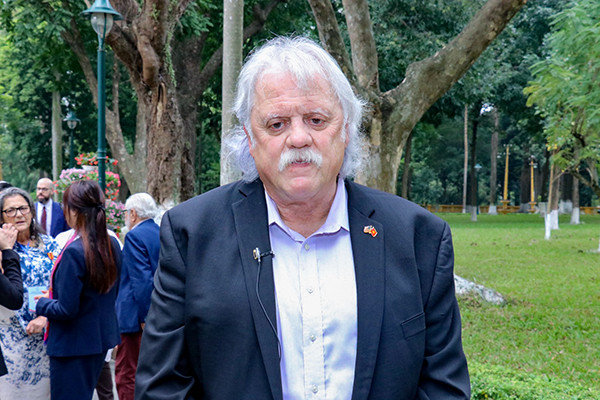
During a tense exchange in Congress, Rep. Seth Magaziner of Rhode Island forced Homeland Security Secretary Kristi Noem to confront Brown directly. Standing behind her, the veteran became a living indictment of current immigration enforcement. Magaziner pressed Noem on why a combat veteran’s wife—who never entered illegally—remains imprisoned.
The hearing exposed what critics describe as a quota-driven deportation system. Lawmakers argued that the Trump administration has failed to distinguish between violent criminals and law-abiding immigrants, instead sweeping up veterans’ families, long-term residents, and even green card applicants to meet aggressive daily deportation targets.
Brown later revealed that his wife’s story is far from unique. Inside detention, she met women from France, Venezuela, and Guatemala—some arrested while applying legally for residency, others denied medical care or hearings for years. These stories, largely invisible to the public, paint a grim picture of systemic cruelty.

Magaziner said the goal of the hearing was simple: humanize the consequences of policy. By spotlighting veterans and military families, he aimed to show that immigration enforcement is no longer about “the worst of the worst,” but about innocent people caught in a bureaucratic dragnet.
As Brown awaits a critical December hearing that could determine his wife’s fate, his message resonates far beyond Congress. “If public pressure works, lives can be saved,” Magaziner said. Brown’s confession—and his family’s suffering—now stand as a powerful symbol of regret, accountability, and the real human cost of America’s immigration policies.