In the unforgiving expanse of the Arctic, where ice sheets calve into darkening seas and the strategic chessboard of great powers grows more crowded by the day, a quiet but seismic realignment has taken place. Canada and Denmark, two steadfast allies long bound by shared northern latitudes and NATO commitments, have forged a pact that draws a firm line against unilateral claims on Greenland — the vast, mineral-rich island that has suddenly found itself at the center of international contention.
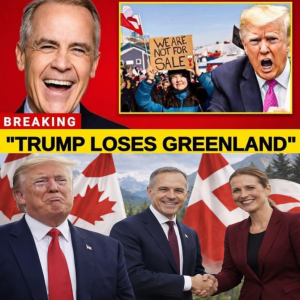
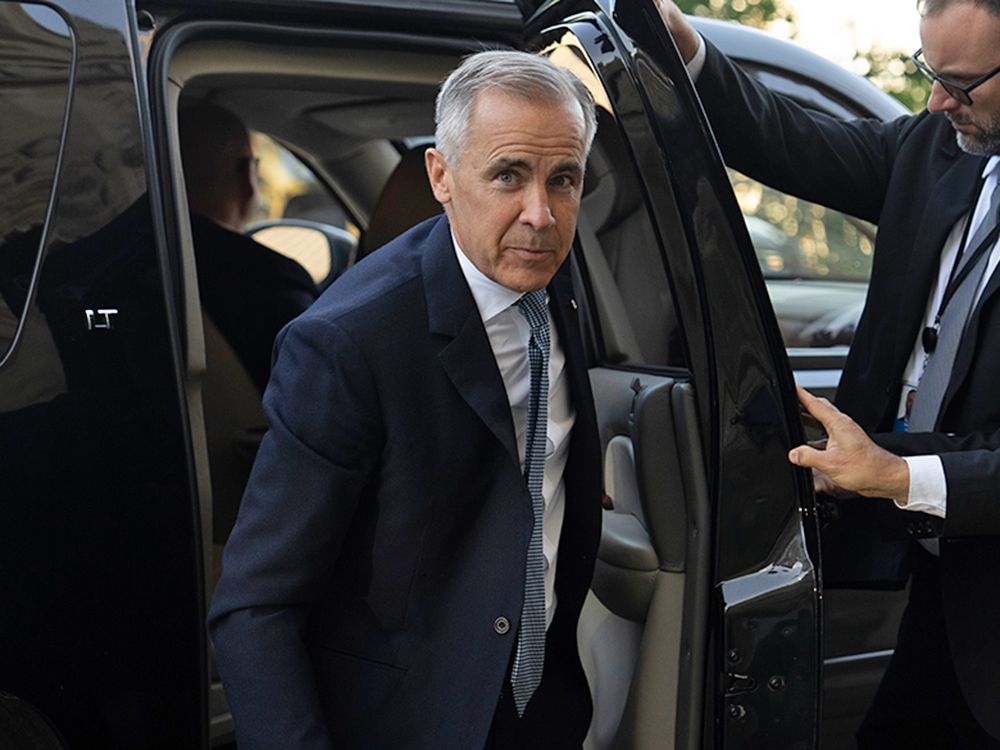
The agreement, announced amid heightened tensions over Arctic sovereignty, represents more than diplomatic courtesy. It signals Ottawa’s unambiguous alignment with Copenhagen in defense of Greenland’s status within the Kingdom of Denmark. While Washington, under President Donald J. Trump’s second administration, has pressed aggressively for enhanced American control — citing national security imperatives, missile defense ambitions, and the need to counter Russian and Chinese influence — Canada chose presence over reticence. Prime Minister Mark Carney stood shoulder to shoulder with Danish Prime Minister Mette Frederiksen, issuing statements that underscored an unyielding respect for territorial integrity and self-determination. In doing so, Canada effectively closed off avenues for leverage that might have pressured Denmark into concessions.
This development unfolds against a backdrop of extraordinary escalation. In early January 2026, President Trump revived and intensified his long-standing interest in Greenland, first floated during his initial term in 2019. He threatened tariffs on Denmark and several European partners unless a “complete and total” transfer materialized, even refusing at points to rule out more forceful measures. The rhetoric invoked a “Golden Dome” missile shield, expanded military access beyond the existing 1951 U.S.-Denmark Defense Agreement, and warnings that adversaries could exploit Arctic vulnerabilities. Yet European leaders, including those from France, Germany, the United Kingdom, and Nordic nations, responded with unified statements affirming that Greenland’s future rests solely with its people and Denmark. Canada’s endorsement amplified this chorus, transforming what might have remained a bilateral dispute into a broader demonstration of transatlantic — and specifically northern — solidarity.
The pact’s implications ripple far beyond the ice-covered shores of Greenland. For decades, the Arctic has been a region of relative stability, governed by cooperation through forums like the Arctic Council and mutual defense pacts. Climate change has accelerated that calculus, opening new shipping routes, exposing vast untapped resources, and drawing non-Arctic powers into the fray. Russia’s military buildup and China’s economic forays have already prompted NATO to prioritize the High North. Trump’s approach, however, introduced an element of unpredictability: the use of economic coercion against allies to secure strategic gains. By aligning publicly and substantively with Denmark, Canada recalibrated the equation. Silence, once a default in delicate Arctic matters, now equated to acquiescence in the face of risk. Ottawa’s decision to speak — and to stand visibly beside Copenhagen — altered the dynamics overnight, leaving American negotiating positions notably diminished.
Observers note that this is not mere symbolism. Canada’s Arctic credentials are formidable: it boasts the world’s longest coastline in the region, substantial military investments in the North, and a growing diplomatic footprint, including plans for enhanced consular presence in Nuuk. By reinforcing Denmark’s sovereignty over Greenland, Ottawa safeguards not only allied principles but its own interests in a stable, rules-based Arctic order. Any precedent allowing one power to strong-arm territorial adjustments could unsettle claims across the polar expanse, from the Northwest Passage to resource-rich seabeds.
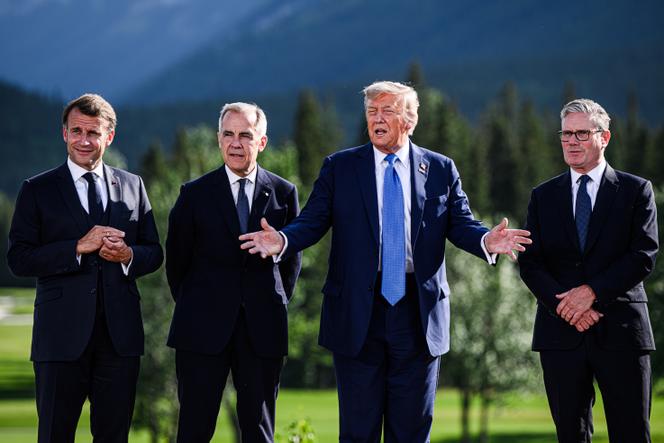
President Trump, in Davos and on social media, has since announced a “framework of a future deal” with NATO Secretary General Mark Rutte, one that he described as granting enduring U.S. access while rescinding tariff threats. Details remain sparse, and Greenlandic and Danish officials have reiterated that sovereignty remains non-negotiable. Yet the Canada-Denmark alignment has injected a measure of clarity into an otherwise volatile moment. It underscores that Arctic security, while a shared transatlantic concern, cannot be pursued at the expense of allied sovereignty or international norms.
As negotiations continue — likely focusing on expanded military cooperation under existing frameworks rather than outright changes in control — the pact stands as a reminder of how northern neighbors can quietly but decisively shape the future of the top of the world. In a region where melting ice reveals both opportunity and peril, alliances tested under pressure have proven, once again, more enduring than unilateral ambition.