A World Cup Under a Cloud: Germany’s Warning and the Politics Surrounding 2026
As preparations accelerate for the 2026 World Cup, an event intended to showcase North American cooperation and global unity, an unexpected note of uncertainty has entered the conversation. The tournament, scheduled to be co-hosted by the FIFA World Cup across the United States, Canada and Mexico, was long assumed to be a commercial triumph — a seamless spectacle backed by record sponsorships and vast broadcast deals. That assumption now appears less secure.
The tremor began in Germany.
A senior figure within the German Football Association publicly suggested that a boycott of the 2026 tournament deserved “serious consideration.” The remark was measured rather than theatrical, but in international sport, careful language often carries the greatest force. Germany is not a marginal participant in global football; it is one of the sport’s economic and cultural anchors. When German officials introduce doubt, governing bodies listen.
The suggestion did not amount to a declaration. It was instead a signal — one that introduced a possibility few inside FIFA had openly entertained: participation in a modern World Cup is not inevitable.
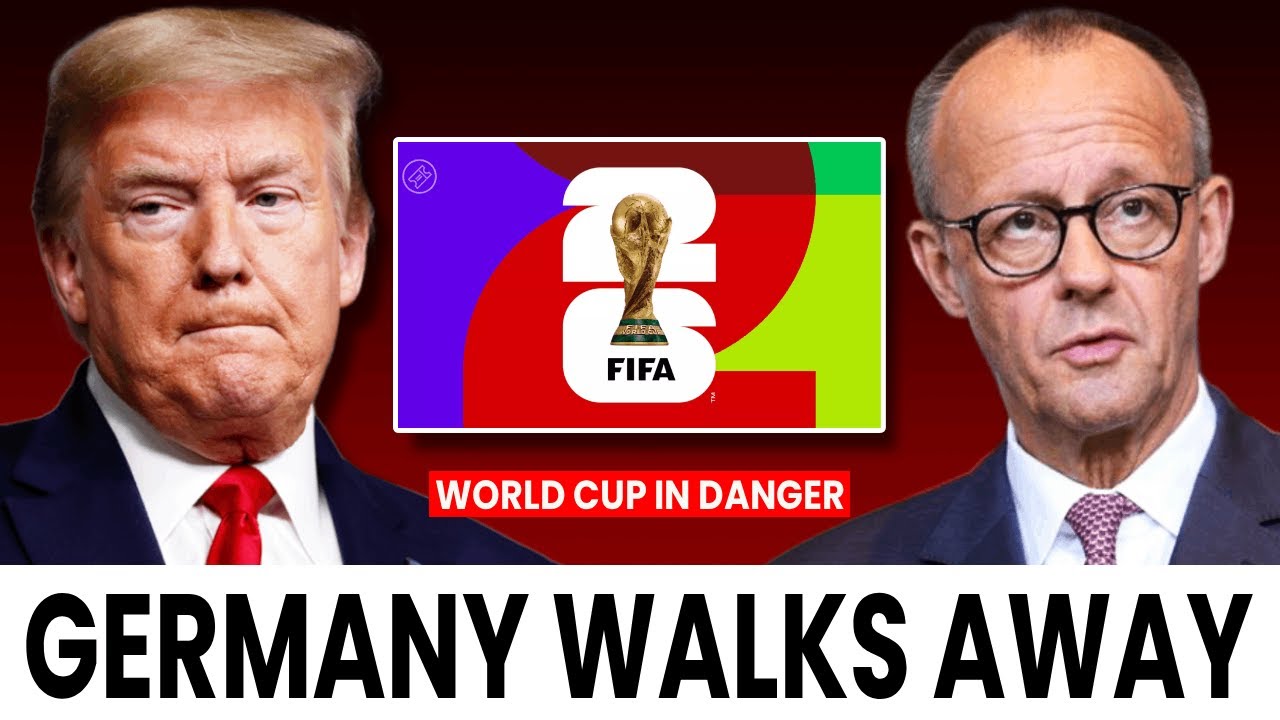
For decades, FIFA has relied on a core assumption that once a host nation is selected and contracts are signed, the machinery of global football will proceed largely insulated from geopolitics. The 2026 tournament was promoted as a symbol of stability and scale, particularly in the United States, where officials have framed it as evidence of continued global leadership.
Yet sport does not exist in a vacuum. Immigration policy, diplomatic tensions and political rhetoric increasingly shape the practical realities of hosting an event dependent on cross-border movement. Several European federations have begun asking private questions about risk, optics and contingency planning. The concerns are not confined to fan activism or sponsor anxiety; they are institutional.
Germany’s intervention carried particular resonance because of history. Sporting boycotts have altered global events before, most notably during the 1980 Olympic Games. By invoking precedent, German officials underscored that withdrawal, while extraordinary, is not unthinkable. The power of the statement lay less in threat than in credibility. Once the idea becomes plausible, financial and legal structures built on certainty begin to wobble.
The commercial stakes are vast. Broadcast agreements were negotiated on the assumption that Europe’s most prominent national teams — Germany, France, England, Spain and Italy — would anchor global audiences. Advertising rates reflect predictable viewership patterns. Sponsors do not invest billions in abstraction; they invest in matchups, narratives and reliable reach. Remove even one cornerstone and the entire valuation model must be recalculated.
Publicly, FIFA continues to emphasize neutrality. Privately, executives must weigh scenarios once dismissed as remote. The erosion of certainty is itself destabilizing. Even without a formal boycott, delayed commitments or conditional participation could trigger renegotiation clauses and sponsor hesitation.
The political context complicates matters. The tournament will unfold during the presidency of Donald Trump, whose administration’s immigration restrictions have already drawn international scrutiny. Travel policies affecting citizens of certain nations have raised questions about fan access and visa security. For a competition that relies on global mobility, unpredictability presents more than a public relations challenge; it threatens operational coherence.
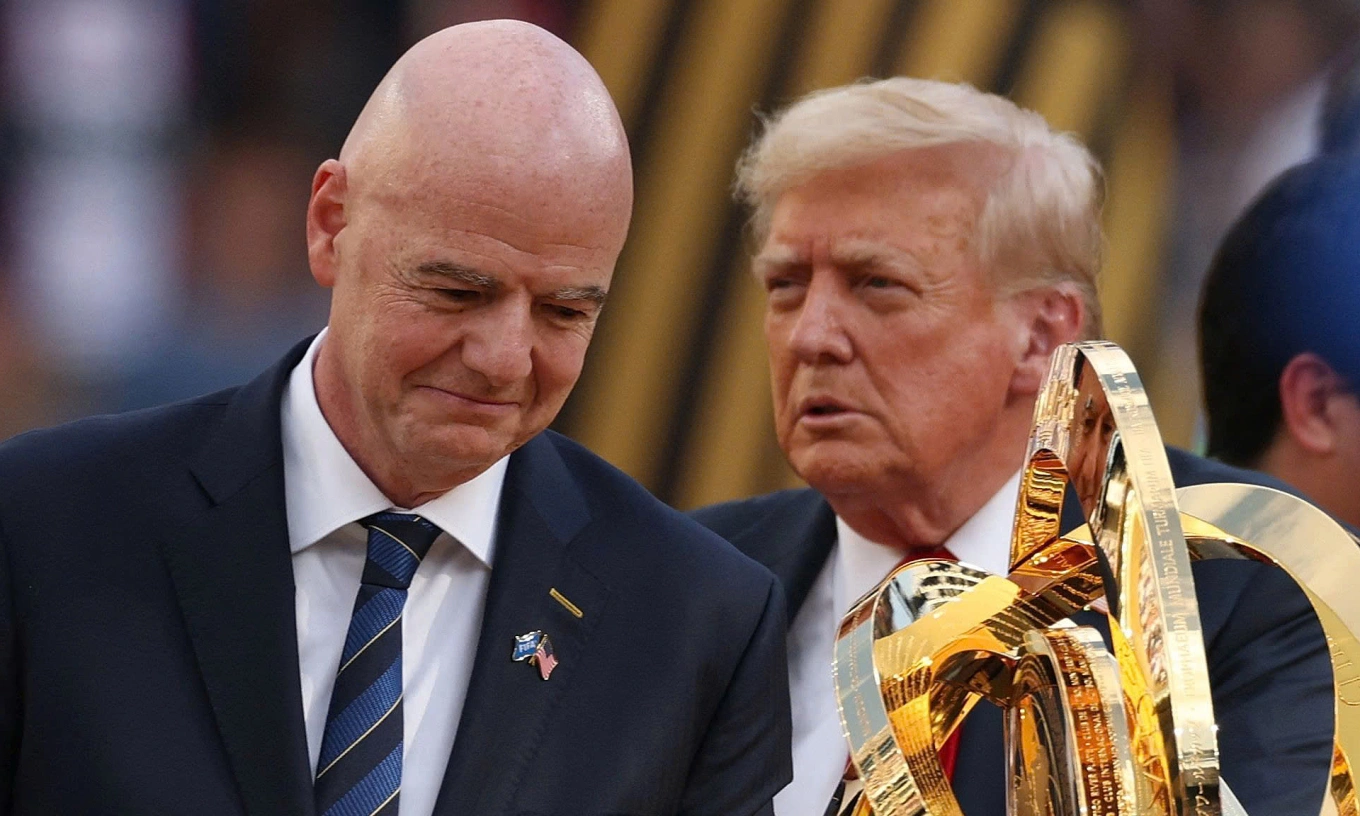
Former FIFA president Sepp Blatter, though no longer in office, added another layer by publicly endorsing calls for a fan boycott of matches played in the United States. His remarks echoed concerns raised by European legal observers about travel enforcement and political volatility. While Mr. Blatter’s formal authority ended in 2015, his voice remains recognizable within football’s institutional memory.
Beyond Europe, reactions have varied. Some lawmakers in Britain have urged caution. In the Netherlands, a petition advocating withdrawal reportedly gathered significant support. In South Africa, opposition figures drew parallels between sport and political accountability. None of these developments amount to coordinated action, but together they illustrate a broader phenomenon: the normalization of doubt.
Canada and Mexico, the tournament’s co-hosts, have adopted a different posture. Rather than amplify criticism, they have emphasized stability and logistical readiness. Their strategy appears designed to present reassurance rather than confrontation — a subtle positioning that could prove consequential if further uncertainty arises.
It remains entirely possible that the 2026 World Cup will proceed as planned, filling stadiums and generating record revenues. Most national federations have not committed to withdrawal, and many commercial partners remain publicly supportive. Yet something fundamental has shifted. The aura of inevitability surrounding global sporting events has cracked.
What Germany’s statement exposed was not merely dissatisfaction, but fragility. In a system built on assumptions of automatic participation, the mere suggestion of absence redistributes leverage. Host nations are judged not only on infrastructure and profit potential but also on diplomatic steadiness and perceived openness.
The World Cup was conceived as a celebration of international connection. Whether it becomes instead a case study in the limits of sporting neutrality will depend on decisions made well beyond the pitch. In the months ahead, the most consequential negotiations may not concern formations or ticket sales, but trust — a commodity less visible than sponsorship banners, yet far more essential to the spectacle they are meant to support.