The past week has brought a convergence of controversies in Minnesota that now ripple far beyond the state’s borders, blending a sprawling fraud investigation, renewed immigration enforcement tensions, and incendiary political rhetoric aimed at elected officials. At the center of the storm are Gov. Tim Walz and Rep. Ilhan Omar, as critics and allies alike grapple with how a years-long investigation into pandemic-era aid programs intersects with a broader national debate over accountability and enforcement.
The immediate catalyst is the widening scope of Minnesota’s largest fraud case, known as Feeding Our Future, in which federal prosecutors allege that defendants exploited emergency nutrition programs during the Covid-19 pandemic. Court filings and public hearings have documented millions of dollars in alleged losses tied to false meal counts, shell companies, and lax oversight. State lawmakers have acknowledged failures in monitoring, while prosecutors have emphasized that the case remains ongoing, with additional defendants and charges possible.
In recent legislative hearings, members of the Minnesota House Fraud Prevention Committee described what they said were gaps in oversight that allowed payments to continue even after red flags were raised. Whistleblowers testified that their concerns were ignored or met with retaliation, allegations that state officials dispute. The Walz administration has said it is tightening controls, increasing audits, and cooperating with federal authorities, while cautioning against conflating systemic weaknesses with culpability by elected officials.
Yet the political pressure has intensified. Opponents argue that the scale of alleged losses—figures circulating online range into the billions, though prosecutors have not confirmed totals of that magnitude—demands resignations and sweeping reform. Supporters counter that emergency programs were designed for speed during a crisis and that fraud, while serious, should be addressed through prosecutions rather than political blame.
Rep. Omar, whose district includes communities deeply affected by the case, has defended the intent of pandemic nutrition programs, arguing they fed vulnerable children at a time when schools were closed. She has rejected claims that her legislative advocacy caused the fraud, saying that criminal exploitation should not be confused with policy goals. No charges have been filed against Omar, and investigators have not alleged her personal involvement.
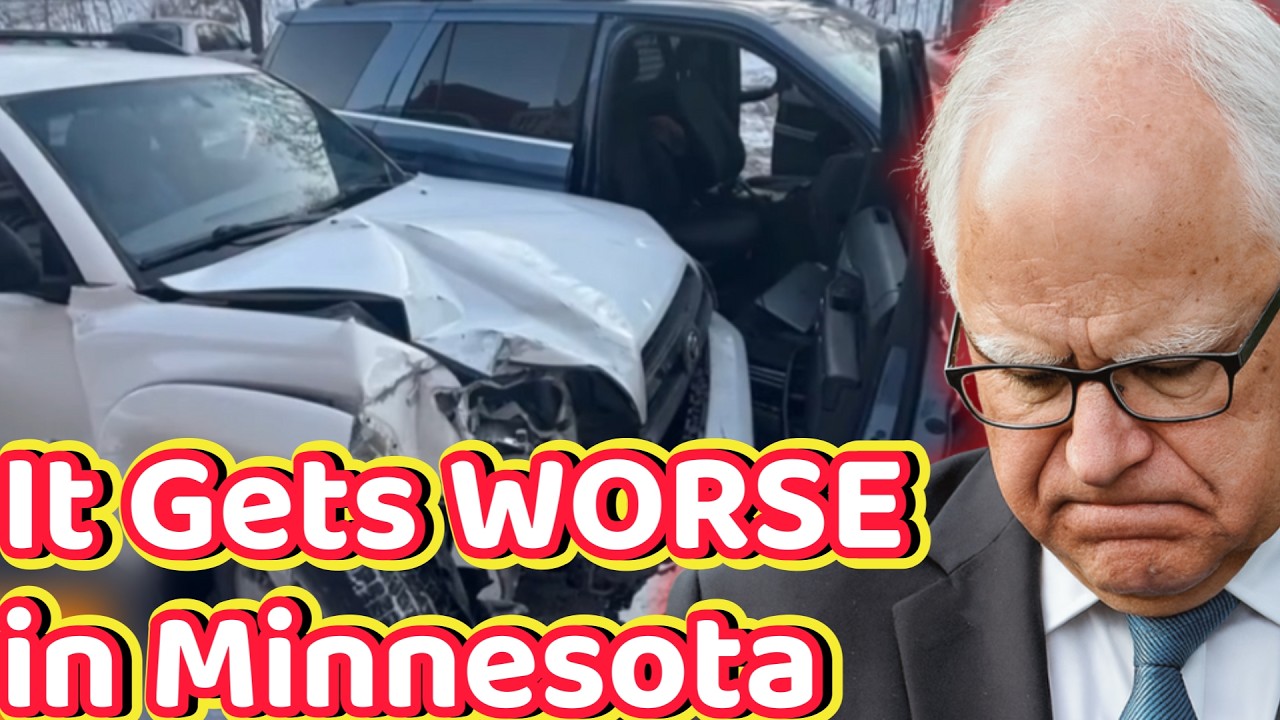
At the same time, immigration enforcement has added a volatile layer to the debate. Federal authorities reported confrontations during recent ICE operations in the Twin Cities, including an incident in which agents said a vehicle struck officers during an attempted arrest. ICE said an agent discharged a weapon after being hit by a car; local police said no bystanders were injured. Advocacy groups have staged protests, accusing federal agents of aggressive tactics, while the Department of Homeland Security has cited a sharp increase in assaults and threats against officers.

Into this already combustible mix came pointed remarks by Donald Trump, who used a campaign-style appearance to level sweeping accusations against Minnesota leaders and Somali-American communities. His statements, which included calls for removing Omar from Congress and unverified claims about fraud totals and family matters, drew applause from supporters and condemnation from critics. Fact-checkers and law-enforcement officials disputed several assertions, including claims about specific police encounters.
The rhetoric has fueled online amplification, with clips circulating widely and calls for investigations trending across social platforms. Civil rights groups warned that broad accusations risk stigmatizing entire communities, while Republican activists argued that blunt language reflects voter anger over waste and enforcement failures.
Behind the scenes, state officials say they are bracing for a long political reckoning. Walz has acknowledged oversight breakdowns and pledged reforms, while insisting that prosecutors—not politicians—should determine guilt. Federal investigators continue to pursue cases tied to pandemic programs, and legislative leaders have signaled additional hearings.

What remains unresolved is whether the controversy will translate into concrete political consequences. Minnesota has seen waves of outrage before, but the overlap of a high-profile fraud case, visible immigration clashes, and national campaign rhetoric has elevated the stakes. As one state lawmaker put it privately, the danger is not only legal exposure but erosion of public trust—an outcome that could linger long after the court cases conclude.
For now, officials urge caution. The investigations are active, the facts contested, and the political temperature rising. The challenge ahead will be separating verified findings from viral claims—while addressing real failures that allowed public funds to be misused and ensuring enforcement actions respect the rule of law.