A White House press conference intended to highlight naval procurement quickly veered into familiar and volatile territory this week, as President Donald Trump returned—reluctantly, he said—to questions surrounding the late financier Jeffrey Epstein, reviving a controversy that continues to shadow American politics years after Epstein’s death.
The exchange came after renewed public pressure from Democrats and some Republicans calling for fuller disclosure of federal records related to Epstein, following the administration’s partial release of documents earlier this year. Critics argue that the materials were heavily redacted and fell short of the requirements of a bipartisan transparency law passed by Congress. The Justice Department has said redactions were necessary to protect victims and ongoing legal matters.
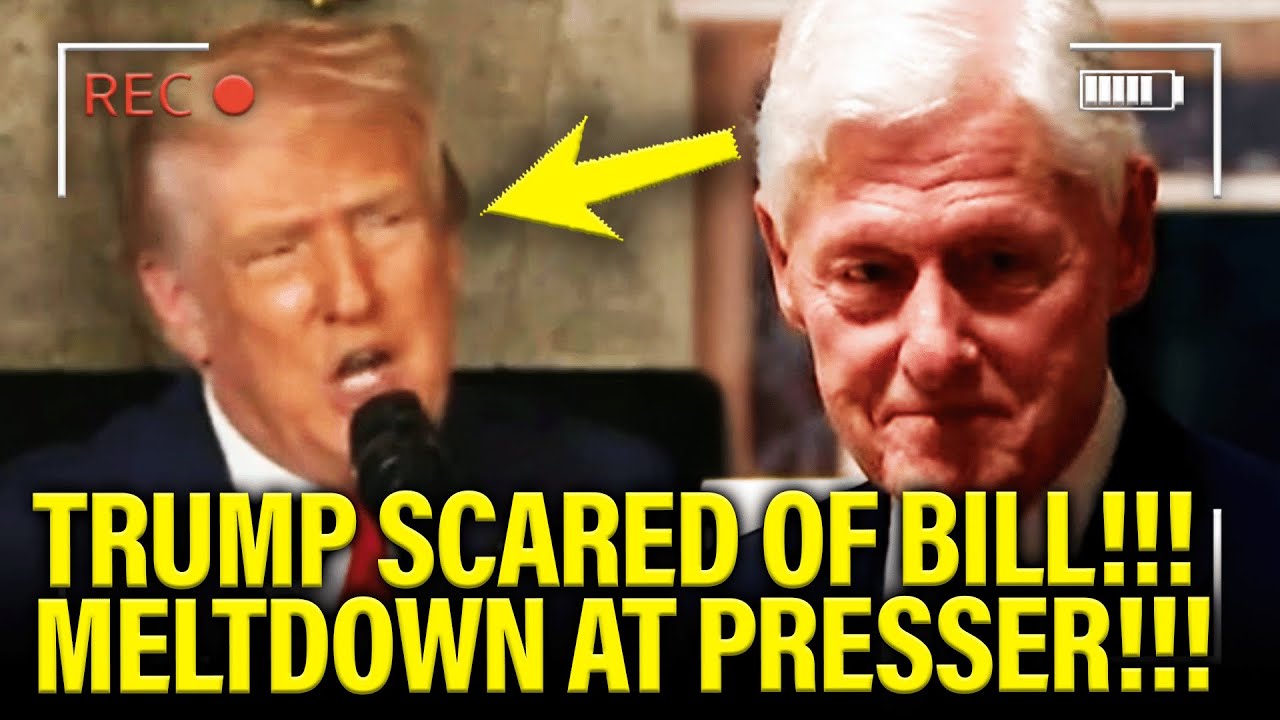
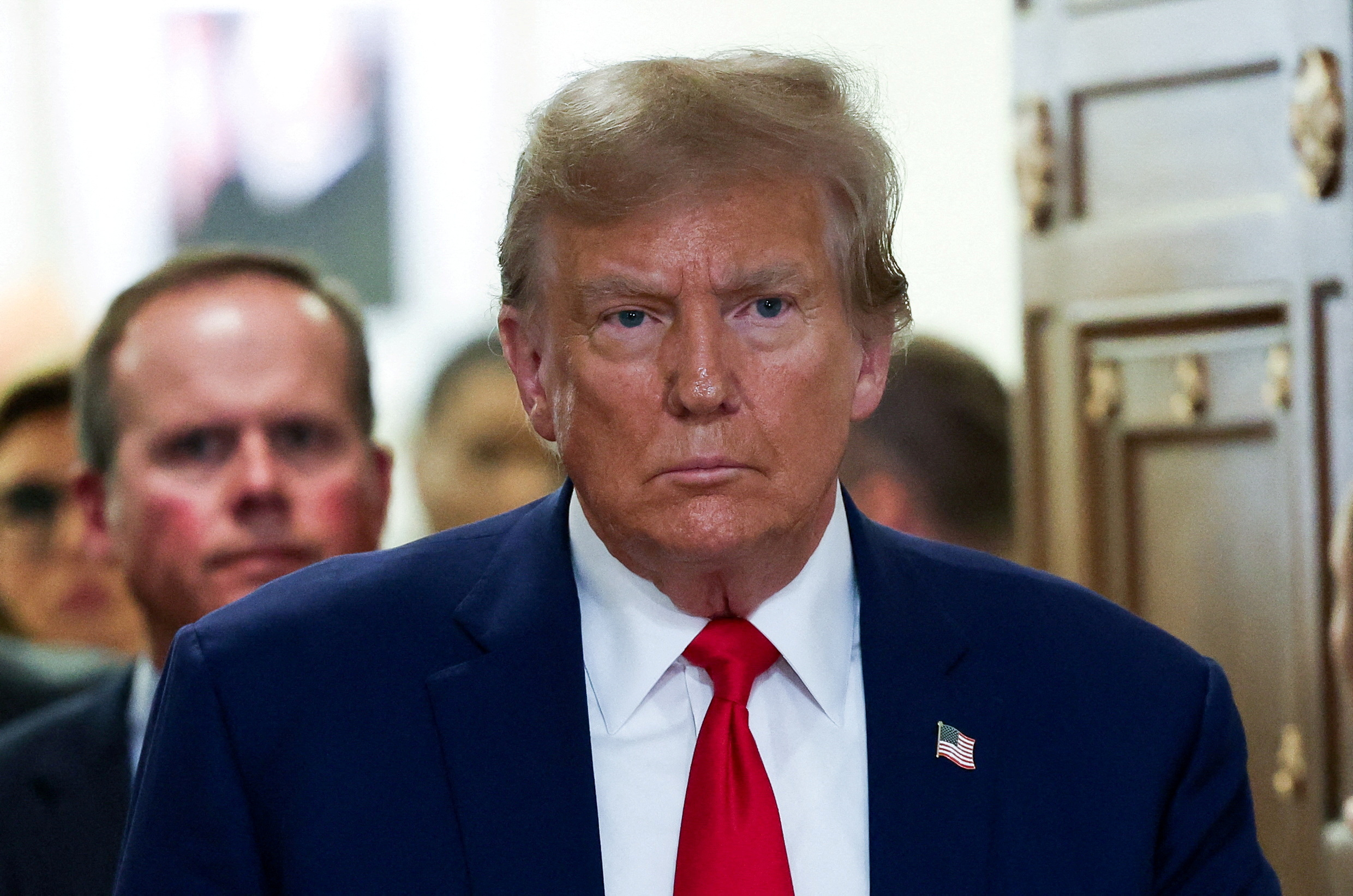
When pressed by reporters, Mr. Trump appeared visibly irritated. “I thought that was finished,” he said, questioning why the topic continued to dominate press briefings. He framed the renewed attention as a political distraction, accusing Democrats of using Epstein to deflect from what he described as Republican policy successes.
In the course of his remarks, Mr. Trump referenced former President Bill Clinton, with whom Epstein had long been associated in media reporting. Mr. Trump said he felt “bad” for individuals whose photographs or names had surfaced in connection with Epstein, while reiterating that Epstein had been a fixture in elite social circles for years. Mr. Trump again denied ever visiting Epstein’s private island, a claim he has made previously.
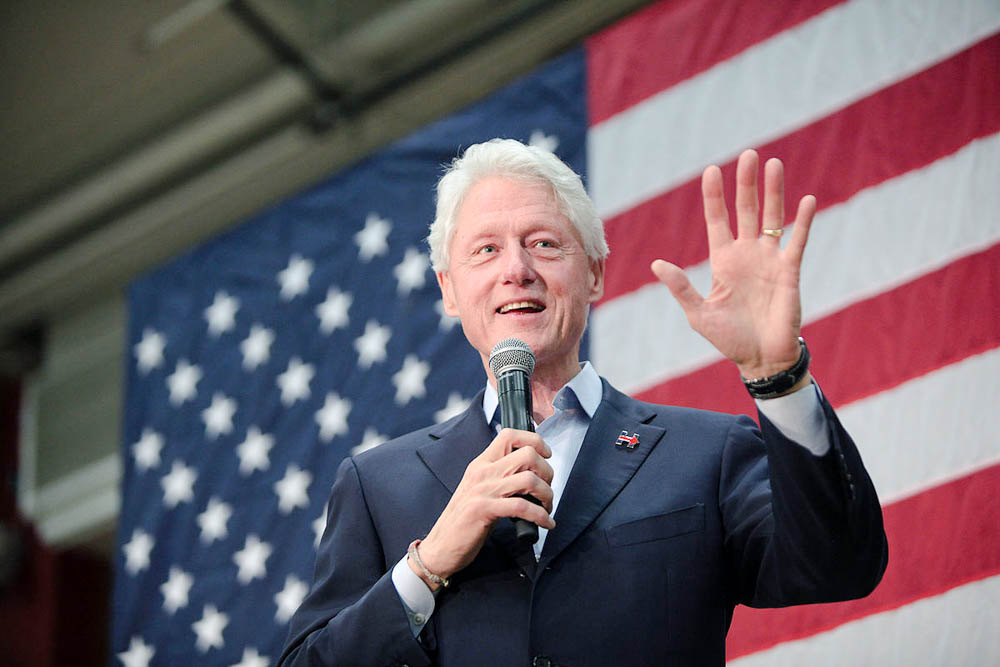
The comments immediately drew scrutiny, not only for their substance but for their timing. Earlier in the week, Mr. Clinton publicly called for the release of all unclassified Epstein-related documents, urging full transparency. Advocacy groups representing survivors of sexual abuse have echoed that demand, saying prolonged secrecy has deepened public mistrust.
The press conference ranged far beyond Epstein. In rapid succession, Mr. Trump discussed Greenland, asserting that U.S. national security interests require a stronger American presence there—a claim rejected by Denmark and Greenlandic officials in the past. He also made pointed remarks about Venezuela and Colombia, accusing their governments of facilitating drug trafficking into the United States, language that foreign policy analysts said risked escalating diplomatic tensions.
Mr. Trump also defended the administration’s seizure of oil shipments linked to Venezuela, saying the United States would “keep” the oil, potentially sell it, or add it to strategic reserves. Legal experts note that such seizures typically rest on complex sanctions authorities and remain subject to international law and court challenges.
Throughout the appearance, the president offered a series of numerical claims—on drug prices, overdose deaths, and arms sales—that independent analysts said would be difficult to verify in real time. Mr. Trump has frequently cited large percentage reductions in drug prices, though health economists note that price changes vary widely by medication and market.
What troubled critics most, however, was not any single statement but the cumulative effect. “This wasn’t just rambling,” said one former national security official, speaking on condition of anonymity. “It was a window into how unresolved issues—Epstein foremost among them—continue to destabilize public trust.”
The Epstein matter has proven uniquely persistent because it intersects with power, privilege, and accountability across party lines. While no comprehensive evidence has emerged implicating Mr. Trump in Epstein’s crimes, the administration’s handling of the records has become a political vulnerability. Lawmakers have warned that continued noncompliance with disclosure requirements could invite court action or congressional enforcement measures.
Supporters of the president argue the criticism is opportunistic and ignore the legal and ethical complexities of releasing sensitive files. “You can’t just dump everything without consequences,” said a Republican strategist. “That’s not transparency—that’s recklessness.”
Still, public polling suggests that interest in the Epstein files has not faded. For many Americans, the issue has come to symbolize a broader concern: whether powerful institutions are capable of holding themselves accountable when the truth is uncomfortable.
As the press conference ended, no new disclosures were announced, and no timelines were offered. The result was familiar: heightened tension, sharper divisions, and lingering questions.
The Epstein controversy, once thought to be receding into the background of American political life, appears instead to be entering a new phase—one driven less by rumor than by unresolved demands for clarity. Whether the administration can quiet those demands remains uncertain. For now, the issue persists, refusing to be declared finished.