Sydney — Canadian Prime Minister Mark Carney arrived in Australia for a multi-day official visit focused primarily on strengthening economic ties, investment cooperation, and strategic coordination between the two middle powers, even as discussions incorporate perspectives on recent military actions in the Middle East.

The trip follows Carney’s engagements in India and precedes a stop in Japan, reflecting a deliberate effort to cultivate diversified partnerships amid shifting global dynamics. Bilateral priorities include expanding trade routes, encouraging cross-investment from Australia’s substantial pension funds into Canadian infrastructure and critical minerals sectors, and advancing shared interests in areas such as artificial intelligence governance, maritime security, and supply-chain resilience.
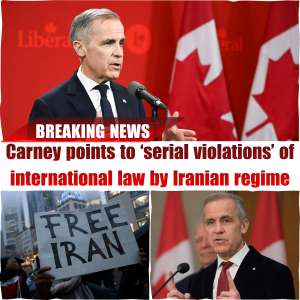
A notable element of the visit involves alignment on the US-Israeli strikes targeting Iranian facilities associated with its nuclear program. In an initial statement issued shortly after the operations began, Carney affirmed that Canada supports actions by the United States aimed at preventing Iran from acquiring nuclear weapons and from further endangering international peace and security. The statement described Iran as a principal source of regional instability, cited its human rights record, and reaffirmed Israel’s right to self-defense, while making clear that Canada was not involved in planning or execution and would not participate militarily.
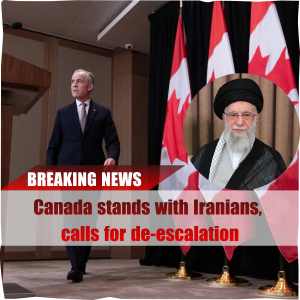
Subsequent commentary from Foreign Affairs Minister Anita Anand introduced additional layers, emphasizing the need for negotiation and diplomatic engagement at this stage. During his time in Australia, Carney has qualified his earlier position by expressing regret over the necessity of military measures, describing the situation as a further illustration of challenges within the existing international order. He has called for rapid de-escalation, respect for international rules of engagement, and protection of civilian lives, while reiterating support for efforts to neutralize proliferation risks through sustained diplomacy where possible.
This evolution in messaging highlights internal considerations within the Canadian government. Analysts observe that the initial support aligned Canada with longstanding concerns over Iran’s nuclear activities—concerns shared across G7 partners and reflected in prior designations of entities such as the Islamic Revolutionary Guard Corps. At the same time, the subsequent emphasis on diplomacy and international law reflects sensitivity to multilateral norms, domestic debates over unilateral actions, and the desire to preserve space for future negotiations.
Australia has maintained a comparable posture, expressing understanding of the security rationale behind the strikes while stressing the importance of avoiding broader escalation and prioritizing civilian protection. Both countries’ positions draw from shared commitments to non-proliferation regimes and concerns over regional stability, particularly given their reliance on secure global trade routes.

The convergence is noteworthy given the two nations’ geographic distance from the Middle East and their limited direct operational roles in the region. It illustrates how middle powers can coordinate declaratory positions on global security challenges without assuming frontline responsibilities. Observers note that this approach allows flexibility: supporting specific objectives related to proliferation while advocating for diplomatic off-ramps and adherence to established legal frameworks.
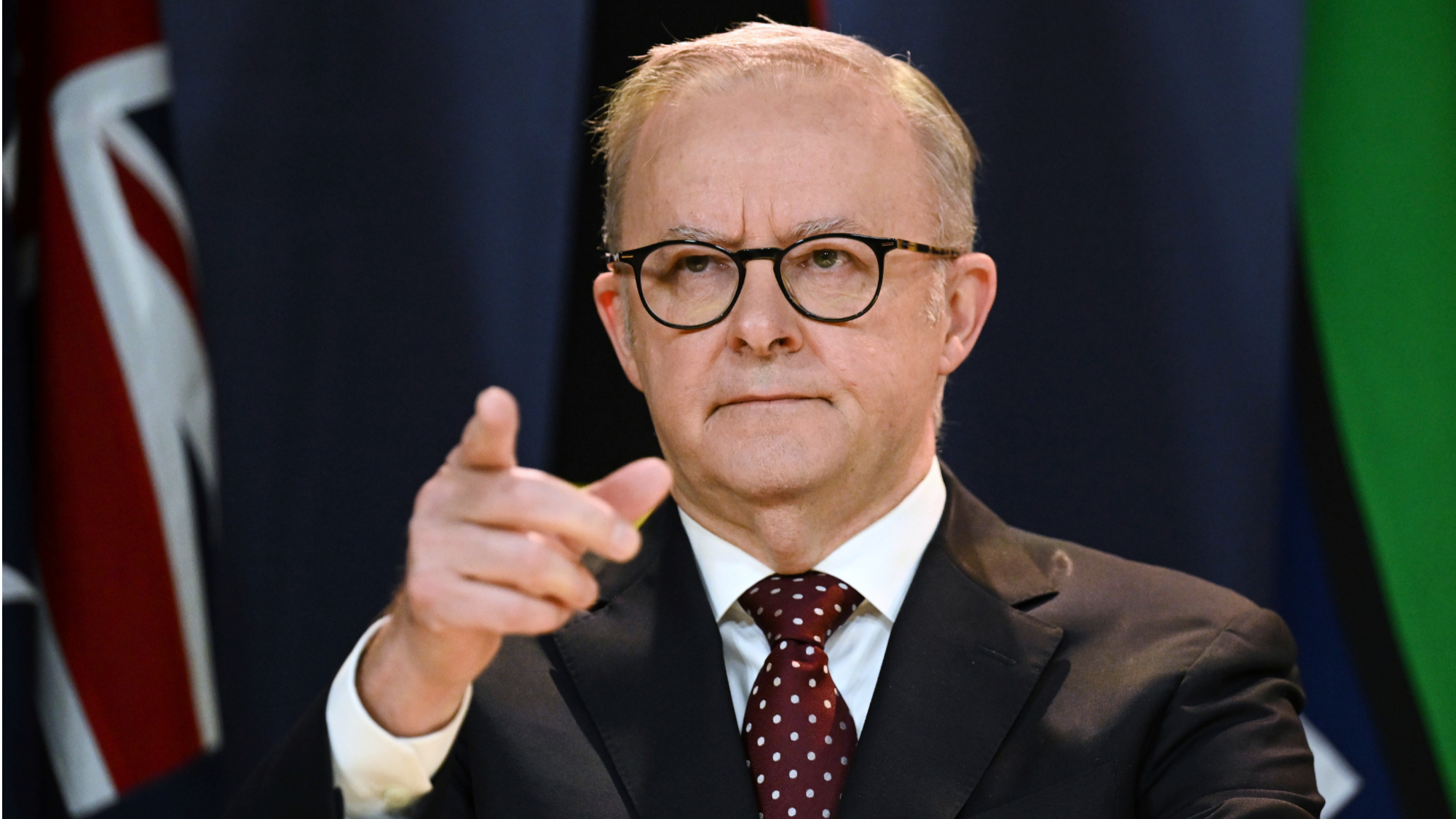
Broader bilateral discussions remain anchored in practical cooperation. Carney has highlighted the “natural partnership” between Canada and Australia, rooted in common democratic values, Commonwealth ties, and parallel efforts to diversify economic dependencies away from over-reliance on single partners. Personal rapport between Carney and Australian Prime Minister Anthony Albanese is seen as facilitating progress on these fronts, despite differing domestic political orientations.
Economic dimensions are central. Both nations possess significant institutional capital and resource endowments, creating opportunities for joint ventures in clean energy, critical minerals processing, and resilient supply chains. The visit includes business engagements in Sydney and a high-profile address to the Australian Parliament in Canberra, where Carney is expected to elaborate on his vision of networked middle-power coalitions to navigate an era of strategic disruption.
The Middle East component, while prominent in public attention, is not anticipated to overshadow these core objectives. Officials from both sides have indicated that talks will address the full spectrum of bilateral interests, with the security dimension serving as one element within a wider framework of cooperation.
The visit occurs against a backdrop of broader geopolitical recalibrations. Carney has previously described fundamental changes to the global order, necessitating proactive alliance-building among middle powers to safeguard shared priorities. Australia, while maintaining close alliance ties with the United States, shares interests in economic diversification and rules-based stability.
As engagements proceed, the interplay between security alignment and economic-strategic priorities will likely shape outcomes. The nuanced handling of the Iran-related developments—initial support tempered by calls for diplomacy—exemplifies a pragmatic approach: addressing immediate threats while preserving diplomatic avenues and multilateral credibility.
For Canada and Australia, the relationship offers a model of middle-power coordination: pragmatic, issue-specific convergence complemented by sustained collaboration on long-term resilience and global governance.