A recent campaign-style speech by Donald Trump has reignited a volatile debate in Minnesota, blending verified criminal prosecutions with sweeping accusations against elected officials and immigrant communities. The remarks, delivered to an enthusiastic crowd, ricocheted across social media within hours—less for new evidence than for their intensity and reach.
At the center of the controversy is Minnesota’s sprawling pandemic-era fraud prosecutions, most prominently the Feeding Our Future case, in which federal prosecutors have charged dozens of defendants with siphoning hundreds of millions of dollars from nutrition programs intended for children. The indictments are real. The criminal cases are ongoing. And the scale of the fraud has already forced state and federal agencies to confront serious failures in oversight during an emergency period when safeguards were loosened to speed aid.
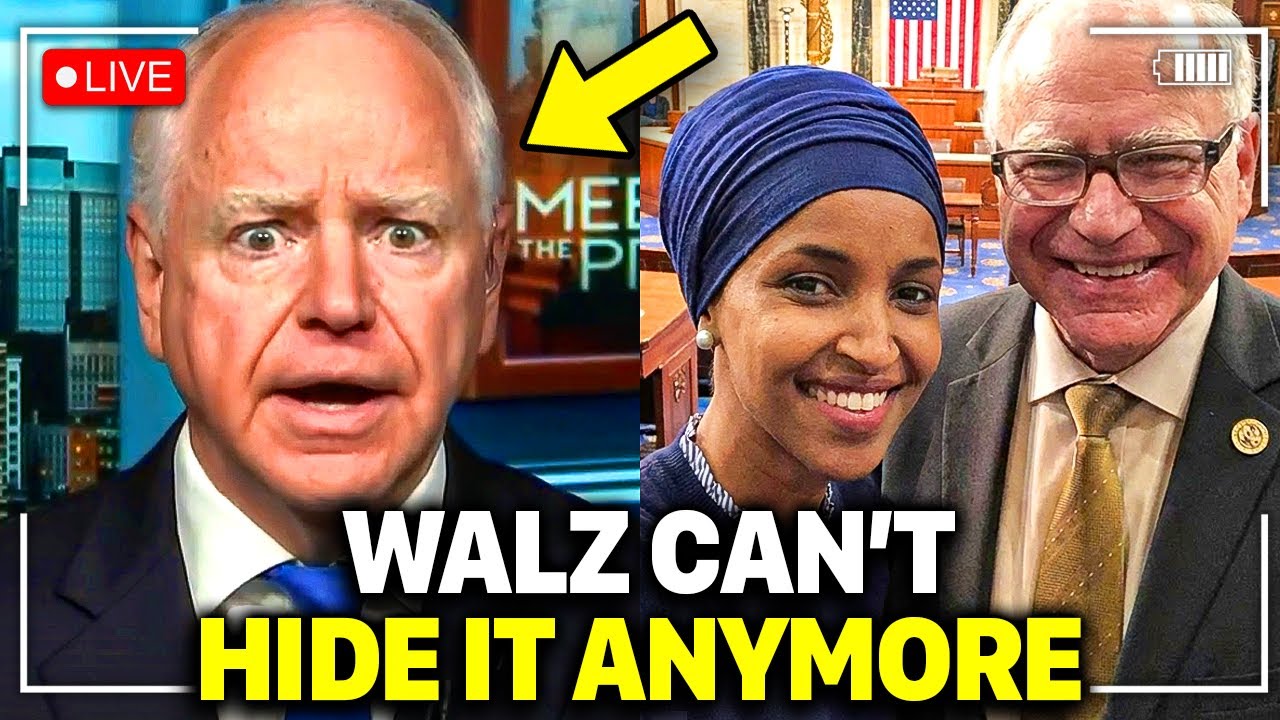
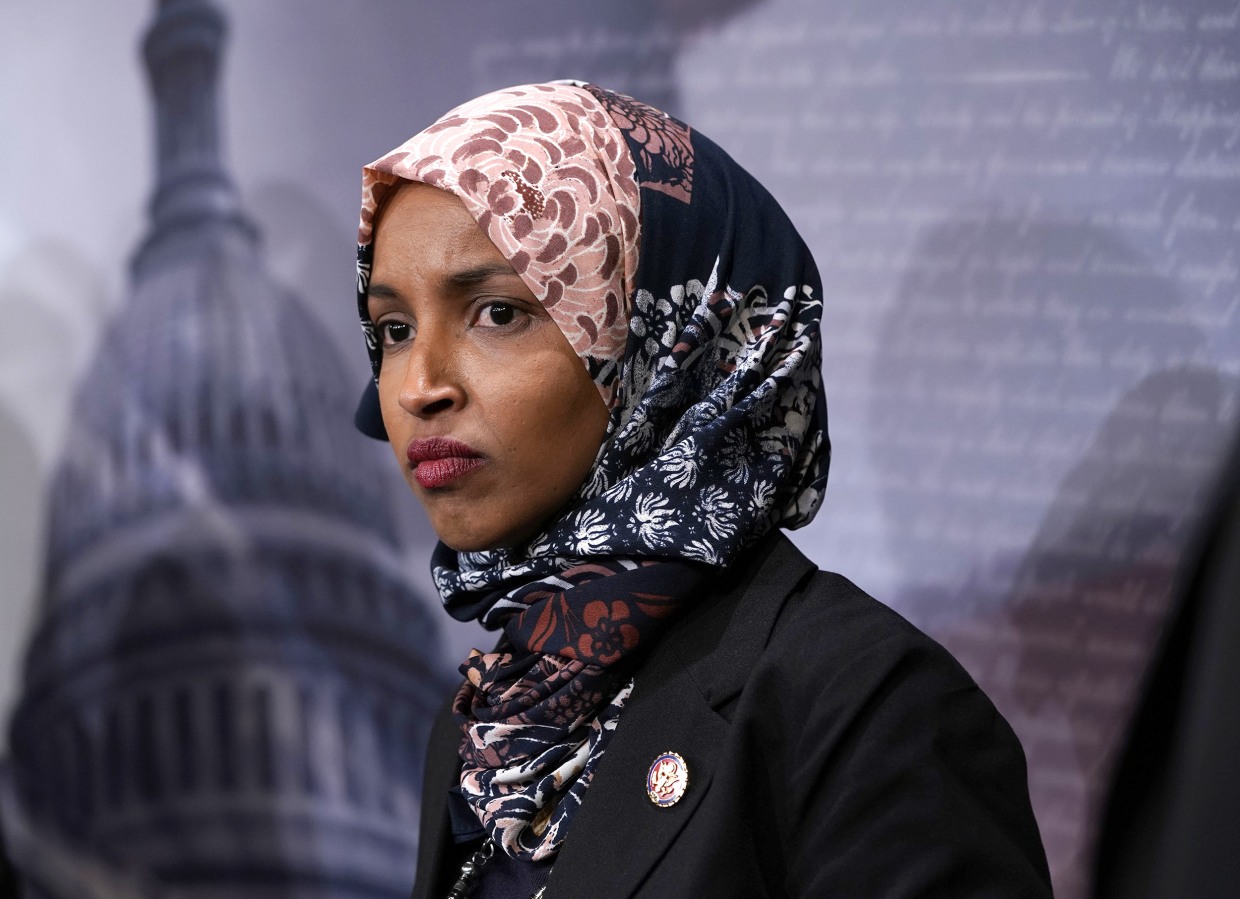
What followed in the speech, however, marked a shift from documented cases to expansive claims that critics say collapse nuance into provocation. Trump accused Minnesota leaders of knowingly allowing fraud to flourish and leveled personal allegations against Ilhan Omar, claims that her office has repeatedly denied and that have not been substantiated by court findings. Law enforcement agencies have likewise disputed assertions about recent encounters involving her family, saying no such incidents occurred as described.
The reaction was immediate and polarized. Supporters of the former president argued that his blunt language reflected public anger over government waste and lax oversight. Opponents warned that the rhetoric blurred the line between legitimate accountability and collective blame, particularly when references extended beyond individual defendants to broader communities.

Minnesota officials, including Tim Walz, have acknowledged systemic weaknesses exposed by the fraud cases while rejecting claims that the crimes were ignored or tolerated. Walz has pointed to arrests, convictions, and ongoing prosecutions as evidence that enforcement did occur—albeit too late to prevent massive losses. Independent reviews have since recommended tighter controls, stronger audits, and clearer lines of responsibility during emergencies.
What complicates the moment is timing. The prosecutions are colliding with a national election cycle in which immigration, crime, and government competence are already dominant themes. Analysts note that while fraud cases demand scrutiny, they also risk being reframed into symbols that exceed their legal scope. “When criminal indictments become campaign shorthand,” said one former federal prosecutor, “facts can get flattened, and allegations start traveling faster than evidence.”
Behind the scenes, state agencies are bracing for further inquiries. Federal investigators continue to expand their work across multiple programs, and lawmakers from both parties are pressing for reforms that would prevent similar abuses in future crises. That process, policy experts emphasize, depends on precision—distinguishing between proven criminal conduct and unproven accusations, and between individual culpability and community identity.
The speech’s viral afterlife underscores a broader challenge facing American politics: how to address real failures without amplifying misinformation. Social platforms rewarded the most incendiary excerpts, while quieter clarifications from agencies and court records struggled to keep pace. By nightfall, the debate had shifted from how fraud occurred to who could be blamed for it—an evolution that civil rights groups say risks inflaming tensions without improving oversight.
None of this diminishes the seriousness of the crimes already charged. Billions of dollars in emergency spending nationwide remain under review, and Minnesota’s cases are among the largest. But as the investigations continue, the distinction between what has been proved and what is merely alleged will matter—not only for defendants and officials, but for public trust.
The episode leaves voters with a familiar dilemma: how to demand accountability without surrendering accuracy. As one legislative aide put it privately, “Oversight works best when it’s boring—documents, timelines, audits. When it becomes spectacle, the truth can get lost.” Whether that balance can be restored, amid a campaign season that rewards outrage, remains an open question.