💥 GLOBAL SHOCKER: U.S. CONGRESS CHECKMATES DONALD TRUMP OVER VENEZUELA POWER PLAY — An explosive war-powers clash, whispers of a rushed operation, and insiders warning this move could trigger fallout far beyond Washington ⚡
WASHINGTON — A rare and escalating confrontation between the White House and Capitol Hill unfolded this week after lawmakers from both parties signaled their intent to challenge President Donald Trump over his administration’s actions involving Venezuela, framing the dispute as a fundamental test of Congress’s war-making authority.
The clash follows statements and briefings from administration officials suggesting that the United States has taken unprecedented steps against the Venezuelan government, including military operations aimed at forcing political change. While details remain contested and official confirmation has been limited, the response from lawmakers was swift and unusually blunt.
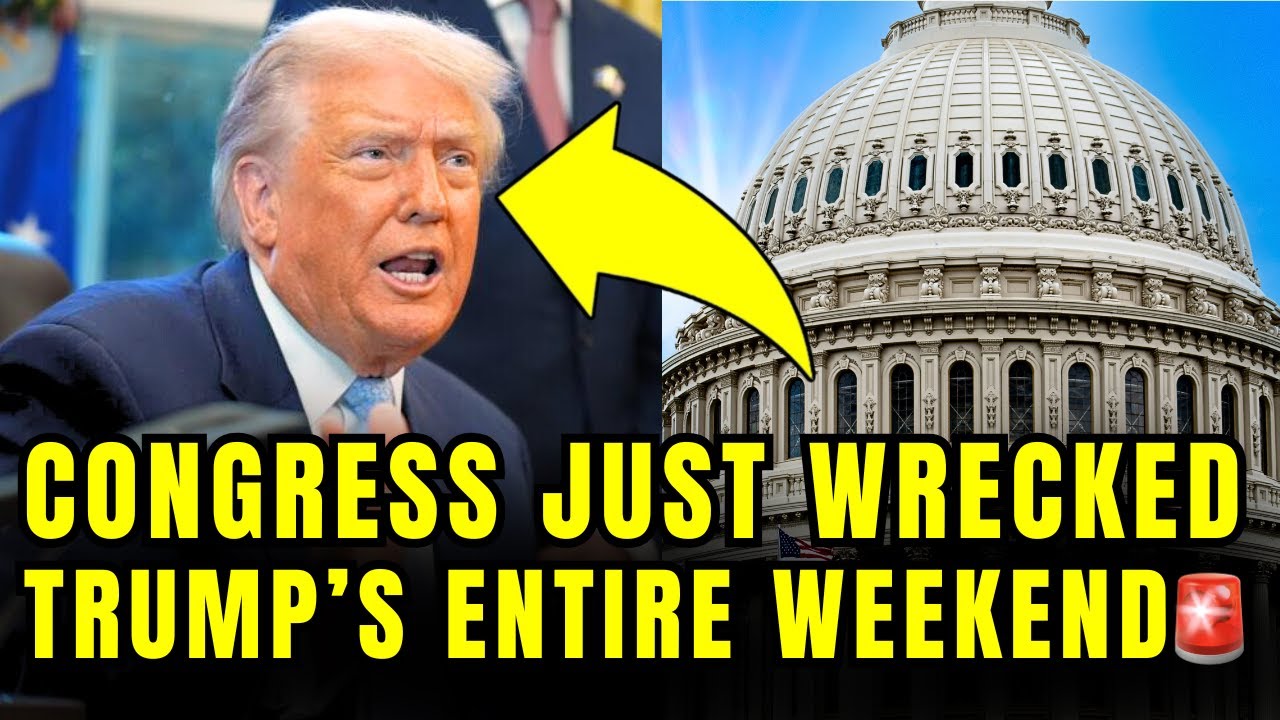
Several members of Congress said the president had exceeded his constitutional authority by acting without congressional approval, warning that such actions could entangle the United States in another prolonged foreign conflict with global repercussions.
“This is not a gray area,” one senior lawmaker said in an interview. “If the United States is using military force to seize control of another country’s leadership or territory, Congress must authorize it. That is not optional.”
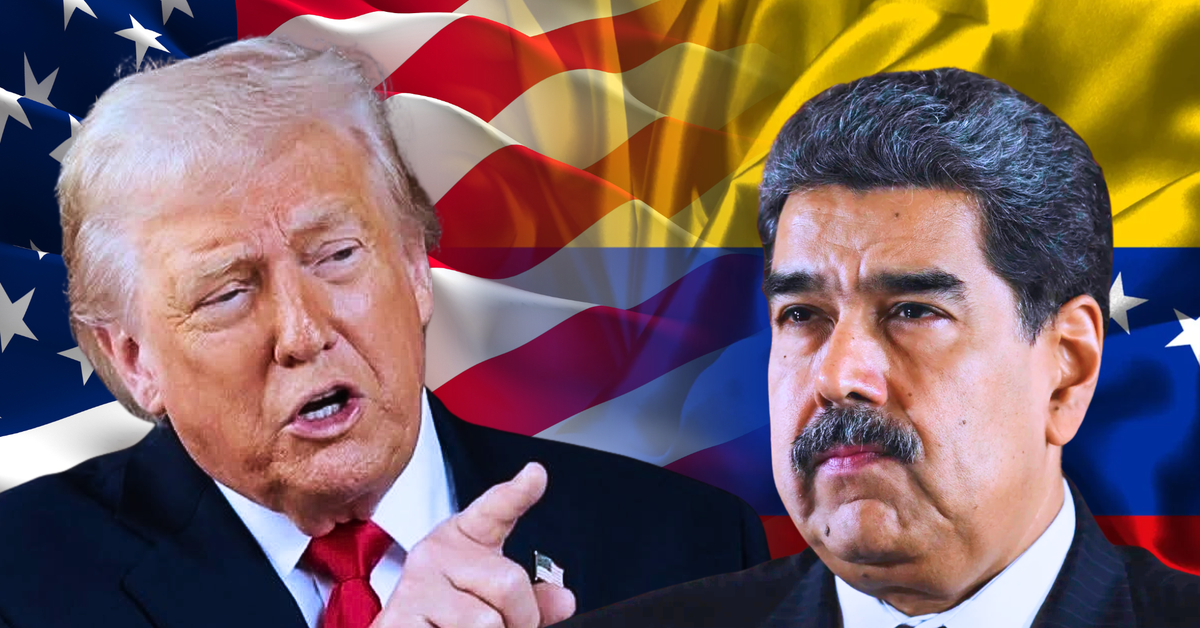
At the center of the controversy is Venezuela, a nation of more than 30 million people that has endured years of political instability, economic collapse, and international sanctions under the leadership of Nicolás Maduro. Successive U.S. administrations have criticized Maduro’s government, accusing it of authoritarianism and corruption, while supporting opposition movements through diplomatic and economic pressure.
What distinguishes the current moment, lawmakers argue, is the apparent shift from pressure to direct intervention.
During a recent appearance, President Trump suggested that the United States would oversee Venezuela’s political future until what he described as a “safe, proper, and judicious transition” could be achieved. The remarks were interpreted by critics as an admission of intent to impose regime change—an approach that has long been controversial in American foreign policy.
Former members of congressional foreign affairs committees, including some who have previously opposed Maduro, expressed alarm. They warned that unilateral U.S. action could undermine international law, weaken American credibility, and provide justification for rival powers such as China and Russia to pursue similar interventions elsewhere.
“If the United States claims the right to remove foreign leaders by force without international or congressional approval,” one former lawmaker said, “we lose the moral standing to object when others do the same.”
The administration has defended its posture as necessary for national security and regional stability, though it has not publicly detailed the legal framework underpinning its actions. White House officials have argued that existing authorities allow the president to act swiftly in response to threats, particularly in the Western Hemisphere.
On Capitol Hill, that argument is facing resistance.
Lawmakers are now advancing a resolution under the War Powers Act, a 1973 law designed to limit the president’s ability to engage U.S. forces in hostilities without congressional consent. If passed, the resolution would require the administration to halt military operations related to Venezuela unless Congress formally authorizes them.
Supporters of the measure say the issue transcends party loyalty.
“This is not about whether you support or oppose the Venezuelan government,” said one sponsor. “It’s about whether we still believe the Constitution means what it says.”
The political implications are significant. Trump campaigned on a promise to avoid “endless wars,” frequently citing his record of not initiating major foreign conflicts during his earlier term. Critics now argue that military involvement in Venezuela contradicts that message and could destabilize the region further, potentially increasing migration pressures toward the United States.
Foreign policy analysts note that Venezuela’s situation is uniquely complex. Any prolonged U.S. presence, they warn, could trigger internal resistance, regional backlash, and unforeseen escalation—particularly if other global powers choose to intervene diplomatically or militarily.
For now, the immediate outcome remains uncertain. The war powers resolution faces procedural hurdles, and its success may depend on whether enough lawmakers from the president’s own party are willing to break ranks.
Still, the debate itself signals a shift. In an era when Congress has often deferred to the executive branch on matters of war and peace, the Venezuela dispute has revived long-dormant questions about constitutional balance.
As one veteran senator put it, “This is not just about Venezuela. It’s about who decides when America goes to war.”
Whether Congress ultimately succeeds in restraining the president may shape not only U.S. policy toward Venezuela, but the future boundaries of presidential power itself.