Washington is experiencing two realities at once. In one, President Donald Trump is racking up an extraordinary string of victories at the Supreme Court of the United States, often within days, through emergency appeals that allow his administration to proceed with contested policies. In the other, the machinery of government tasked with executing those policies is showing visible strain, as cabinet officials face growing scrutiny from judges, lawmakers, and the public.
The tension between those realities is reshaping the balance of power in ways that extend far beyond any single policy fight.
Since late autumn, the Supreme Court has issued more than two dozen emergency orders connected to the Trump administration’s second-term agenda. These rulings do not resolve cases on the merits. Instead, they pause or overturn lower-court decisions while litigation continues—often for months or years. In practice, that has allowed the administration to move ahead with actions that district judges had already deemed unlawful or insufficiently justified.
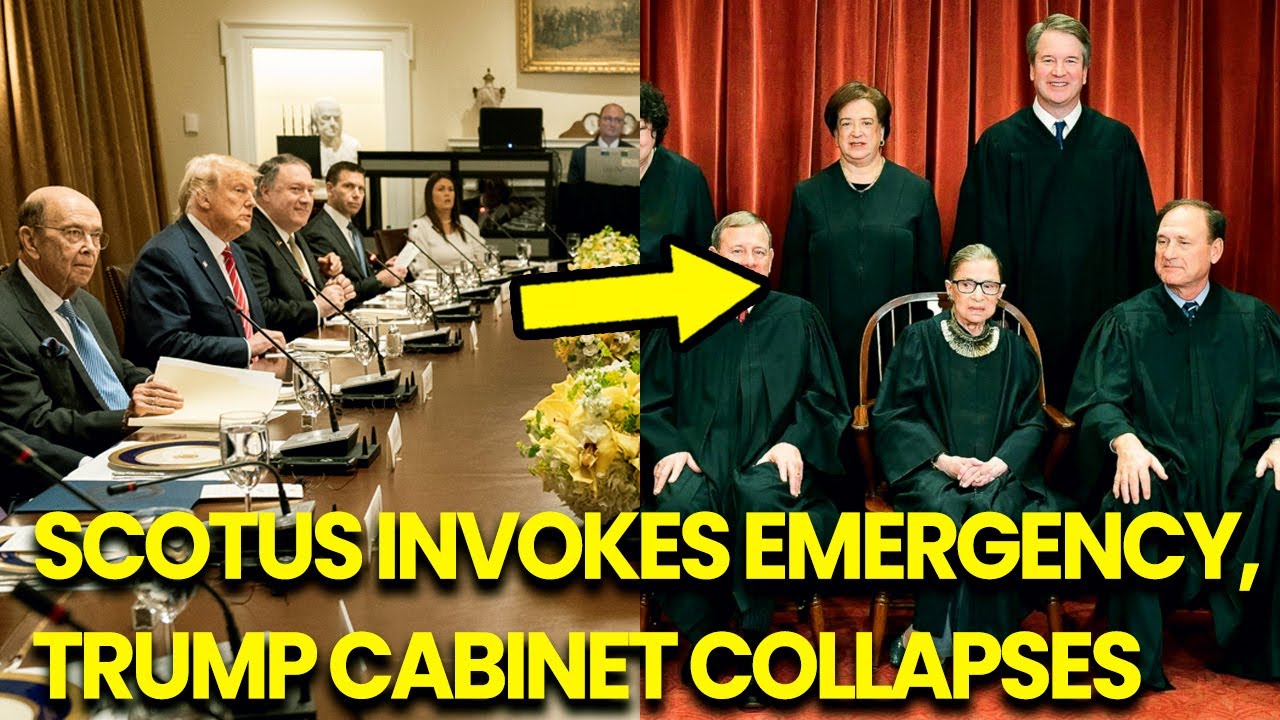
Emergency relief has long been part of the Court’s toolkit, reserved for situations that truly cannot wait. But critics argue that its expanding use in high-stakes governance disputes has transformed the emergency docket into something closer to a fast-track for executive power.
One of the most closely watched examples involves the president’s authority to remove officials from independent regulatory agencies. Lower courts have repeatedly held that commissioners at agencies like the Federal Trade Commission are protected by statute from at-will dismissal. When the Trump administration challenged those limits, the Supreme Court intervened on an emergency basis, allowing the president’s decision to stand while the broader constitutional question remains unresolved.
In a rare public dissent, Justice Ketanji Brown Jackson warned that the Court was effectively deciding foundational separation-of-powers questions without full briefing or oral argument. Her concern was not only procedural, but institutional: emergency rulings, she wrote, risk becoming precedents in all but name.
A similar pattern has played out in immigration and domestic security cases. When federal judges blocked elements of the administration’s enforcement strategy—whether over detention practices or the deployment of federal forces—the White House moved swiftly to seek emergency stays. More often than not, the Court granted them.
The result is a presidency operating with expanded legal latitude, even as the practical consequences of that expansion land squarely on cabinet departments.

Nowhere is that more evident than at the Department of Homeland Security, led by Kristi Noem. Congressional hearings and court filings have highlighted instances in which U.S. citizens were mistakenly detained during immigration operations, along with allegations that court-ordered limits on deportations were ignored or misapplied. Federal judges have issued sharp rebukes, and lawmakers from both parties have demanded explanations.
Administration officials insist the errors are isolated and inevitable in large-scale enforcement actions. But the political damage has been cumulative. According to multiple reports, the White House is quietly reviewing senior leadership at DHS and other departments, weighing whether changes are necessary ahead of the administration’s second year.
That dynamic—legal empowerment paired with administrative vulnerability—has become a defining feature of Trump’s governance. Supreme Court rulings may authorize sweeping action, but they do not guarantee effective execution. When policies are rolled out quickly, with little margin for error, even minor failures can escalate into constitutional disputes and political crises.
For the Court, the stakes are equally high. By repeatedly siding with the executive on emergency appeals, the justices are shaping the contours of presidential authority for decades to come. Those decisions will not apply only to this president, or to policies favored by one party. They will apply to all future occupants of the office, regardless of ideology.
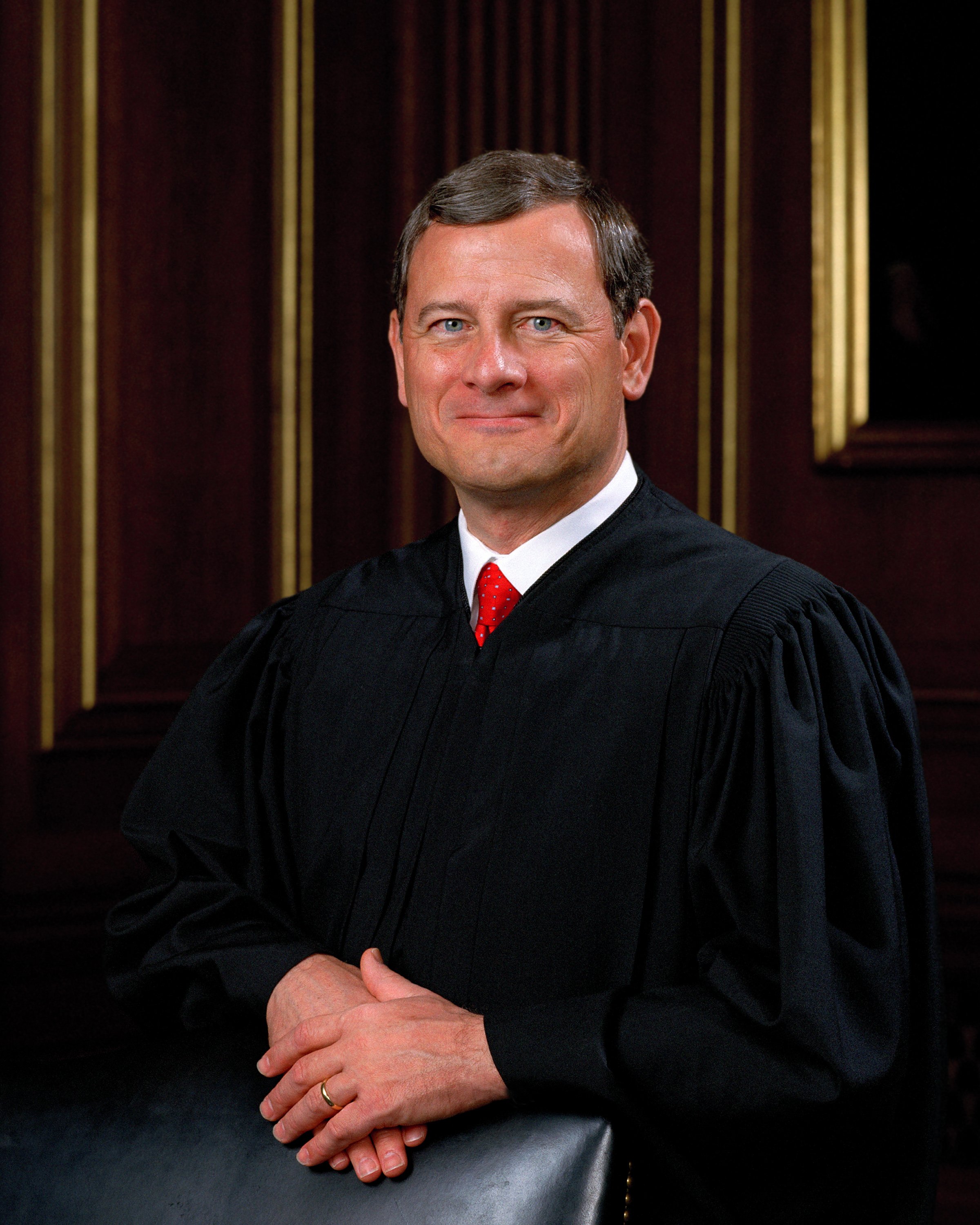
Supporters of the Court’s approach argue that it is merely enforcing Article II of the Constitution as written, correcting decades of judicial overreach that constrained the executive branch. Critics counter that the cumulative effect is the emergence of an “emergency-powered presidency,” in which meaningful checks arrive only after policies have already taken effect.
What makes the moment especially consequential is its quietness. There are no sweeping majority opinions, no televised arguments, no dramatic announcements. Power is shifting through short orders, late-night rulings, and procedural stays—noticed mostly by lawyers and judges until their consequences reach the public.
As Congress prepares for another election cycle and the administration weighs a possible cabinet reshuffle, the question is no longer whether the presidency is becoming stronger. It is whether the institutions meant to absorb that strength—the courts, Congress, and the executive branch itself—can do so without fracturing.
The answer will shape not just the remainder of this term, but the future architecture of American government.