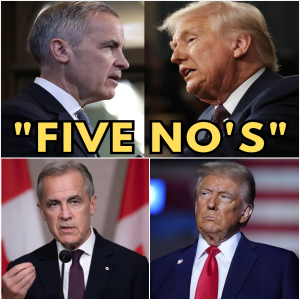
OTTAWA — Canadian politics rarely turns on a single television interview. But in the past 48 hours, remarks by Pierre Poilievre have set off an unusually public bout of speculation about loyalty, leadership and the durability of party lines in a Parliament already defined by volatility.
Asked whether Conservative members of Parliament were considering crossing the floor, Poilievre declined to give a categorical denial. That restraint — routine by the standards of political media training — landed with uncommon force. Within minutes, clips of the exchange were ricocheting across social platforms, fueling talk that tensions inside the Conservative caucus may be deeper than the party has acknowledged.
The idea of MPs defecting is not new in Ottawa. Floor crossings, while rare, have punctuated Canadian political history at moments of transition or uncertainty. What made this episode different was the speed with which it escalated — and the name increasingly attached to it. Behind the chatter was a figure not currently sitting in the House of Commons but looming large in the national conversation: Mark Carney.

Carney, the former central banker whose economic credibility has drawn interest across party lines, has not publicly courted defectors. Nor has he commented on the speculation. Yet his growing profile — and the perception that he represents a steady alternative in an anxious political climate — has turned him into a gravitational force in Ottawa’s rumor mill.
Conservative officials insist the caucus remains united. Several MPs privately dismissed the idea of imminent defections as overblown, pointing out that disagreements over strategy are normal for a party preparing for a national campaign. Still, the fact that the question is now being asked openly — and not waved away — underscores a sense of unease.
For Poilievre, whose leadership style prizes message discipline and sharp contrasts, the moment is awkward. His rise has been fueled by a clear narrative: Conservatives as the vehicle for voter frustration over affordability, governance and trust. Speculation about internal fractures threatens that narrative, even if no one ultimately leaves.
The Liberal side has been careful not to gloat. Officials familiar with internal discussions say there is no coordinated effort to lure Conservative MPs. But they acknowledge that Carney’s presence has complicated the landscape. In a minority Parliament, where margins are thin and alliances fluid, even the perception of movement can matter.
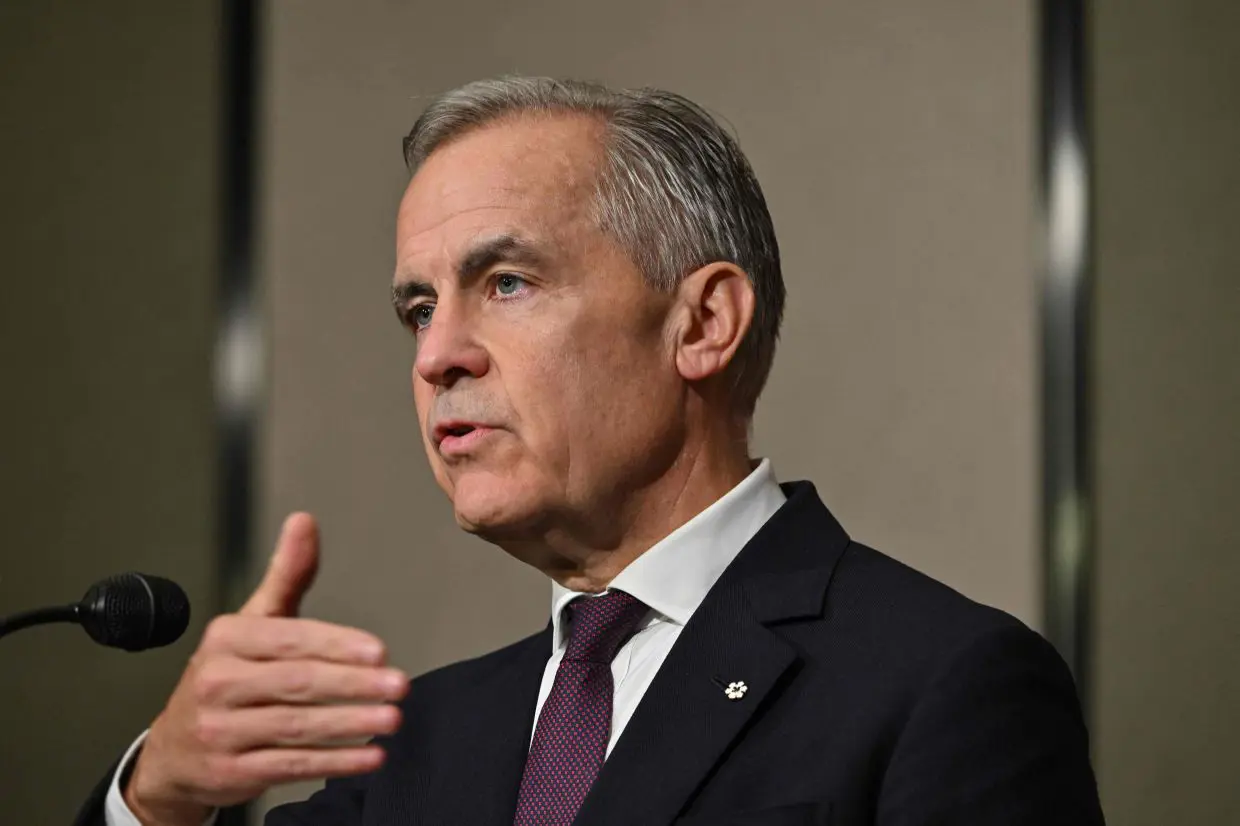
Political scientists note that rumors of defection often say as much about anxiety as intent. “When parties feel confident, they shut these stories down instantly,” said one observer. “When confidence wobbles, ambiguity fills the gap.” In that sense, Poilievre’s refusal to rule anything out may reflect caution rather than crisis — but politics is rarely kind to nuance.
The broader context is a Parliament in which traditional alignments are under strain. Economic uncertainty, voter fatigue and leadership turnover have created space for unconventional scenarios to be imagined, if not realized. Carney’s cross-partisan appeal — grounded in technocratic competence rather than retail politics — taps directly into that mood.
Yet crossing the floor remains a high-risk move. MPs who do so often face backlash from constituents and long-term damage to their credibility. Party loyalty, for all its frustrations, still carries weight in Canada’s system. That reality tempers even the most breathless speculation.
What is clear is that the conversation itself has become a political fact. Conservative MPs are being asked, publicly and privately, where they stand. Liberals are being asked whether they would welcome converts. And Carney, by saying nothing, has allowed others to project onto him whatever future they find plausible.
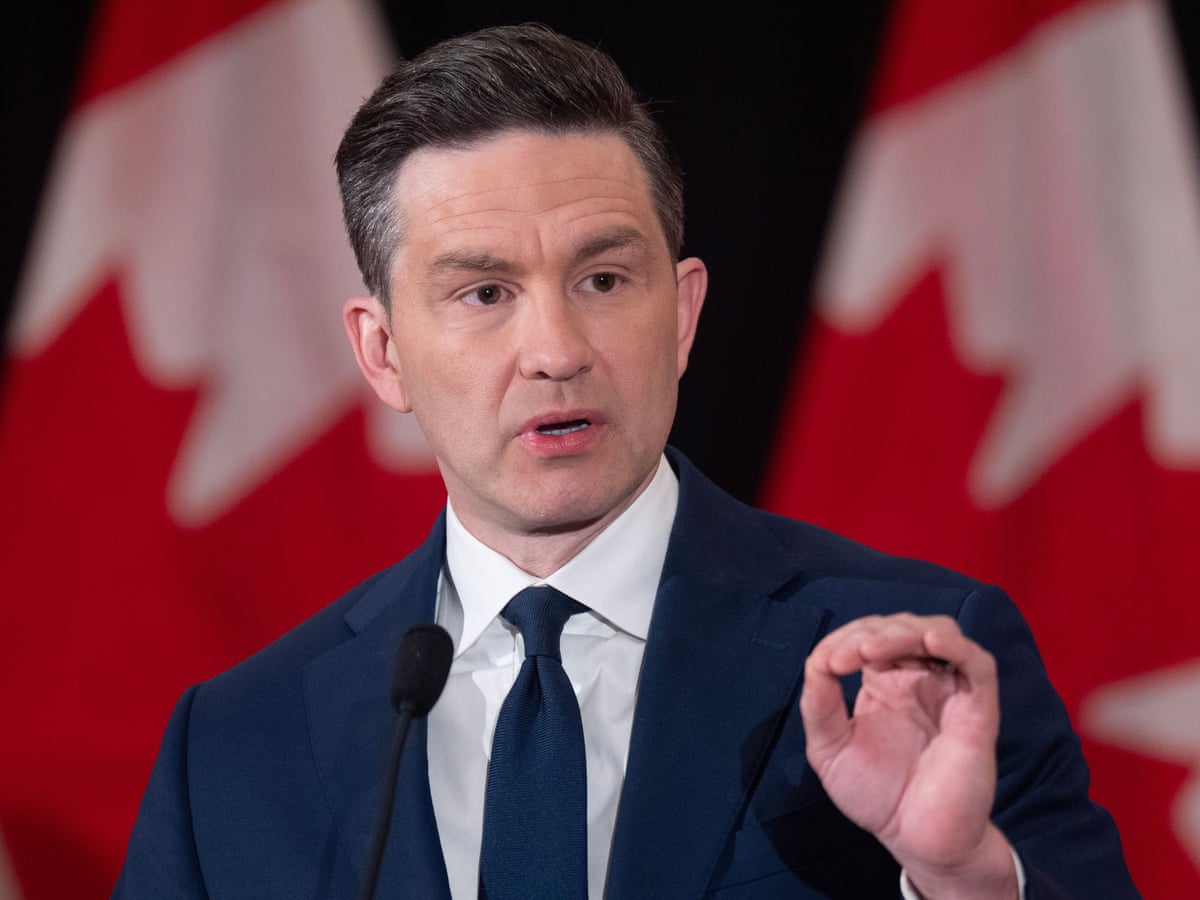
For Poilievre, the challenge now is to reassert control of the narrative — to show that his caucus is focused on opposing the government rather than watching its own flanks. Whether that requires sharper discipline or simply time remains to be seen.
In the end, Parliament may not flip. No dramatic walk across the aisle may occur. But the episode has exposed something less visible and more consequential: a sense that Canadian politics is in flux, and that familiar certainties — about who leads, who follows, and who belongs where — are no longer taken for granted.
In Ottawa, whispers rarely stay whispers for long. And even when they fade, they leave behind a question that can linger far beyond a single news cycle: if power is shifting, who will be ready to catch it when it does?