Vaccine Skepticism and Policy Signals Renew Public-Health Concerns in Several States
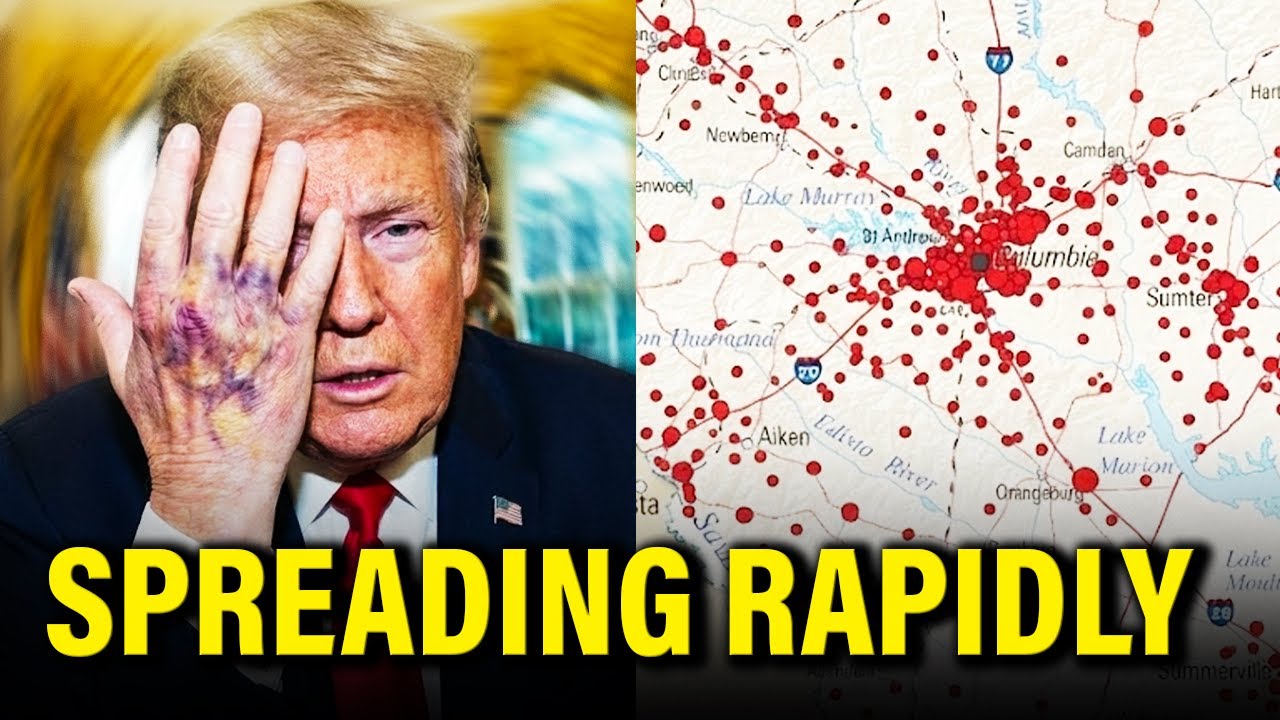
Washington — A renewed national debate over vaccination policy and political rhetoric has sharpened concerns among public-health officials, as clusters of preventable diseases have appeared in pockets of the United States with historically low immunization rates. While overall vaccination coverage remains high nationwide, experts warn that uneven uptake—combined with mixed political messaging—can quickly undermine years of progress.
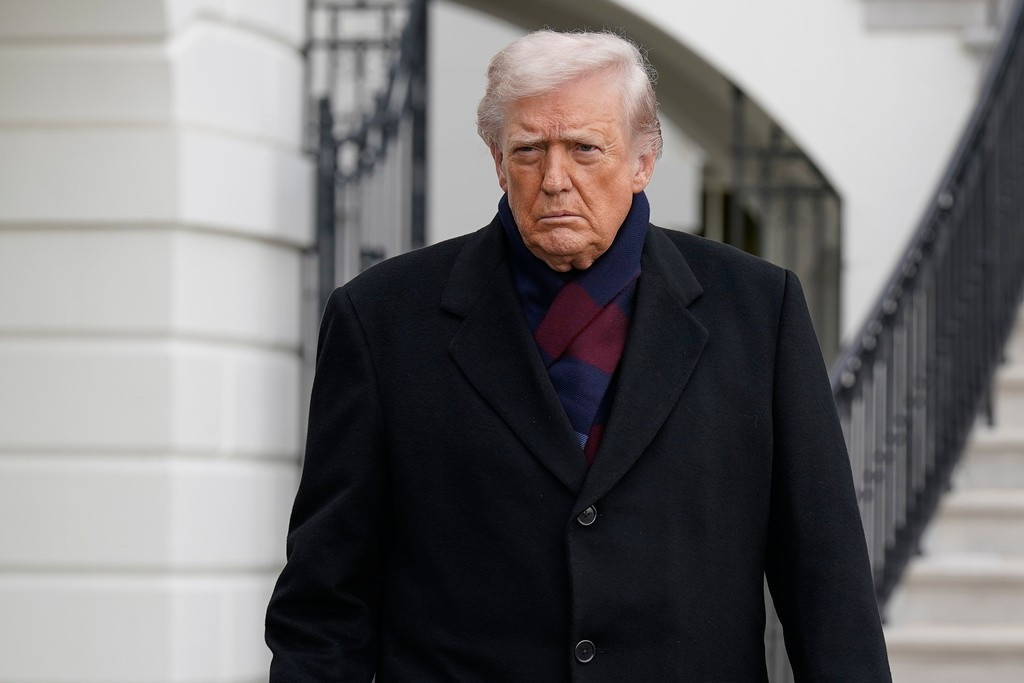
The concerns intensified after recent remarks by former President Donald J. Trump that echoed vaccine skepticism familiar to his supporters. Public-health specialists say such statements, even when not accompanied by formal policy changes, can influence behavior in communities already wary of vaccines, particularly in states where exemptions are common and local health departments are under strain.
“Disease control depends on trust,” said Dr. Anne Schuchat, a former principal deputy director of the Centers for Disease Control and Prevention. “When trust erodes, the effects can be localized at first, but they don’t stay local.”
A Patchwork of Risk
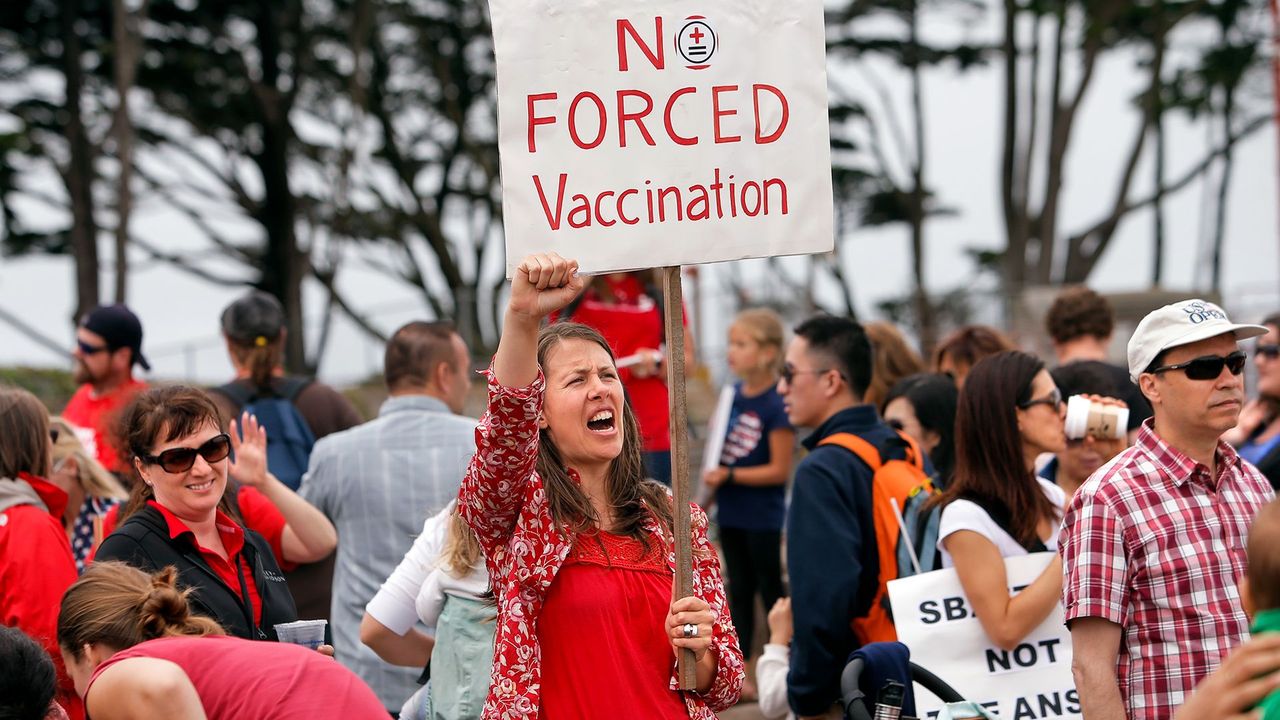
Data from the C.D.C. show that measles vaccination coverage among kindergarteners fell slightly during the pandemic years and has recovered unevenly. In several states—many of them Republican-leaning—coverage remains below the threshold typically required to prevent outbreaks. Public-health departments in those states have reported sporadic cases of measles and hepatitis A over the past two years, often linked to under-immunized communities.
Health officials stress that outbreaks are driven by multiple factors, including pandemic disruptions, misinformation on social media and resource constraints at local health agencies. Still, they say political rhetoric can amplify those pressures.
“When national figures question vaccines, it gives local resistance a megaphone,” said Dr. Joshua Sharfstein, vice dean at the Johns Hopkins Bloomberg School of Public Health.
Policy, Panels and Perception
Much of the current anxiety centers on how health guidance is communicated and implemented. Advisory panels at the federal and state levels play a crucial role in shaping vaccine recommendations, and their credibility depends on scientific independence. Former officials say that when appointments appear ideological, public confidence can suffer—even if the underlying guidance remains unchanged.
“There’s a difference between policy debate and undermining the process,” said Dr. Tom Frieden, a former C.D.C. director. “Once people believe science is being sidelined, they stop listening.”
No evidence suggests that federal vaccination schedules have been formally altered. But public-health leaders argue that uncertainty alone can delay uptake, particularly among parents making decisions about routine childhood immunizations.
Hospitals Feel the Strain

On the ground, pediatricians and emergency departments report practical consequences. Even small outbreaks can force quarantines, disrupt schools and increase costs for families and health systems. In rural areas, where hospital capacity is limited, the impact can be outsized.
“Every preventable case is a failure of the system,” said Dr. Maria Torres, a pediatrician in West Texas. “We spend time reassuring parents, tracking contacts and managing fear—time that could be spent on care.”
Health officials also warn that the United States’ status as having eliminated endemic measles—achieved in 2000—depends on sustained vigilance. Elimination does not mean the disease is gone, but that transmission is quickly contained. Pockets of low vaccination threaten that status, experts say.
Politics Meets Public Health
The debate has spilled into Congress and state legislatures, where lawmakers argue over mandates, exemptions and funding. Some Republican leaders have emphasized parental choice and skepticism of federal authority; Democrats have pushed for stricter school requirements and increased public-health investment.
Mr. Trump has long questioned aspects of vaccine policy, though he also presided over Operation Warp Speed, which accelerated Covid-19 vaccine development. Public-health experts say that mixed legacy complicates messaging.
“People hear what aligns with their beliefs,” said Dr. Sharfstein. “Consistency matters more than intent.”
A Warning From the Past
Former C.D.C. officials note that similar dynamics preceded measles outbreaks in 2014–15 and again in 2019. In each case, misinformation and declining coverage played central roles. The difference now, they say, is the broader erosion of trust following the pandemic.
“Covid changed the baseline,” said Dr. Frieden. “We’re starting from a more fragile place.”
What Comes Next
Health agencies are responding with targeted outreach, mobile clinics and partnerships with community leaders. Whether those efforts succeed may depend less on policy than on tone.
“Public health works best when it’s boring and bipartisan,” Dr. Schuchat said. “When it becomes a political symbol, everyone loses.”
For now, experts emphasize that vaccines remain safe, effective and widely available—and that preventing outbreaks requires collective action. The warning signs, they say, are not a prediction of collapse but a reminder of how quickly progress can unravel when confidence falters.
As one state health official put it, “We don’t need panic. We need clarity, consistency and trust.”