🚨 Diplomatic Firestorm: Trump–Carney Clash Tests the Limits of U.S.–Canada Relations

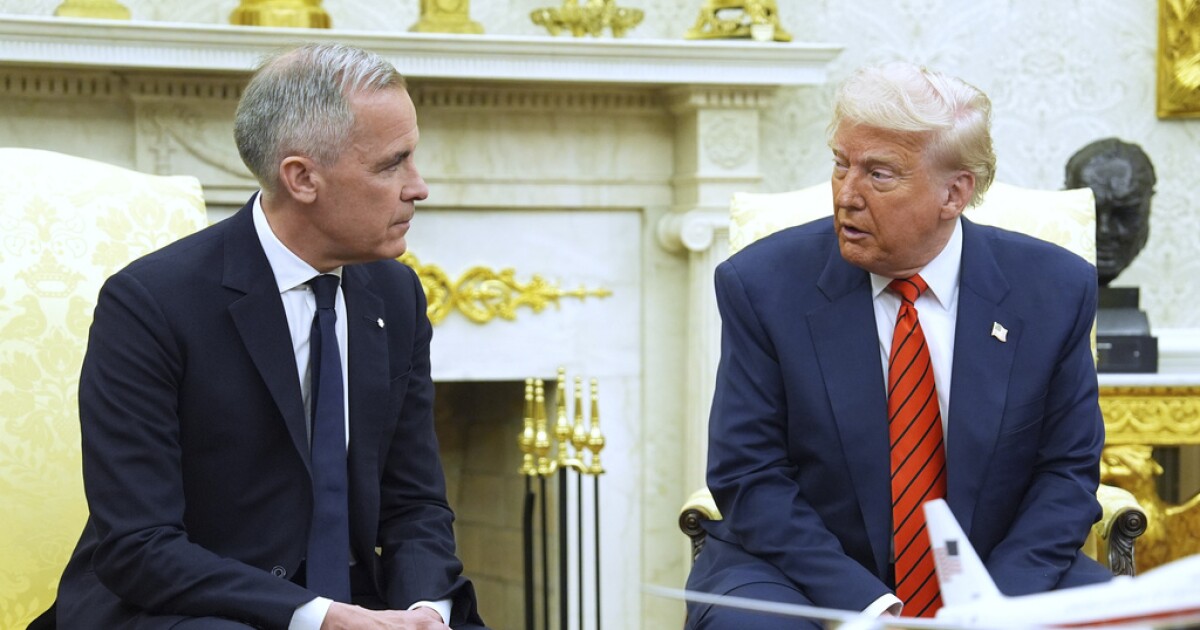
A sudden escalation in rhetoric has jolted one of the world’s closest alliances after reports surfaced that former U.S. President Donald Trump sharply criticized Canadian Prime Minister Mark Carney during a private call over economic policy differences.
While details of the exchange remain disputed and no official transcript has been released, officials on both sides acknowledge that tensions rose significantly over monetary policy and broader economic coordination.
What Sparked the Clash?
At the heart of the disagreement: central bank independence and interest-rate policy.
Canada’s monetary decisions are set by the Bank of Canada, while U.S. rates are determined by the Federal Reserve. Both institutions operate independently of direct political control — a cornerstone principle of modern financial governance.
According to diplomatic sources cited in multiple reports, frustration centered on diverging economic strategies at a time of market volatility and trade sensitivity.
However, Canadian officials firmly reiterated a long-standing position: monetary policy is sovereign, technocratic, and insulated from foreign political influence.
Ottawa’s Response: Sovereignty First
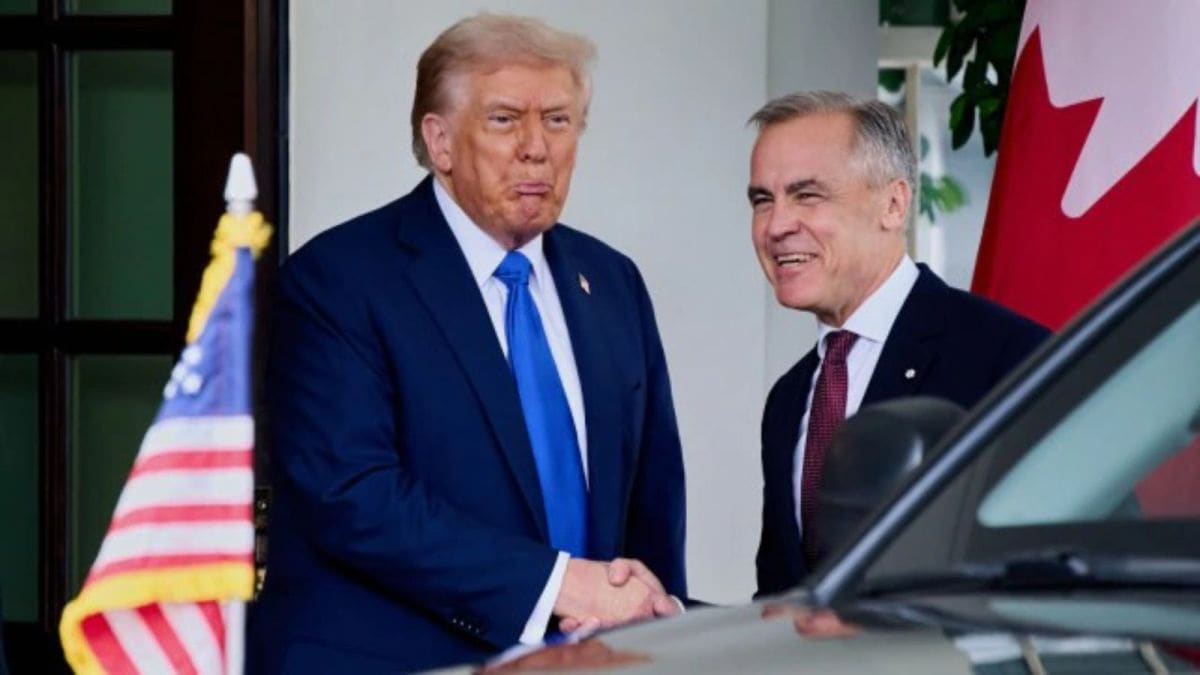
Within hours of the reported exchange, Canadian leaders moved to contain speculation and reinforce institutional norms.
In remarks delivered from Parliament, Carney underscored that:
-
Canada’s government answers to Canadian voters.
-
Economic policy is set according to domestic conditions.
-
Leadership decisions are not subject to foreign direction.
Observers noted rare cross-party unity in defense of institutional independence — a signal that sovereignty, rather than partisan alignment, became the focal point of the response.
International Implications
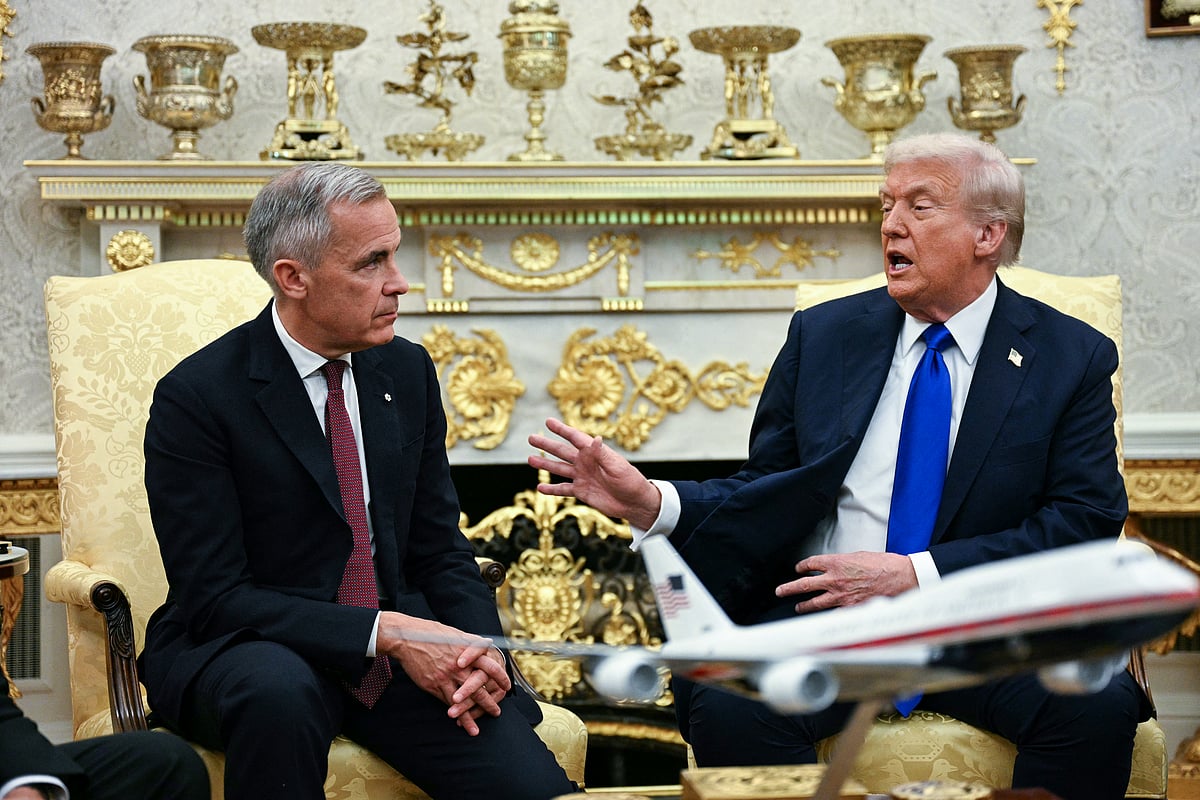
The episode quickly drew attention beyond North America.
Allied governments in Europe emphasized the importance of democratic sovereignty and non-interference among partners. Analysts described the moment as a stress test for alliance norms within the G7 and NATO frameworks.
While political disagreements between allies are not unusual, public or reported demands regarding leadership would represent a dramatic departure from post-war diplomatic convention.
That distinction explains the intensity of global reaction.
Markets and Strategic Stakes
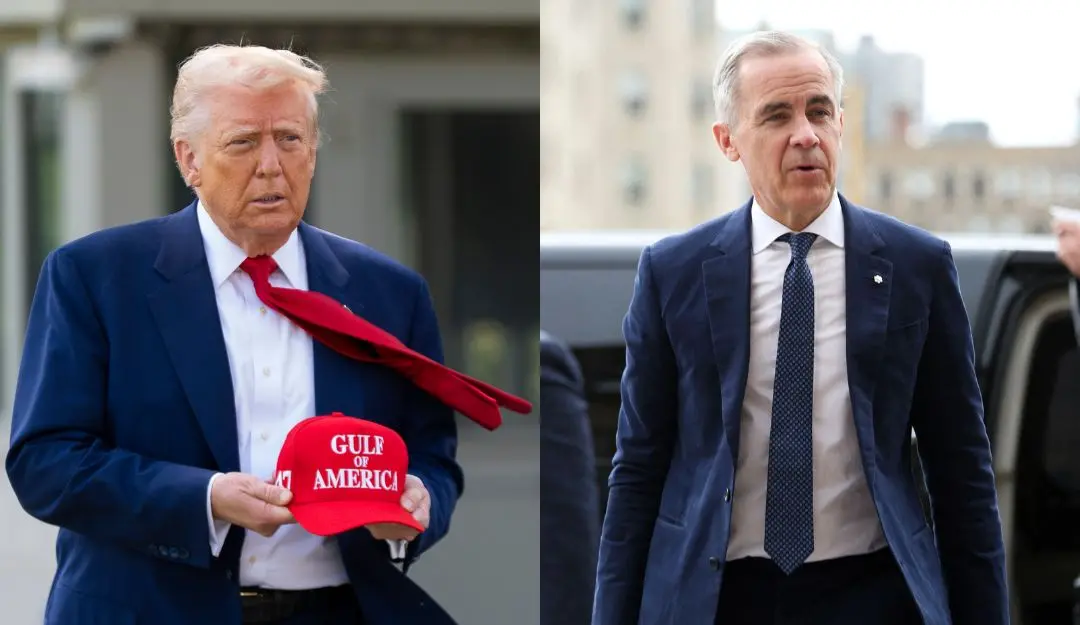
Financial markets tend to react swiftly to signals of instability between major trading partners. The United States and Canada share one of the world’s largest bilateral trade relationships, integrated supply chains, and deep defense cooperation.
Even the perception of coercive economic pressure can:
-
Influence currency markets
-
Disrupt investor confidence
-
Trigger retaliatory trade discussions
For policymakers, de-escalation is typically preferred — especially when both economies face broader global headwinds.
The Broader Question

At its core, this dispute highlights a sensitive boundary in modern geopolitics:
How do democratic allies navigate disagreements without crossing into perceived interference?
The United States and Canada have weathered trade wars, defense spending disputes, and diplomatic tensions before — from softwood lumber to steel tariffs. Yet their institutional ties have historically remained resilient.
Whether this moment becomes a brief flare-up or a deeper rupture will depend on tone, clarification, and quiet diplomacy in the days ahead.
A Defining Test for Alliance Norms
One principle remains widely accepted across advanced democracies: central banks operate independently, and leadership changes are determined domestically.
If that norm holds firm — as both Canadian officials and many international observers expect — the crisis may ultimately reinforce institutional guardrails rather than weaken them.
For now, Washington and Ottawa face a pivotal task: ensuring that political friction does not erode one of the world’s most stable strategic partnerships.