Trump’s 100% Tariff Threat Rattles Canada as Travelers and Trade Drift Toward China and Africa
By suhao
The latest escalation in U.S.-Canada trade tensions began with a social media post.
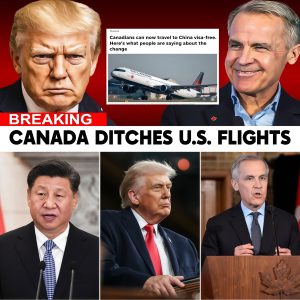
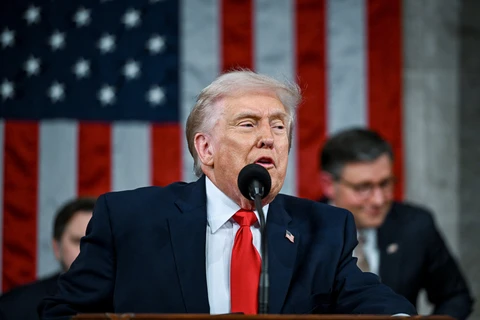
President Donald Trump threatened to impose a sweeping 100 percent tariff on Canada if Ottawa deepens its trade engagement with China, framing any such deal as a “back door” for Chinese exports into the United States. The warning, delivered amid a broader recalibration of American trade policy, has added new strain to one of the world’s most integrated economic relationships.
But beyond the headlines and political rhetoric, quieter signals are emerging — in airline schedules, visa policies and business travel patterns — suggesting that Canada may already be diversifying its global ties.
Airlines, often the earliest barometers of shifting consumer sentiment, are adjusting. Air Transat has suspended its final U.S. summer routes, including Montreal to Florida and Quebec City to Fort Lauderdale. WestJet has cut 15 city connections between Canada and the United States as part of a broader network revision. Such decisions are rarely symbolic. In an industry defined by razor-thin margins, aircraft are deployed where demand is strongest.
For decades, the United States functioned as Canada’s default destination. Snowbirds filled flights to Florida and Arizona. Business travelers moved seamlessly between Toronto and New York, Chicago and Los Angeles. Cross-border travel felt automatic, underwritten by proximity, shared culture and the economic framework of the United States-Mexico-Canada Agreement (USMCA).
Now, that assumption appears less certain.
At the same time that Canadian carriers are trimming U.S. routes, China has introduced a visa-free policy allowing Canadian citizens to stay for up to 30 days without the bureaucratic hurdles that once deterred spontaneous travel. Previously, Canadians traveling to Beijing or Shanghai faced paperwork, embassy appointments and fees exceeding $200. That barrier has been removed.
The contrast is striking. While Washington emphasizes protective tariffs and national security provisions, Beijing signals openness and reduced friction. Travel decisions are personal, but they are shaped by broader narratives of predictability and welcome. Airlines respond to booking data, not political talking points.
The shift comes against a turbulent legal backdrop in Washington. The Supreme Court recently invalidated several tariffs imposed under emergency powers, ruling that tariffs function as taxes and therefore fall under congressional authority. However, duties on steel, aluminum, lumber and automobiles remain intact under Section 232 of the Trade Expansion Act of 1962, which permits measures on national security grounds.
Undeterred, Mr. Trump pivoted to Section 122 of the Trade Act of 1974, invoking a rarely used provision that allows tariffs of up to 15 percent for 150 days to address serious balance-of-payments deficits. He raised the rate to the maximum 15 percent, citing a trade deficit exceeding $900 billion.
Legal scholars note that Section 122 has never been tested in this manner, making further litigation likely. Meanwhile, the administration has suggested it may initiate new investigations under Section 301 to craft a revised tariff regime.
The ripple effects extend well beyond Canada.
The United Kingdom negotiated relief from earlier tariffs, securing zero duties on steel and aluminum exports and a 10 percent rate for most other goods. China, after reciprocal tariffs soared above 100 percent on some products, agreed to a truce establishing a 10 percent baseline following talks between Mr. Trump and President Xi Jinping. Duties on electric vehicles, steel and aluminum remain in force.
Elsewhere, Malaysia and Cambodia reduced tariffs to 19 percent under negotiated deals. Indonesia and Vietnam secured rates of 19 percent and 20 percent respectively. India reached a framework agreement lowering tariffs on key exports in exchange for concessions on U.S. goods, though final negotiations have been delayed amid legal uncertainty. The European Union’s planned 15 percent arrangement with Washington awaits ratification.
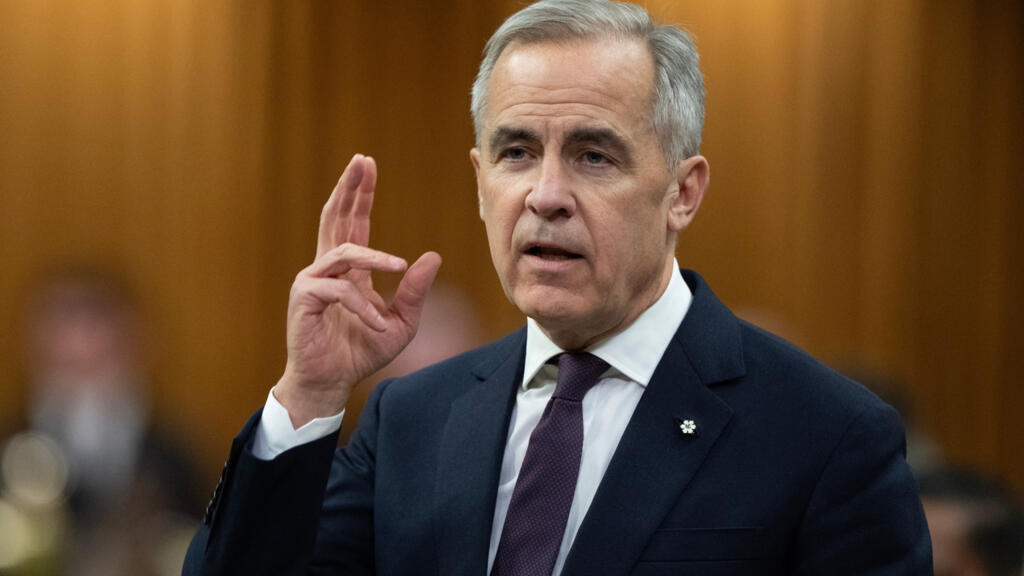
Against this backdrop, Canada is reassessing exposure. Although the United States remains by far its largest trading partner, the psychological shift may be as significant as the economic one. Trade disputes rarely remain confined to tariff schedules; they influence perception, and perception shapes consumer and corporate behavior.
A Canadian executive choosing where to host a meeting may now weigh regulatory volatility alongside logistics. A leisure traveler reading about tariff threats may subconsciously reconsider where they feel most welcome. Over time, incremental decisions accumulate into new patterns.
None of this signals a rupture. Cross-border supply chains in automotive manufacturing, agriculture and energy remain deeply intertwined. Approximately 85 percent of Mexican exports and a large share of Canadian goods continue to be shielded under USMCA provisions. Geography has not changed.
But diversification alters leverage. When alternatives expand — whether through visa-free travel to Asia or expanded routes to Africa and Europe — influence becomes contingent rather than assumed.
Five years from now, today’s canceled flight routes and temporary tariff measures may be remembered as early indicators of a broader recalibration. Political strategy aimed at strengthening domestic negotiating power can yield unintended consequences abroad, motivating partners to hedge risk and distribute reliance.
Influence in global trade rarely collapses overnight. It erodes gradually, through small adjustments that redefine what feels normal.
As Canadian travelers board flights bound for Beijing and emerging African hubs while fewer planes head south, the transformation remains subtle. Yet the balance of economic gravity, once taken for granted, is quietly evolving — and the world is watching how Washington responds.