As 2026 World Cup Nears, Politics Cast a Long Shadow Over a Global Celebration
The next World Cup is still months away, but the mood surrounding it has grown unexpectedly tense.
The 2026 tournament — to be staged across the United States, Canada and Mexico — was designed as a landmark event. With 48 teams competing for the first time, it will be the largest edition in the history of the 2026 FIFA World Cup. FIFA officials hailed it as a festival of inclusion, a symbol of continental cooperation and a commercial triumph in the making. More than 500 million ticket applications were reportedly submitted during early phases of sales, an unprecedented surge of global demand.
Yet instead of unqualified anticipation, the buildup has become entangled in political debate, visa uncertainty and broader questions about governance and access.

The tournament’s scale alone is historic. Eleven American cities, alongside Toronto and Vancouver in Canada and Guadalajara, Mexico City and Monterrey in Mexico, are preparing to host matches. Infrastructure projects are accelerating. Sponsorship agreements run into the billions. Broadcasters are positioning for record viewership.
But the celebratory narrative shifted earlier this year when a fatal immigration enforcement incident in Minneapolis — one of the American host cities — reverberated beyond local headlines. Video footage circulated widely online, prompting debate over federal enforcement practices and raising concerns among some prospective visitors about safety and welcome.
The incident did not trigger a collapse in demand. FIFA’s ticketing portal remains oversubscribed. But during a later lottery phase, thousands of applicants quietly withdrew. In absolute terms, the number represented a small fraction of total requests. Symbolically, it suggested hesitation.
The shift coincided with a broader tightening of visa procedures under an executive order signed by President Donald Trump. The order suspended visa processing from dozens of countries and imposed heightened scrutiny for others. For citizens of certain nations, entry bans were comprehensive; for others, processing timelines became less predictable and fees increased.
For international supporters, the change introduced uncertainty into what is often a carefully planned, once-in-a-lifetime journey. Attending a World Cup requires substantial financial commitment well before kickoff: securing match tickets, reserving flights and booking hotels at prices that tend to rise sharply as the event approaches. In some host cities, accommodation rates have already surged far above seasonal averages.
Without clarity on visa approvals, families face the prospect of losing thousands of dollars if applications stall or are denied. That ambiguity, travel analysts say, may prove more discouraging than outright refusal.
The debate has also unfolded across social media platforms, where promotional videos of gleaming stadiums appear alongside stories of delayed paperwork and canceled plans. For younger fans in particular, the juxtaposition is striking: a tournament marketed as the world’s most inclusive sporting celebration unfolding amid visible barriers to entry.
Human rights organizations, including Amnesty International and Human Rights Watch, have criticized the restrictions as inconsistent with the spirit of global sport. A loose online campaign urging a boycott has gained traction in parts of Africa, the Middle East and Europe. Though it remains difficult to quantify its impact, the conversation has expanded beyond activist circles into mainstream coverage.
Corporate sponsors are watching closely. Brands with longstanding ties to FIFA depend on the World Cup’s image as a unifying spectacle. Publicly, most have avoided direct comment on U.S. policy. Privately, marketing executives acknowledge that reputational risk factors into allocation decisions. Some have reportedly shifted promotional emphasis toward Canadian and Mexican host cities, perceived as administratively steadier.
Inside FIFA’s headquarters in Zurich, officials have insisted that football transcends politics. The organization retains contractual authority to reassign matches among host cities should circumstances demand. Such a move would be logistically complex and diplomatically sensitive, but it remains theoretically possible.
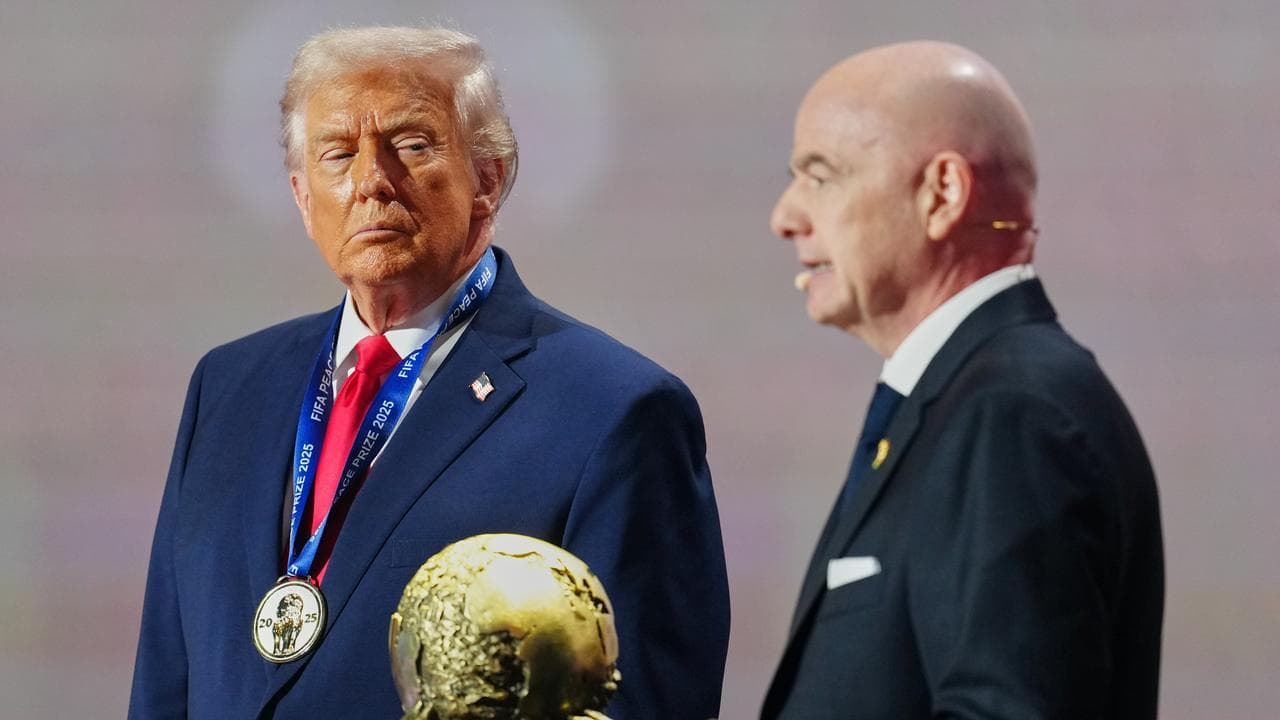
FIFA’s president, Gianni Infantino, has largely refrained from public commentary on visa matters, drawing scrutiny from critics who argue that silence risks undermining the governing body’s stated commitment to inclusivity. At the same time, FIFA leaders face the delicate task of maintaining working relationships with host governments while protecting the tournament’s global credibility.
Canada and Mexico have emphasized predictable entry procedures and hospitality in their public messaging. Both countries have prior experience managing large-scale international events; Mexico has hosted the men’s World Cup twice before. The contrast in tone has not gone unnoticed in online search trends, which show rising interest in matches scheduled outside the United States.
The economic stakes are considerable. Analysts estimate the tournament could generate tens of billions of dollars in economic activity across North America, supporting jobs in hospitality, transportation and retail. A meaningful decline in international attendance would reverberate through local economies, particularly in cities that have invested heavily in preparation.
Beyond revenue projections lies a subtler question of soft power. Global tournaments function as showcases of national identity and openness. Visa denials, viral footage and diplomatic disputes can reshape perceptions gradually, altering how a host nation is viewed long after the final whistle.
None of this guarantees a diminished event. The World Cup’s gravitational pull remains powerful. Teams will qualify, stadiums will fill and matches will command worldwide attention. Demand for the sport itself appears undiminished.
The unresolved issue is access. Whether policy adjustments emerge in the months ahead — through administrative flexibility, diplomatic negotiation or targeted exemptions — may determine how inclusive the 2026 tournament ultimately feels.
For decades, the World Cup has promised a shared experience across borders. In 2026, that promise will be tested not by athletic competition alone, but by the systems that govern who gets to witness it.