Canada’s Fighter Jet Decision Becomes a Test of Sovereignty
OTTAWA — For nearly 70 years, Canada and the United States have shared a unique military arrangement. Through the North American Aerospace Defense Command, or NORAD, the two countries jointly monitor and defend the skies over North America, operating what is widely described as the only binational command structure of its kind in the world. The system has endured changes in government, shifting global threats and periodic trade disputes.
Now, it finds itself entangled in a debate that goes far beyond aircraft specifications.
At the center of the controversy is Canada’s long-planned purchase of 88 F-35 fighter jets from Lockheed Martin, a contract valued at 27.7 billion Canadian dollars. The first 16 aircraft are scheduled for delivery beginning in 2026. But as trade tensions intensified during President Donald Trump’s current term, Ottawa began reassessing not only the financial terms of the deal but its broader implications for sovereignty and industrial policy.
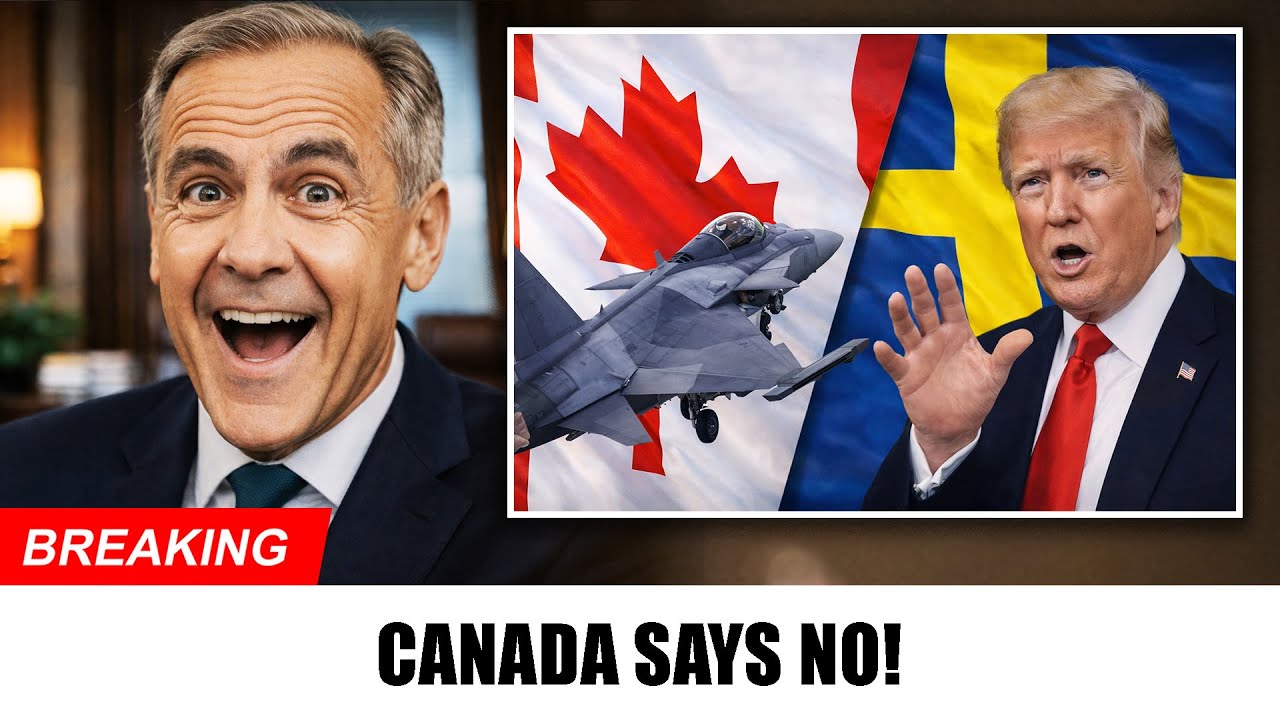
The reconsideration gained momentum after Sweden’s defense manufacturer Saab proposed an alternative: 72 Gripen E fighter jets, accompanied by six GlobalEye airborne early warning aircraft, and a pledge to create 12,600 jobs in Canada. Saab’s proposal included establishing assembly lines in Ontario and Quebec and integrating technology from Bombardier, positioning Canada not merely as a buyer but as a production hub.
The competing visions reflect two distinct models of defense procurement. The F-35, widely regarded as the world’s most advanced fifth-generation fighter, offers stealth capabilities, sophisticated sensor fusion and deep integration within U.S.-led military networks. Its software architecture, however, remains tightly controlled by the United States. Upgrades and modifications require American approval, and access to core source code is restricted.
The Gripen E, by contrast, is a 4.5-generation aircraft with lower operating costs and a design philosophy centered on flexibility and national control. Saab has previously granted Brazil partial access to source code and signaled that similar arrangements could be negotiated with Canada. Analysts say that such access would allow Ottawa greater autonomy in adapting weapons systems and software over time.
Cost and readiness have further sharpened the debate. According to public estimates, the F-35 costs between $35,000 and $47,000 per flight hour, while the Gripen’s operating costs are roughly $8,000 per hour. Reports from the U.S. Government Accountability Office have placed F-35 readiness rates between 30 and 50 percent in recent years, though improvements are underway. Gripen operators report readiness levels as high as 80 to 90 percent.
Yet performance metrics tell only part of the story. In earlier Canadian evaluations, the F-35 significantly outscored the Gripen, particularly in scenarios involving penetration of advanced air defenses. Former senior Canadian commanders, including Yvon Blondin and Tom Lawson, have publicly argued that in a high-intensity conflict against peer adversaries such as Russia or China, the F-35 would offer decisive advantages.
The political context has complicated the calculus. After President Trump publicly raised the prospect of Canada becoming a 51st state — comments widely interpreted as rhetorical but provocative — public opinion shifted sharply. A December 2025 poll found that 72 percent of Canadians favored the Gripen over the F-35. For many voters, the issue ceased to be purely technical and became a referendum on national independence.
Industry Minister Mélanie Joly has signaled that Ottawa expects greater economic returns if it proceeds with the remaining F-35 purchases, estimated at 15.5 billion Canadian dollars. Negotiations are ongoing, with Canadian officials pressing for expanded industrial commitments.
The United States has not remained silent. American officials have warned that a significant reduction in Canada’s F-35 order could require adjustments within NORAD, potentially increasing U.S. air operations in Canadian airspace to offset capability gaps. Such statements underscore the interdependence built into the alliance.
There are also practical constraints. Canada has already committed to the first 16 F-35 aircraft, scheduled for initial delivery to Luke Air Force Base in Arizona before eventual transfer to Canada. Introducing the Gripen for the remaining fleet would mean operating two distinct fighter platforms simultaneously, with separate training pipelines, supply chains and maintenance systems — a complexity that military planners caution could increase long-term costs.
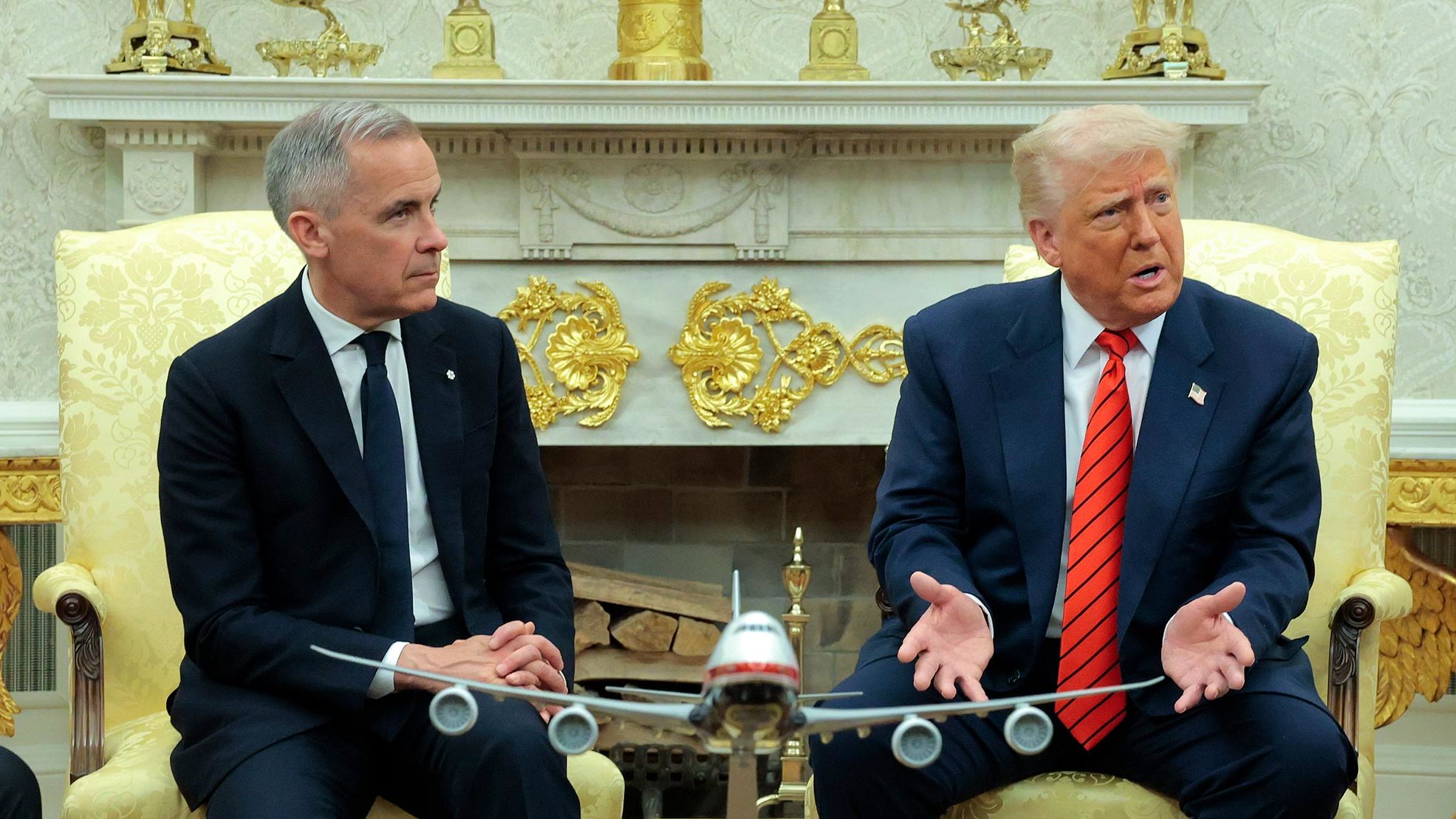
Prime Minister Mark Carney’s minority government faces a delicate balancing act. Aligning fully with Washington would preserve seamless interoperability within NORAD and NATO, reinforcing Canada’s traditional security partnerships. Pivoting toward the Gripen would signal a more assertive industrial strategy and a willingness to redefine the parameters of that partnership.
The decision, expected in 2026, will shape not only the future of the Royal Canadian Air Force but also Canada’s position in a shifting geopolitical landscape. As alliances evolve and economic nationalism gains ground, Ottawa’s choice may serve as a case study for other middle powers navigating the space between security dependence and technological sovereignty.
In the end, Canada’s fighter jet debate is less about machinery than about identity — about how a country defines its autonomy while remaining embedded in alliances that have long underpinned its security.