A Diplomatic Outburst, and the Moment Canada Quietly Changed Course
It began as one of those carefully managed rituals of North American diplomacy: a high-profile Canada–United States business gathering designed to signal continuity, reassurance and mutual dependence. Executives mingled. Talking points were prepared. The premise was stability.
Instead, the room reportedly went silent.
According to multiple attendees, the United States ambassador to Canada, Pete Hoekstra, launched into a profanity-laced outburst directed at Ontario trade officials, prompted by a provincial advertising campaign that had been airing on American television. The ad itself was unremarkable by political standards—it quoted Ronald Reagan’s 1987 warning that tariffs punish workers and inflate costs—but the reaction to it was anything but.
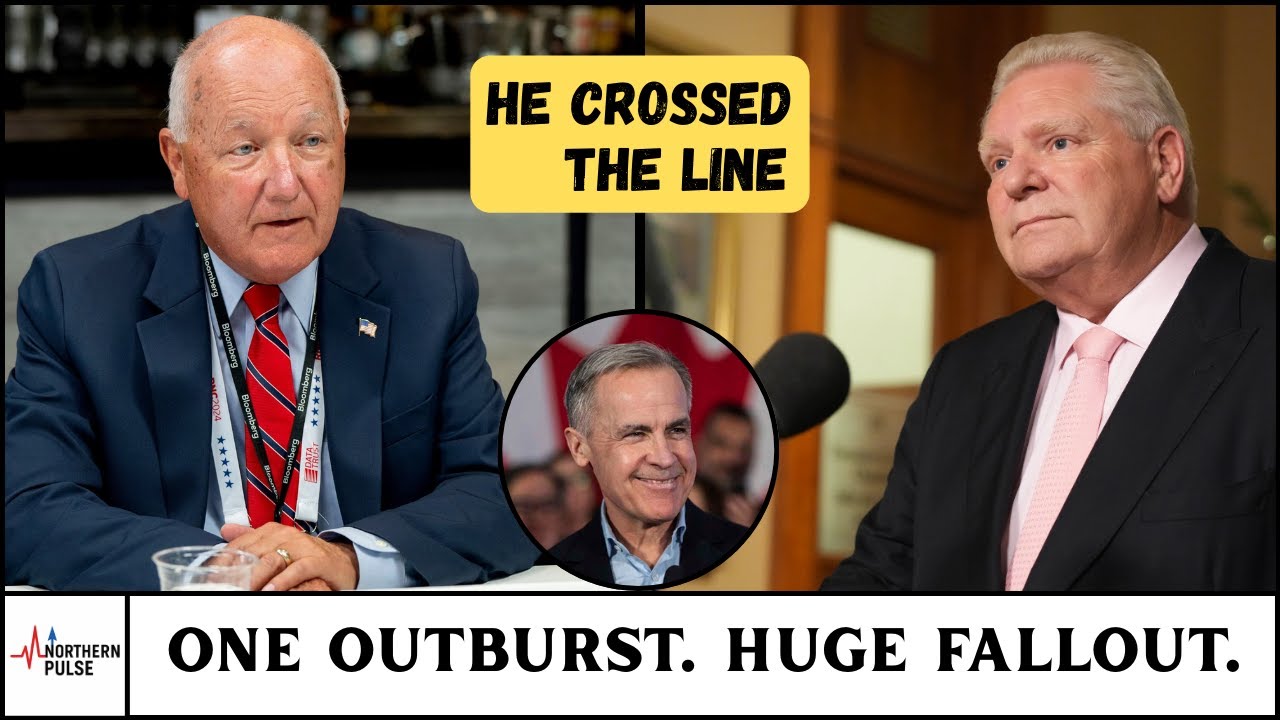
The incident, brief but public, unsettled those present not only because of its language, but because of its venue. Diplomacy is built on restraint, particularly in front of ministers, foreign diplomats and corporate leaders with billions of dollars at stake. What occurred was not a disagreement behind closed doors, but a visible breakdown of tone at a moment meant to project calm.
Within hours, word of the confrontation spread through Ottawa. Senior officials understood that something had shifted—not necessarily because of the ambassador’s remarks alone, but because they crystallized a pattern that had been developing for years. Volatility, once treated as episodic, now appeared structural.

The Ontario advertisement was never the true catalyst. Rather, it functioned as a pressure point in an already strained relationship shaped by tariff threats, suspended negotiations and unpredictable messaging from Washington. By invoking Reagan, the ad sidestepped partisan critique and instead questioned the policy logic of protectionism itself. That, according to people familiar with the matter, was what made it provocative.
Shortly afterward, trade discussions were reportedly paused. Public comments from President Trump suggested further tariffs—potentially an additional 10 percent—could be imposed on Canadian goods, including steel, aluminum and automobiles. For Canada, the timing was acute. Supply chains were already under strain, and U.S. manufacturing regions were absorbing job losses linked to earlier trade actions.
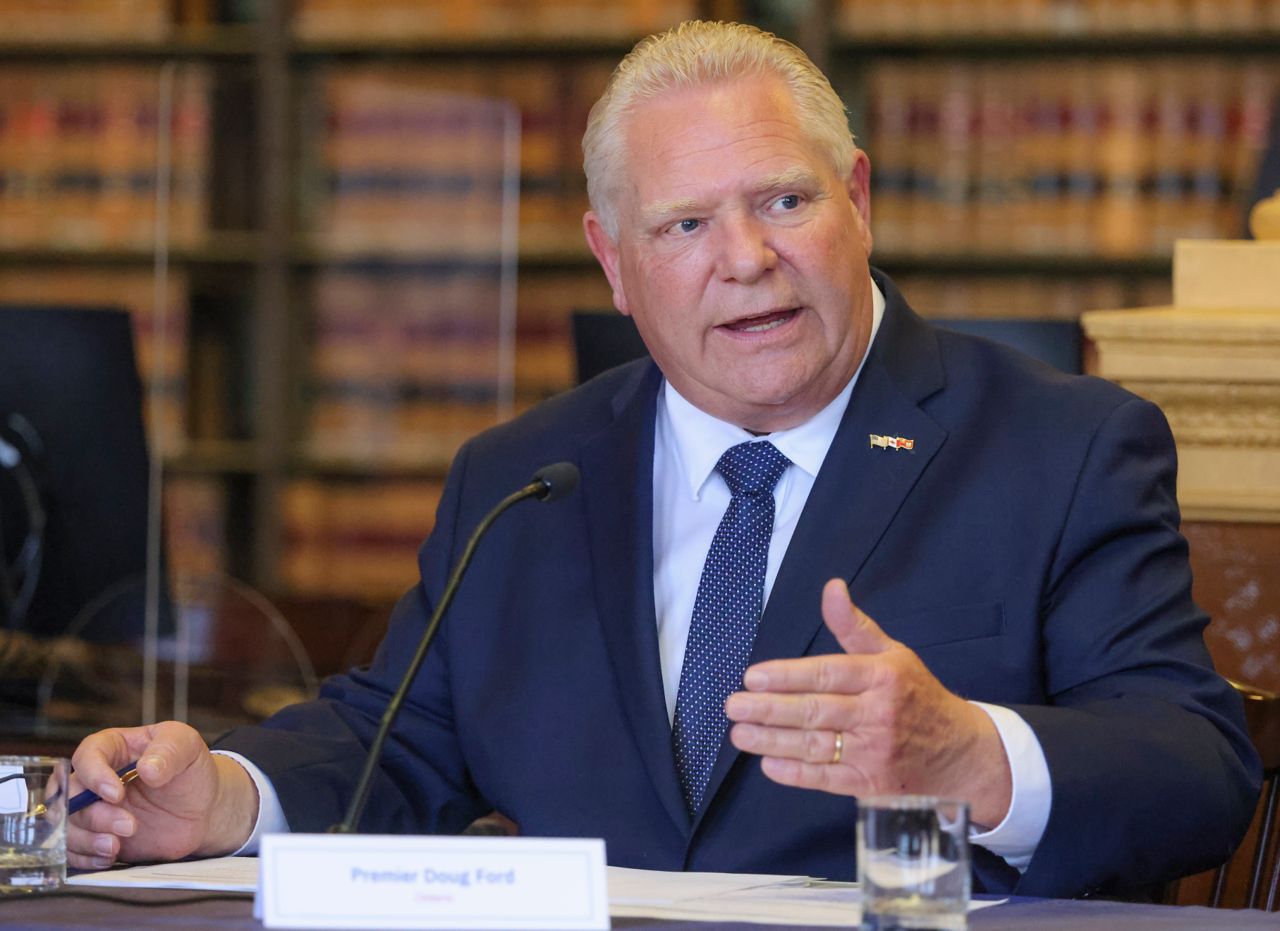
Ontario Premier Doug Ford responded unusually bluntly, calling the ambassador’s behavior “absolutely unacceptable” and demanding an apology. The statement stood out not for its rhetoric, but for its clarity. For years, Canadian leaders had absorbed sharp language in the interest of preserving cooperation. Ford’s message suggested that threshold had been crossed.
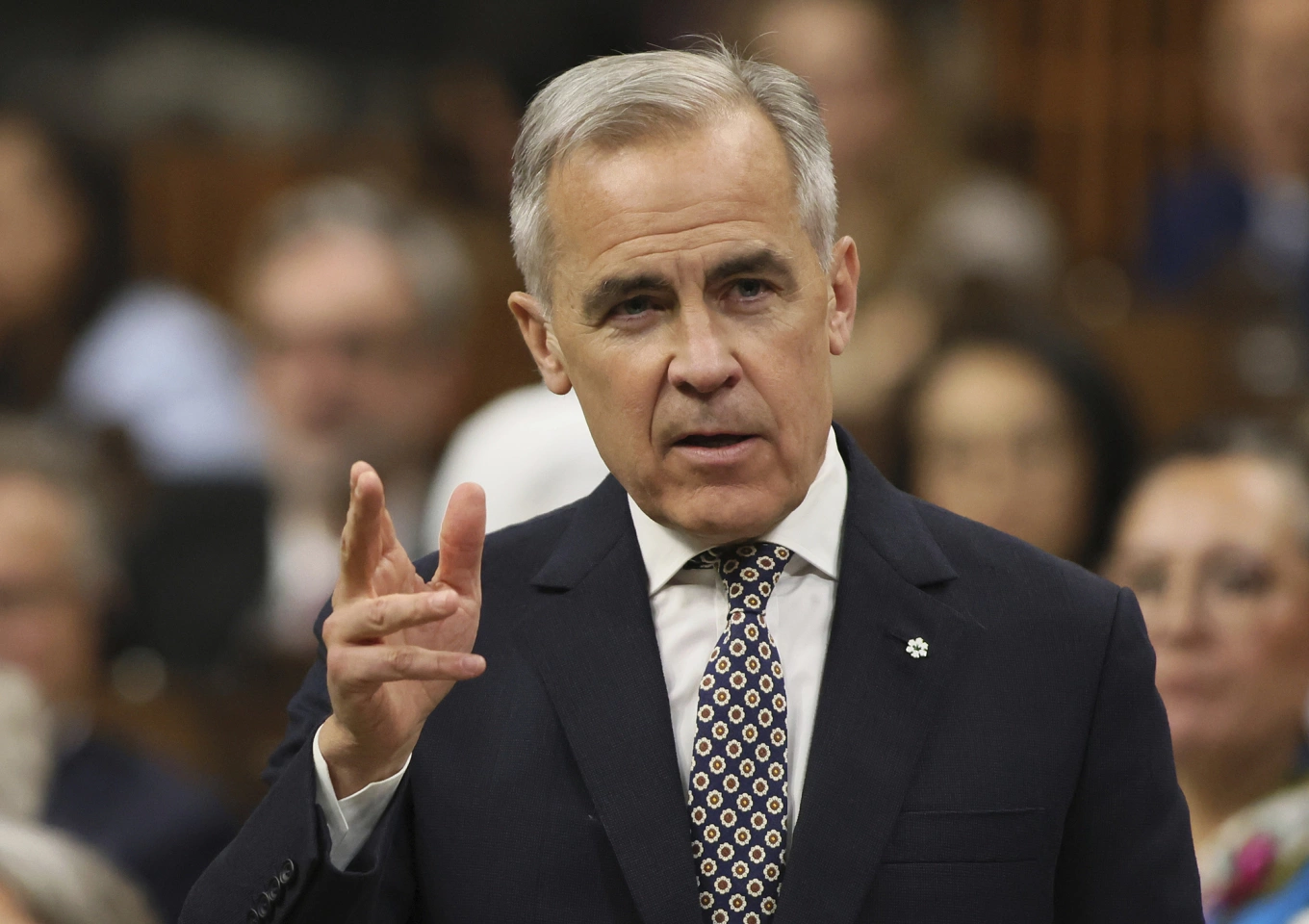
At the federal level, the response was quieter—and more consequential. Mark Carney, who had recently assumed a central leadership role, avoided public escalation. Instead, according to officials briefed on the strategy, he focused on stabilizing the immediate diplomatic optics while accelerating longer-term plans that had until then moved cautiously.
Those plans centered on diversification. Trade discussions with Japan and South Korea advanced. Engagement across Southeast Asia deepened. European defense and industrial partnerships were revisited with new urgency. At home, vulnerabilities long acknowledged but rarely prioritized—domestic steel capacity, critical minerals processing, port infrastructure on both coasts—were reframed as national security concerns rather than economic options.
Even defense symbolism shifted. During a visit to a major shipyard, Carney toured Canada’s next-generation submarine program, part of a broader modernization effort exceeding $20 billion. The message, analysts noted, was subtle but deliberate: Canada was no longer organizing its future around assumptions of automatic alignment.
None of this amounted to a rupture. Canadian officials were careful to stress that the United States remained the country’s closest partner. But the structure of the relationship was changing. Dependence was giving way to balance.
What made this episode different from previous flare-ups was speed. Decisions that typically unfolded over years compressed into months. Projects once considered incremental were elevated to priorities. Allies noticed. Markets adjusted. Even Washington, eventually, took note.
The ambassador later sought to downplay the incident, suggesting the reaction had been exaggerated. That framing missed the larger point. The Canadian response was not about wounded pride, but about risk management. Diplomacy cannot function when unpredictability becomes routine.
History often remembers the noise—the raised voices, the headlines, the viral moments. But its lasting turns occur afterward, in the quieter recalibrations. In this case, the shouting mattered less than what followed: a country deciding it could no longer afford to wait for stability to return on its own.