Canada’s Fighter Jet Debate Becomes a Test of Sovereignty—and the Limits of Alliance Politics
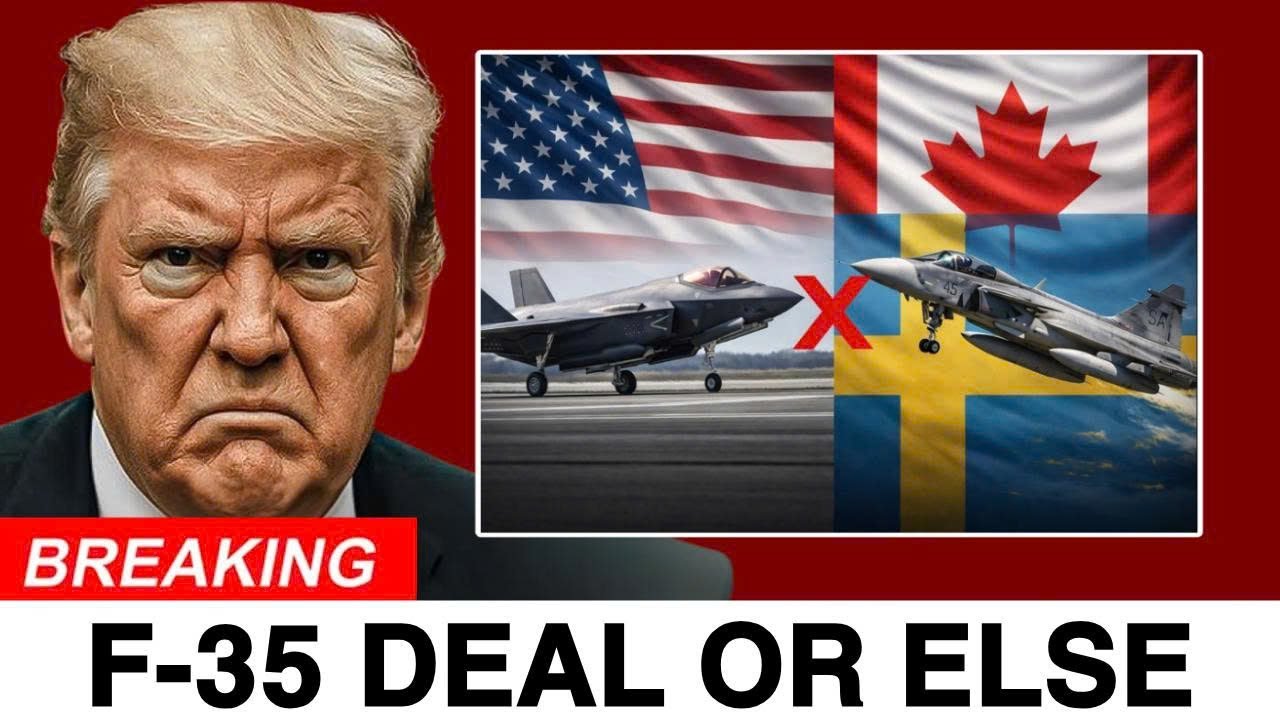
At first glance, Canada’s debate over whether to pause its planned purchase of F-35 fighter jets appeared to be a familiar procurement dispute, the kind that surfaces periodically in democracies balancing defense needs against costs and industrial policy. But in recent days, the issue has taken on a sharper edge, evolving into a broader question about sovereignty, alliance politics, and the boundaries of acceptable pressure between close partners.
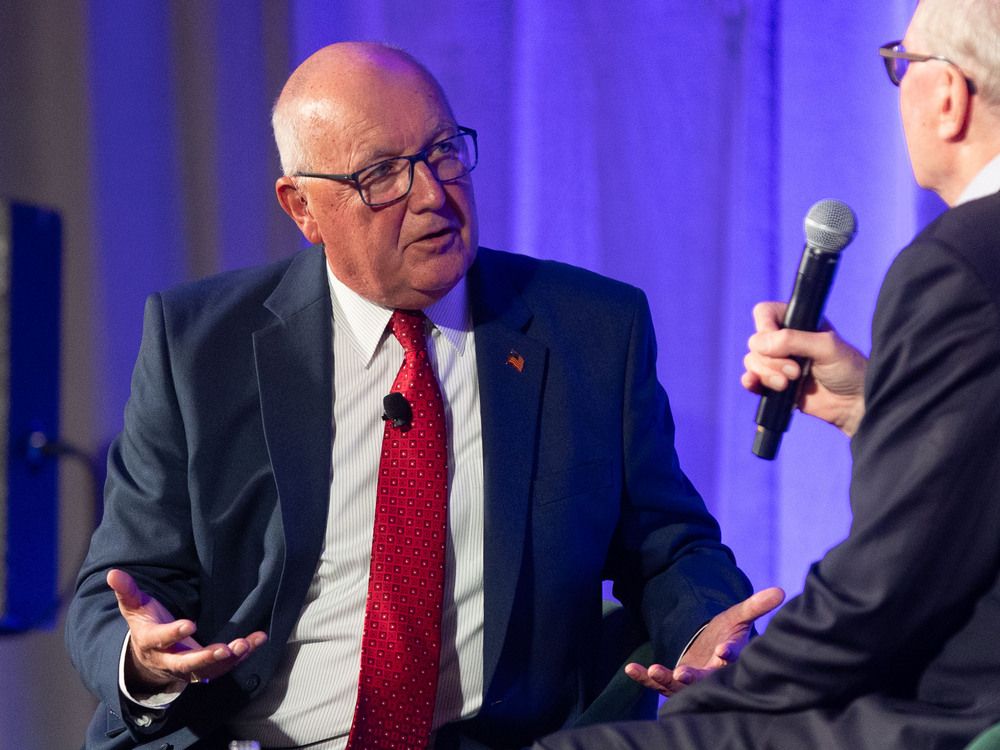
The immediate spark came after comments by the United States ambassador to Canada, Pete Hoekstra, at the Munich Security Conference. In remarks that were widely circulated in Ottawa and beyond, the ambassador suggested that Canada’s future trade relationship with the United States could be affected if it abandoned the F-35 program. While American officials later sought to soften the message, the implication was unmistakable to many Canadian observers: a defense decision had been linked, explicitly or implicitly, to economic consequences.
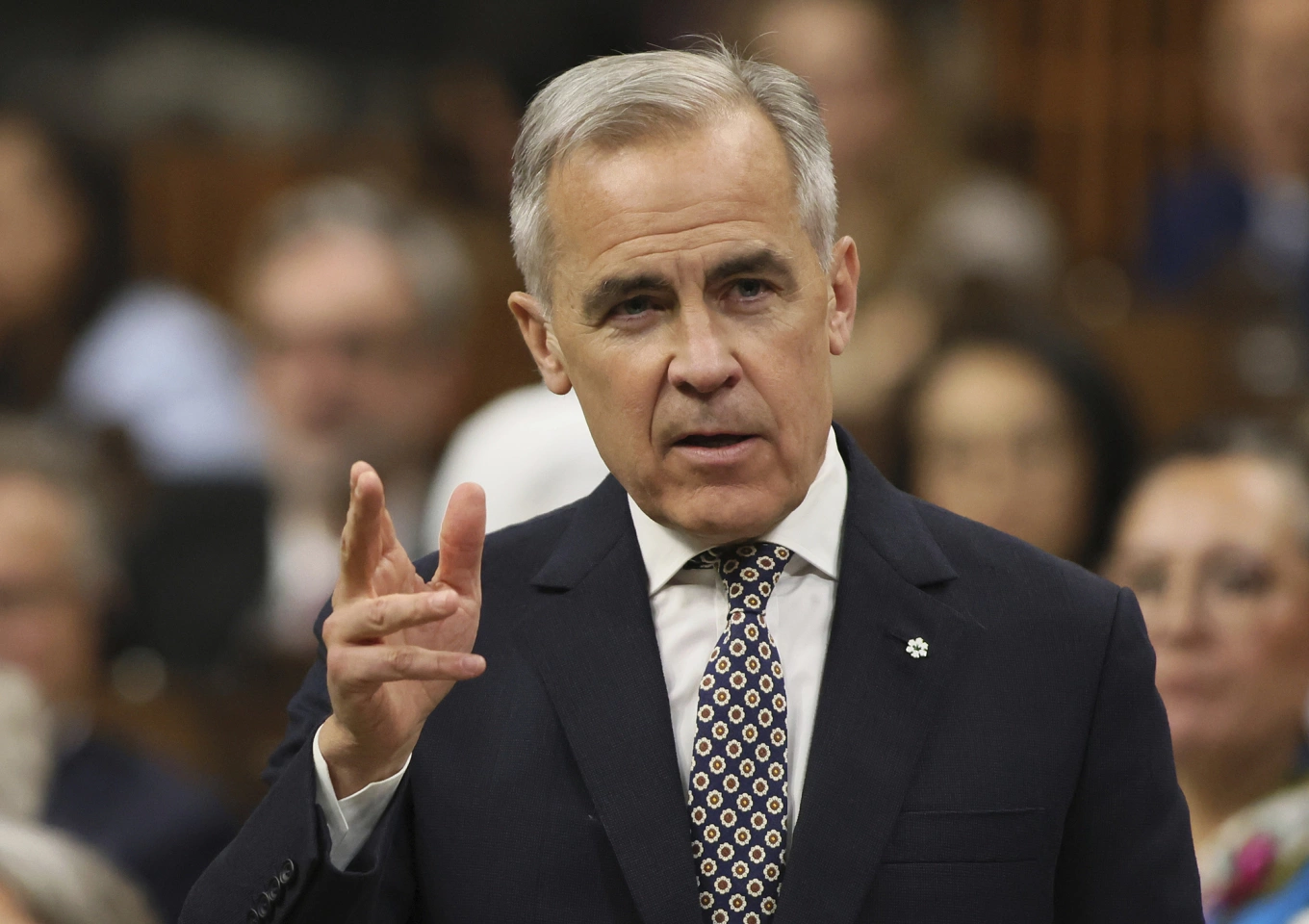
For Prime Minister Mark Carney, who has signaled a willingness to review the existing F-35 commitment, the moment presents a political and strategic dilemma. Canada has already ordered an initial tranche of aircraft, but the broader acquisition—intended to replace the Royal Canadian Air Force’s aging CF-18 fleet—represents one of the largest military expenditures in the country’s history. Revisiting the decision is not unprecedented. Previous governments, including Conservative and Liberal ones, have alternated between enthusiasm and skepticism toward the program.
What makes the current debate different is not only the price tag, but the growing concern about control. The F-35 is a highly networked system, dependent on U.S.-controlled software, logistics platforms, and upgrade approvals. Canadian defense analysts note that while interoperability with American forces is a strength, it also creates dependencies that can limit operational autonomy. In practical terms, Canada cannot independently modify or sustain the aircraft without U.S. authorization.
That concern has gained traction as an alternative has emerged. Sweden’s Saab has proposed its Gripen E fighter, paired with a pledge to establish manufacturing, maintenance, and technology-transfer facilities inside Canada. The offer appeals to policymakers who see defense spending not only as a security necessity but also as an industrial strategy—one that could anchor aerospace jobs and expertise at home.

The contrast between the two approaches has sharpened political reactions. Supporters of the F-35 emphasize alliance cohesion and argue that diverging from the aircraft used by the United States and other NATO allies could complicate joint operations. Critics counter that interoperability does not require technological dependence, noting that NATO has long accommodated multiple aircraft types.
The ambassador’s remarks intensified these arguments rather than settling them. Several Canadian lawmakers described the comments as coercive, while former military officials warned that linking trade to weapons procurement risked undermining public trust in the alliance itself. Even some long-time advocates of the F-35 have cautioned that pressure tactics could backfire, strengthening calls for diversification away from U.S.-centric systems.
Behind the scenes, diplomats on both sides have moved to contain the fallout. Canadian officials insist that no final decision has been made and that consultations with Washington remain ongoing. American officials, for their part, stress the depth of the bilateral relationship and deny that any formal ultimatum was issued. Yet the damage, many analysts say, may already be done.
The episode taps into a deeper unease in Canada about the reliability of long-term assumptions. Over the past decade, shifting U.S. trade policies, tariff disputes, and rhetoric about annexation—even when not formal policy—have left Canadian leaders wary of tying critical national capabilities too tightly to political moods south of the border. Defense procurement, once a technocratic exercise, has become a proxy for those anxieties.
In that sense, the fighter jet debate is less about airframes than about agency. Can a middle power maintain strategic independence while remaining deeply integrated with a superpower ally? Where is the line between coordination and compulsion? These are questions Canada has faced before, but rarely so starkly.
Whatever decision Ottawa ultimately makes, the controversy has already reshaped the conversation. It has exposed the fragility of assumptions about alliance behavior and reminded policymakers that sovereignty is not an abstract principle but a series of practical choices—sometimes uncomfortable ones—made under pressure.