When Trade Threats Become Economic Signals
What initially appeared to be another episode of familiar trade brinkmanship between Washington and Ottawa has begun to reveal something more consequential: a quiet test of how power functions in an era of deep economic interdependence.
In recent weeks, remarks from U.S. officials suggesting a willingness to reopen—or even allow the United States–Mexico–Canada Agreement (USMCA) to lapse at its next review were widely interpreted as a negotiating tactic. Such statements, framed as leverage in a relationship Washington views as asymmetrical, were meant to remind Canada of its reliance on access to the American market.
But the response from Canada has challenged a long-standing assumption underlying that strategy.
Rather than signaling alarm or seeking reassurance, Canadian policymakers treated the warnings as confirmation of a risk they had been preparing for quietly over several years: that the United States, once considered a predictable anchor of regional trade, is increasingly willing to use uncertainty itself as a bargaining tool.
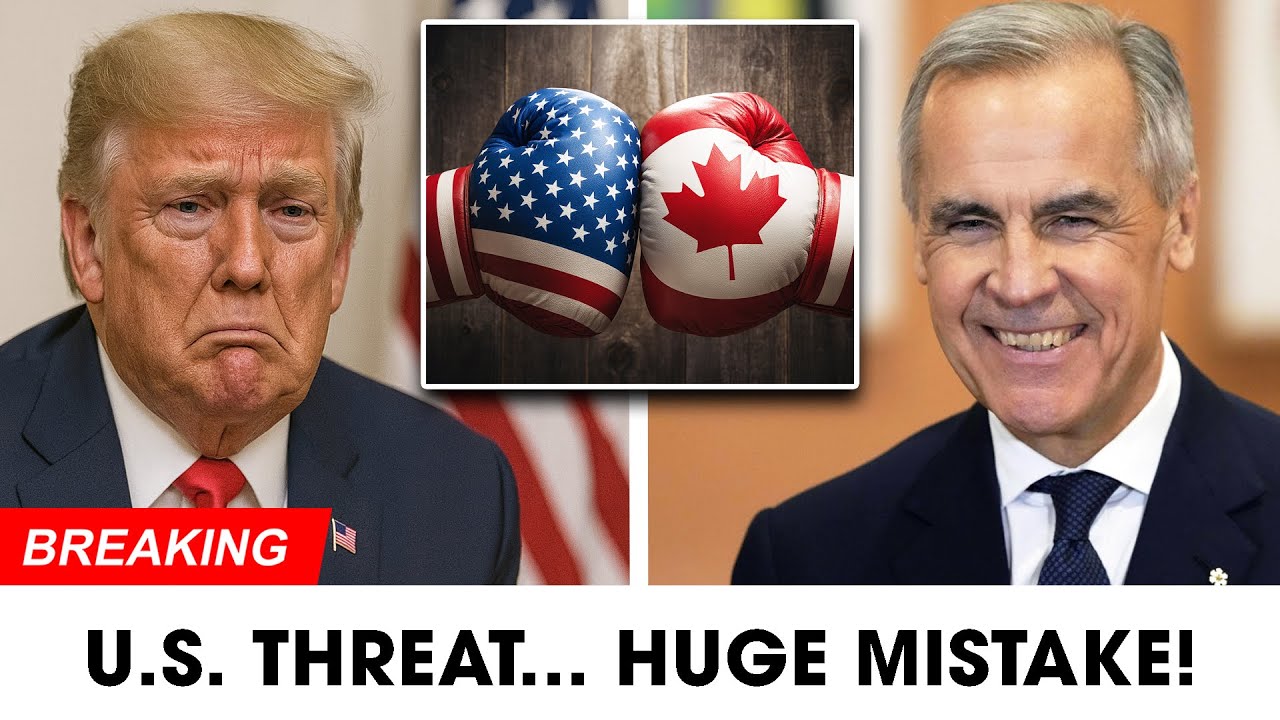
Trade agreements like the USMCA are often discussed in abstract terms, but their real significance lies in the predictability they provide. They shape where factories are built, how supply chains are organized, and whether companies feel confident enough to invest for decades rather than quarters. Even the suggestion that such frameworks could be abruptly rewritten can ripple through the economy long before any formal action is taken.
In Washington, the logic seemed straightforward. The United States is the dominant economy in North America, and Canada sends roughly three-quarters of its exports south. By that measure, the threat of restricted access should have compelled concessions.
Instead, it accelerated a reassessment.
Canadian officials and business leaders increasingly began to view dependence on a single market as a structural vulnerability rather than a convenience. Long-standing efforts to diversify trade—often discussed but rarely urgent—suddenly became strategic imperatives. Energy exports were redirected toward Europe and Asia. Manufacturers expanded supply chains that bypassed U.S. intermediaries. Investment promotion shifted toward positioning Canada not merely as a gateway to the American market, but as a stable base within an increasingly volatile global system.
This recalibration has had effects beyond Canada’s borders. International investors, sensitive to political risk, began to notice a contrast. While U.S. policy appeared subject to sharp swings across election cycles, Canada offered continuity: a stable legal framework, an expanding network of trade agreements, and a government signaling that rules would not be treated as negotiating chips.
Capital, after all, does not wait for certainty—it seeks it.

The irony is that the uncertainty intended to pressure Canada has increasingly rebounded onto the United States itself. American manufacturers dependent on integrated North American supply chains have been forced to plan for scenarios once considered implausible: tariffs returning, rules of origin changing, or border frictions re-emerging. For businesses built on scale and efficiency, such ambiguity is costly.
Investment decisions have slowed. Hiring has paused. Some firms have begun exploring production outside the region altogether, not because costs are lower, but because predictability is higher.
The broader lesson is not about winners and losers in a single trade dispute. It is about how power functions when economies are deeply intertwined. In such systems, dominance does not guarantee control. Leverage, when overused, teaches counterparts how to reduce their exposure.
Canada’s response has been less about defiance than about adaptation. By diversifying markets and strengthening domestic capacity, it has reduced its vulnerability to policy shifts beyond its control. In doing so, it has also altered how global firms perceive North America—not as a single, unified production space anchored by the United States, but as a region where stability is unevenly distributed.
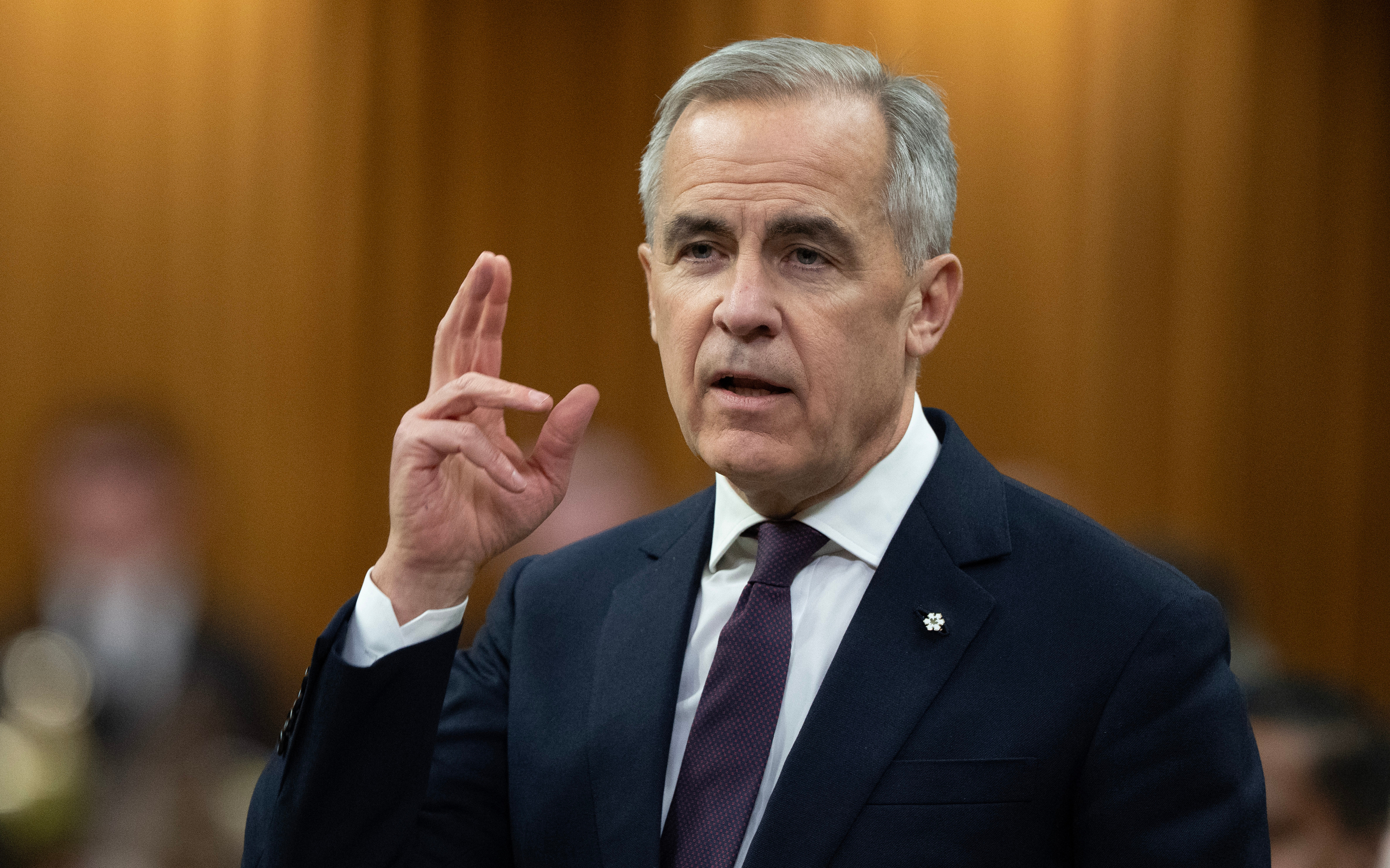
For the United States, the episode offers a cautionary signal. Economic leadership rests not only on size or market access, but on credibility. When foundational agreements appear subject to sudden revision, partners adjust accordingly. Over time, those adjustments can erode the very leverage such threats were meant to preserve.
What is unfolding is subtle, incremental, and easy to overlook amid louder political rhetoric. But its implications are enduring. In a global economy shaped by mobility of capital and complexity of supply chains, stability has become a form of power in its own right.
And once questioned, it is not easily restored.